Watch Rose Color Dance (1965) Online Free
A document of Tatsumi Hijikata's Butoh dance with Kazuo Ohno as the guest dancer shot in Hijikata's early period when he was emerging as the originator of Butoh. All of the male dancers are dressed up with evening suits and move gracefully, yet an intruder breaks up the whole scene abruptly. The film is worth seeing, even if just to see a memorable gay duet of Hijikata and Ohno. Overexposed, washed out images are sandwiched among normal ones.
Cast
Tatsumi Hijikata, Kazuo Ohno
More Like This
Gloss Finish
2025

Architecture of Hope- For the Ruins of the Present
2024

United in Grief
Suffering debilitating grief from the passing of his best friend who introduced him to the world of dance, Derrick must confront a monster that seeks to separate him from everything he loves.
2023
Dans les bals populaires
2022
Two Monkeys
An independent documentary focusing on the Blue Monkey and New Monkey nightclubs in Sunderland. The dawn of the rave scene in the late 80s and early 90s changed the face of music forever and left a legacy that still continues to this day. Hear the stories of those who lived through it and were involved in the North East scene at the beggining. From raid to ruins, we shed light on the rise and fall of the Blue Monkey and New Monkey nightclubs investigating the music and the controversy that came with the all night rave clubs.
2019
Bobbi Jene
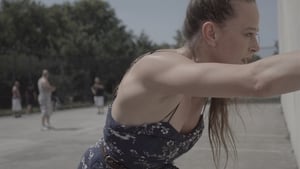
A love story, portraying the dilemmas and inevitable consequences of ambition. It is a film about a woman's fight for independence, a woman trying to succeed with her own art in the extremely competitive world of dance.
2017
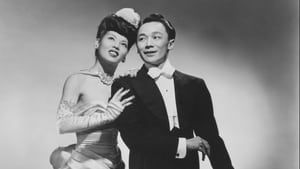
Dancing Through Life: The Dorothy Toy Story
Swinging and twirling Dorothy Toy Fong the legendary tap dancer is still exciting at 99 years old. Award-winning reporter Rick Quan traces Fong’s journey as a famous duo with Paul Wing and exciting run with her Oriental Showgirl group. Fong’s wondrous spirit dances off the screen and into your heart.
2017
Raised by Krump
“Raised by Krump” explores the LA-born dance movement “krumping,” and how the dance has helped the lives of some of the area’s most influential dancers.
2016
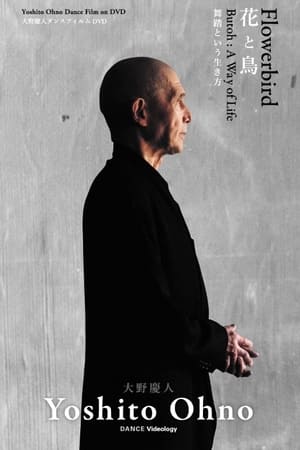
Flowerbird Butoh: A Way of Life
Comprising historic archive footage and texts this DVD box enlightens us greatly about Yoshito Ohno's here and now. Butoh has a distinct starting point, namely, in 1959, with Kinjiki , a duet featuring Tatsumi Hijikata and Yoshito Ohno. His father, the legendary Kazuo Ohno created another epoch-making opus in 1977 Admiring La Argentina, with Yoshito Ohno as production manager. These links are no mere coincidence. To date, we've tended to overlook Yoshito Ohno, barely granting him the recognition he merits. Just as dance requires a lengthy gestation period in which to evolve, his dance has finally come into our field of vision, in all its freshness and stark-nakedness, linking Butoh's origins to its zenith, to a point where he now stands at a crossroads.
2015
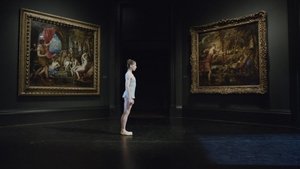
National Gallery
A portrait of the day-to-day operations of the National Gallery of London, that reveals the role of the employees and the experiences of the Gallery's visitors. The film portrays the role of the curators and conservators; the education, scientific, and conservation departments; and the audience of all kinds of people who come to experience it.
2014

Living Stars
In this documentary, Argentinians dance to their favourite hits.
2014
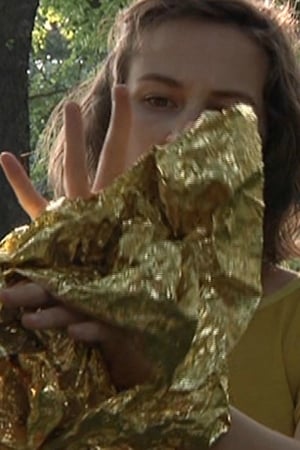
Bubble
Bubble is a short film performed by Zeena Parkins and the Plastic Girls, Eleanor Hullihan and Erin Cornell in a public park in Brooklyn, NY.
2009
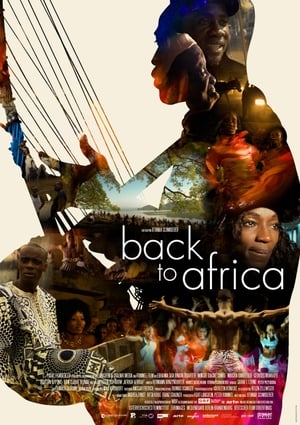
Back To Africa
An Austrian director followed five successful African music and dance artists with his camera and followed their lives for a year. The artists, from villages in Ghana, Gambia and Congo, were the subjects of Africa! Africa! touring across Europe, but they have unbreakable roots to their homeland and their families. Schmiderer lovingly portrays his heroes, who tell their stories about themselves, their art and what it means to them to be African with captivating honesty. The interviews are interwoven with dance scenes and colourful vignettes set to authentic music.
2008
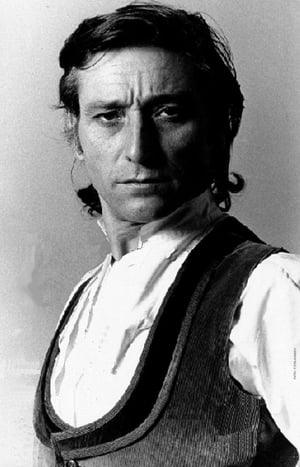
Antonio Gades, la ética de la danza
Documentary that reconstructs the professional life of the dancer through the thread of his own voice. A work that travels to the fundamental landscapes of the personal history of Gades with unpublished documents and the testimony of those who shared with him many pages of the book of his life and the history of Spanish dance in recent decades.
2007
Pravahi
Pravahi is a film that documents and cinematically interperts the dance of Alarmel Valli, one of India’s foremost Bharatanatyam dancer.
2004
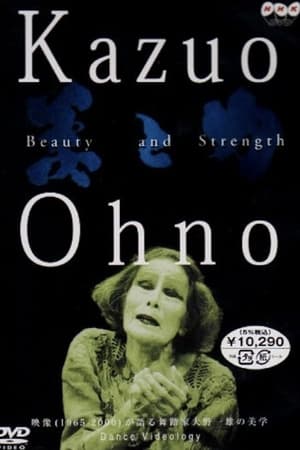
Kazuo Ohno: Beauty and Strength
In the 60's and into the 70's, Kazuo Ohno himself produced three 16mm films. His many performances at the "Teatro Fonte" in Yokohama have been preserved with high quality Beta cameras. In addition, the television station NHK has made recordings of many of his theater performances since the premiere of "The Dead Sea" in 1985. Together, the Kazuo Ohno Dance Studio and NHK own over one hundred hours of footage. This is complemented by a 1994 film by Daniel Schmid and new 16mm footage of Kazuo Ohno filmed especially for this project in October of 2000. From these resources, this 111 minute Video/DVD was assembled. "Beauty and Strength" includes dance performances, film excerpts and interviews, examples of Ohno's drawings and writings, as well as biographical information, creating a comprehensive look into the world of Kazuo Ohno's dance.
2001

Scale Model
MAQUETTE is an excursion into the world of dance and other cultural activities in Toulon: “There is a film that I didn’t complete. I shot it in Châteauvallon with a dance group called Artefact. A rough cut of it exists entitled MAQUETTE, but that’s all I did with it.”
1990
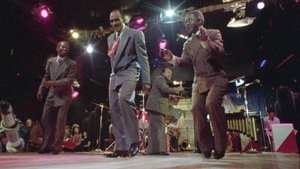
No Maps on My Taps
The remarkable spirit of tap dancers and their history provides a joyous backdrop for intimate portraits of hoofers Sandman Sims, Chuck Green, and Bunny Briggs.
1979
Historia de un ballet
This short documentary describes the process and inspiration behind the creation and performance of a new Cuban ballet based on Afro-Cuban traditions and beliefs.
1964
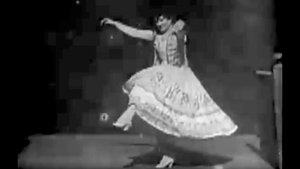
Carmencita
The first woman to appear in front of an Edison motion picture camera and possibly the first woman to appear in a motion picture within the United States. In the film, Carmencita is recorded going through a routine she had been performing at Koster & Bial's in New York since February 1890.
1894