Watch The Last Camp (2025) Online Free
On December 15, 2024, the collision and sinking of two fuel oil tankers in the Kerch Strait caused one of the most devastating environmental disasters in the history of the Black Sea. Six months later, the tankers lying on the seabed are still leaking fuel oil, and of the thousands of volunteers who initially took part in the cleanup, only a few dozen remain along a 30-kilometer stretch of beach. The film was shot on the Taman Peninsula in early summer 2025, against the backdrop of a formally lifted, yet in reality already underway, beach season. In the face of scarce resources, the departure of their own leaders, and the daily release of fuel oil, the volunteers talk about themselves, rescue animals, combat the ignorance of those around them, and try to find the motivation to continue their fight against a disaster that at times seems endless.
More Like This
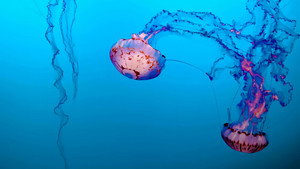
Jellyfish, The new Rulers of the Ocean
Jellyfish blooms are making headlines around the world. This is due to the damage they cause to tourism, fishing and our health. How can these creatures, which are over 98% water and have no shell, skeleton or brain, expand so rapidly? Although this is a normal stage in the life cycle of these gelatinous animals, we have to admit that blooms have become much more frequent and massive in recent decades. We're even witnessing jellyfish populations appearing in more and more regions where fish have been replaced by them, such as off the coast of Namibia, in the Black Sea, in the Sea of Japan and in certain areas of the Baltic Sea. What causes this? Why has the role of jellyfish in the ocean been underestimated, even though they outlived the dinosaurs? Are jellyfish on their way to dominating the oceans as they once did? What if they were to be the only ones left?
2026

The Aviary
A short documentary that follows a teenage girl determined to rescue birds.
2025

Roland Emmerich - Weltenzerstörer, Weltenerbauer
Roland Emmerich himself and many of his companions provide insights into his life. With films such as Independence Day, 2012, and The Day After Tomorrow, he probably became the most successful director of disaster movies. But there were also failures.
2025
Lands Between
West Coast of England, redshanks wander through wetlands in search of food while facing constant threats from loose dogs.
2024
Taking Back Our Beach
This is a film about the response by a community to New Zealand’s largest environmental disaster, seen through the eyes of that community. The film captures the shock, anger and grief driven into the heart of the local community, but also the humour, purpose and overwhelming positivity when people join together with a common goal.
2023
Animal Airlift: Escaping the Taliban
A revealing account of Pen Farthing's evacuation of an Afghan animal shelter during the West's chaotic withdrawal of 2021. We examine why a nation was so vocal, both for and against, the idea of saving animals when so many humans were at risk.
2022

Alerte aux astéroïdes
Faced with the risk of collision with the Earth, space agencies are refining their observations on the course of asteroids in our galaxy. A documented state of the art of the current programs.
2022

Chernobyl: The Last Battle of the USSR
Three decades after the nuclear explosion, almost everything has been said about this ecological and sanitary disaster that made Pripiat a part of History. How did the greatest industrial disaster change the course of History, disrupt global geopolitics and, directly or indirectly, redistribute the balances and power relations of the twentieth century? The world will never be the same again. By retracing the incredible battle waged by the Soviet Union against radiation, this film proposes to retrace and enlighten an extraordinary story, while exploring the historical stakes in the medium and long-term…
2021
Island Heroes: The Whale Rescuers of Campobello Island
2020
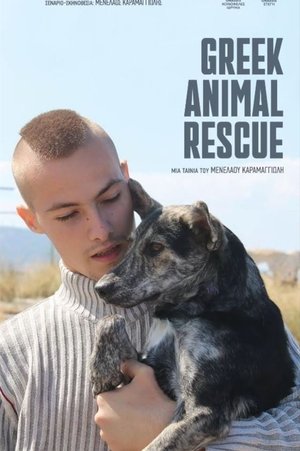
Greek Animal Rescue
A gravely ill, abused three-legged stray dog, abandoned in an industrial desert at Aspropyrgos, a town near Athens; a London based charity whose mission is to help the neglected animals of Greece; a group of young volunteers who patrol Aspropyrgos and nurse the strays – these are the characters of the film, in a nightmarish place, a hellhole for many abandoned animals. Does the sick three-legged hound stand any chance of getting adopted, becoming healthy again and running across the fields of Essex? Why are the Greekies, the strays from Greece, so popular when it comes to being adopted abroad? With an unexpected ending, the film tries to discover whether there is any hope for the doomed dogs and for a doomed area outside Athens.
2017
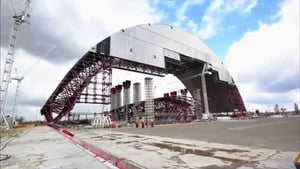
Chernobyl 30 Years On: Nuclear Heritage
Thirty years after the Chernobyl disaster, which occurred on the night of April 26, 1986, its causes and consequences are examined. In addition, a report on efforts to strengthen the structures covering the core of the nuclear plant in order to better protect the population and the environment is offered.
2015
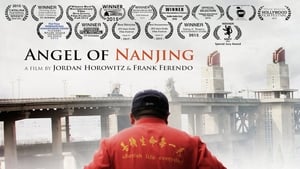
Angel of Nanjing
The Yangtze River Bridge in Nanjing is one of the most famous bridges in China. It is also the most popular place in the world to commit suicide. For the past 11 years Chen Si has been patrolling this bridge, looking to provide aid for those who've gone there to end their lives. Incredibly, he has saved over 300 people since he began - nearly one every two weeks.
2015
Tohoku Tomo
A documentary film telling the story of true friendship and commitment to Japan’s recovery by the international community following the Great East Japan Earthquake. Many of these people dropped what they were doing and dedicated themselves to Japan’s recovery. Many of these them even took it upon themselves to establish non-profit organizations aimed at connecting with and rebuilding Tohoku and its communities.
2014

Second Chance
Second Chance tells a story of Ukrainian orphaned children and the Canadian volunteers who spend their summers working along side them. The film follows first time volunteer and filmmaker, Adriana Luhovy, as she learns about the children and becomes witness to their strengths and resilience. Converging in Yaremche in the Carpathian Mountains of Ukraine, over 500 orphaned children come together from all over the country. At first quiet and fearful, they learn to trust one another and their counsellors. By countering heartbreaking statistics - 60% of orphaned girls are trafficked within the first year of leaving the orphanage; 50% of boys end up in jail; 10% commit suicide - the volunteers are dedicated to making a difference in the lives of orphaned Ukrainian children.
2013
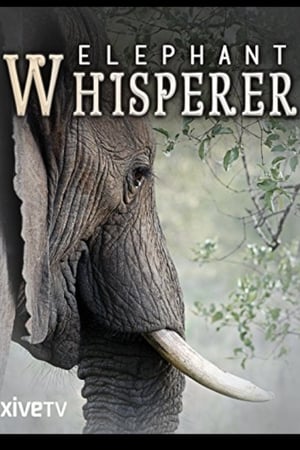
Elephant Whisperer
Sangduen Chailert, or Lek, as she is generally known, has already rescued over 200 elephants. She has dedicated her life to saving the Asian elephant and founded a special camp, The Elephant Nature Park to protect them. We follow this winner of Time Magazine’s “Asian Hero of the Year” Award in her work. Lek is on a mission to save the Asian elephant in her native Thailand. This film looks at the plight of the Asian elephant, as it goes from being a widely used domestic animal, to becoming a burden on modernizing communities. With experts predicting its extinction within four decades, Lek’s work is needed now more than ever and she has gathered a large group of supporters and volunteers in her quest for a better future for the Asian elephant. This moving film demonstrates Lek’s natural understanding of and rapport with these huge animals and will stir the viewers emotions as it highlights the often desperate state some elephants are kept in.
2012
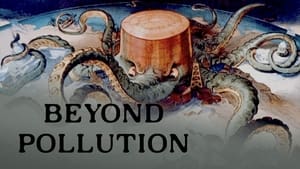
Beyond Pollution
Barker White documents the environmental impact of the massive BP spill.
2012
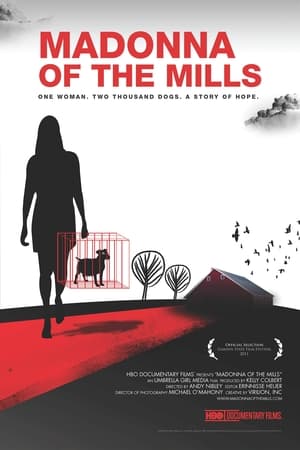
Madonna of the Mills
Uplifting tale of Staten Island woman who creates modern underground railroad and rescues 2,000 dogs condemned to death in Amish Country puppy mills. The film chronicles Laura F on her weekend rescue missions to Amish Country. With her Brooklyn mom and Staten Island girl friends by her side, Laura embarks on a four-year odyssey to rescue dogs from the hellish conditions of Amish puppy mills. The film follows four of the dogs from the time their lives are spared until they are nursed back to health and placed with their forever families. We see the dogs leave the cages where they have spent their entire lives and watch these dogs, who were given up for dead, transform the lives of the people who adopt them.
2011
Yökahvila Walkers
A documentary about a night café called Walkers, its workers and the youth – largely immigrants – populating the café during the night.
1999
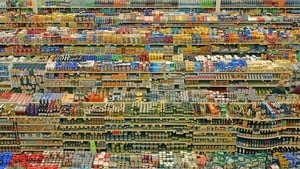
Koyaanisqatsi
Takes us to locations all around the US and shows us the heavy toll that modern technology is having on humans and the earth. The visual tone poem contains neither dialogue nor a vocalized narration: its tone is set by the juxtaposition of images and the exceptional music by Philip Glass.
1983
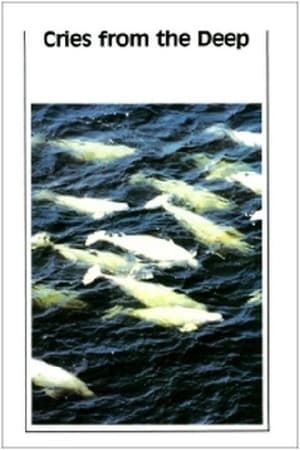
Cries from the Deep
This documentary records the journey undertaken by Jacques Cousteau, his 24-member team, and an NFB film crew to explore the Grand Banks of Newfoundland, one of the world's richest fishing areas. They discover shipwrecks, film icebergs and observe beluga whales, humpback whales and harp seals. The film also includes a fascinating sequence showing Calypso divers freeing a calf whale entrapped in a fishing net.
1981