Watch The Kingdom of Fun (1989) Online Free
The largest leisure and shopping complex in Europe, the Metro Centre in Tynemouth, and its creator John Hall.
Cast
Ian Holm, John Hall, T. Dan Smith
More Like This

Enrico Mattei, le rebelle du pétrole
2026
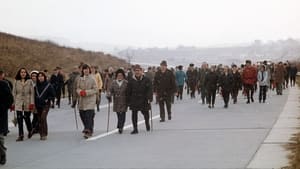
Der Ölschock von 1973 - Autofreie Sonntage
On November 25, 1973, the first of four car-free Sundays transformed West Germany's deserted highways into spaces for walking, cycling, and horse-drawn carriages, while towns and cities took on a festive atmosphere. Introduced during the oil crisis to conserve fuel after the Arab oil embargo and production cuts following the Yom Kippur War, the measure became an unforgettable collective experience. Beyond the immediate energy shortage, the crisis marked a turning point, ending the postwar economic boom and encouraging greater awareness of energy use, consumerism, and environmental issues.
2023

Thatcher vs The Miners: The Battle for Britain
On the 5th of March 1985, a crowd gathered in a South Yorkshire pit village to watch a sight none of them had seen in a year. The villagers, many of them in tears, cheered and clapped as the men of Grimethorpe Colliery marched back to work accompanied by the village’s world-famous brass band. The miners and their families had endured months of hardship. It had all been for nothing. The miners had lost the strike called on March 6th 1984. They would lose a lot more in the years to come. But was it a good thing for the country that the miners lost their last battle?
2021
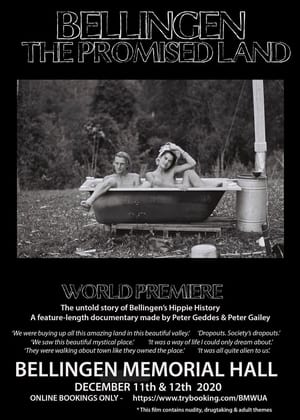
BELLINGEN: The Promised Land
By the 1970s the global counter-culture movement had well and truly reached Australia, seeing young, educated hippies from well-to-do families moving to the Bellingen region to live an alternate lifestyle. Back then, Bellingen was a rundown, quiet country town with business in decline. Then, new ideas, new ways of living and a new status quo began to take control. What some called an influx of hippies, others called an invasion on the conservative lifestyle of farmers, causing a clash of ideals. Compiling countless hours of 8mm footage and historical photos, retired journo Peter Geddes and filmmaker Peter Gailley paint the historical landscape of how modern Bellingen came to be, following the cultural movement that eventually became the backbone of Bellingen’s identity.
2021
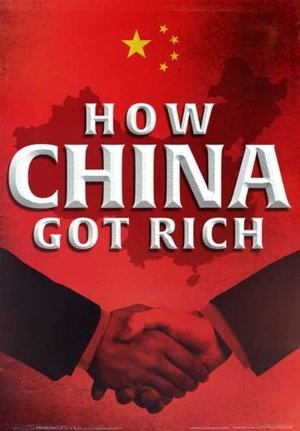
How China Got Rich
Over the last 40 years, China has been transformed out of all recognition. The scale of its growth and the sheer speed of change has been astonishing. The country has seen the largest lifting of people out of poverty that has ever taken place in human history. How did an impoverished and backward communist country become an engine of global capitalism? What lies ahead for this economic behemoth?
2019

The Bubble
Diving deep into the true causes of the Great Recession, the financial crisis of the 2010s, renowned economists, investors and business leaders explain what America is facing if we don't learn from our past mistakes. Is the economy really improving or are we just blowing up another Bubble?
2018

Centralia: Pennsylvania's Lost Town
A small town is overcome by a massive underground coal fire in 1962. As a result hundreds of residents had to be relocated.
2017

Free Lunch Society
What would you do if your basic income was taken care of month after month? Would you stop working? Follow your passions? Take more risks? The four-figure sum that all four members of the Wardwell family receive each year from the Alaskan government’s crude oil profits goes towards a college fund for their children, something they would otherwise be unable to afford. Filmmaker Christian Tod, himself a fervent supporter of the idea, explores the model of an unconditional basic income and takes a look at trial systems already underway in the US, Canada and Namibia. Wandering the history of this utopia reminiscent of science fiction he eventually ends up in Switzerland, where the new system was voted on in 2016. In this multifaceted and highly entertaining documentary, Tod broaches life’s existential questions and fuels the debate on one of the most prevalent economic topics of our generation.
2017

Les Années 2000, la BO de notre vie
2016
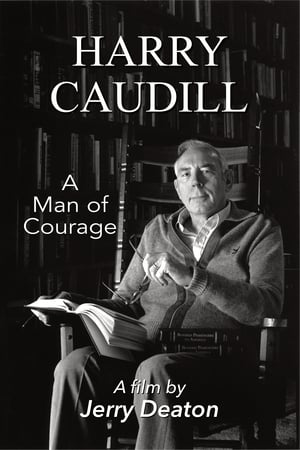
Harry Caudill: A Man of Courage
One of the most important Kentuckians of the 20th century, Harry Caudill brought the story of Appalachia to national attention when his book “Night Comes to the Cumberlands” was released in 1963. The nonfiction account of Eastern Kentucky’s coal region, part history and part polemic, eloquently recounted the exploitation of Appalachia’s land and its people by business and government interests, and made Caudill a national spokesperson for his homeland. Harry Caudill spent his life advocating for Eastern Kentucky, with the aim of helping the powerless as well as securing the region’s unmatched natural resources for future generations. His work led to lasting government reforms for Appalachia, and his legacy remains a touchstone for activists today.
2015
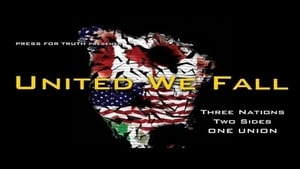
United We Fall
United We Fall is a documentary about a North American Union that is being developed right now between Canada, the United States, and Mexico. For years this topic has been debated in the news and in political circles as being a possible future for North America. In recent years, the mood has shifted and a rift is developing between those who want a deeply integrated North American community, and those who wish to retain their national sovereignty. This film takes a look at both sides of the issue by interviewing insiders such as members of the ultra-secretive Bilderberg group, the Trilateral Commission and the Council On Foreign Relations and also journalists and activists such as Luke Rudkowski, Alex Jones and producer Dan Dicks who have been at the heart of this heated debate.
2010

Zeitgeist: Addendum
Director Peter Joseph examines examples of economic subjugation and offers solutions based on alignment with nature.
2008
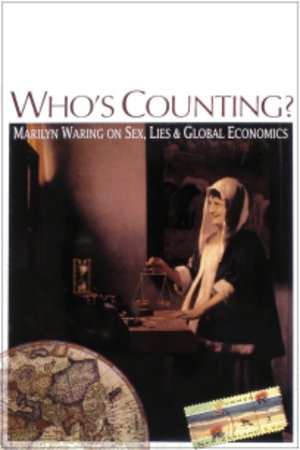
Who’s Counting? Marilyn Waring on Sex, Lies and Global Economics
This documentary profiles economist and writer Marilyn Waring. In extensive interviews, Waring details her feminist approach to finances and challenges commonly accepted truths about the global economy. The filmmakers detail Waring's early rise to political prominence and her successful protests against nuclear arms. Waring also speaks candidly about wartime economies, suggesting that government policies tend to marginalize the fiscal contributions of women.
1995

Iron and Steel Supply of the World
Time-travel to a 1940s classroom with this exemplary educational film.
1947
Ruy Mauro Marini and the Dependancy Dialetics
Ruy Mauro Marini was a brazilian sociologist who developed the Marxist Dependancy Theory, to explain the development of latin american nations due their place in the global capitalism. This film, through multiple interviews, gives a short overview of his life and work.
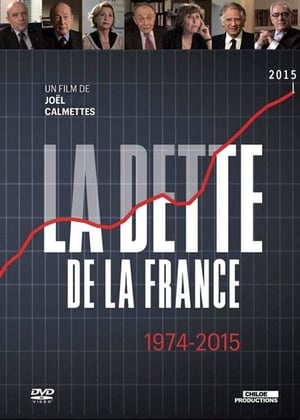
La dette de la France 1974-2015
2016

Zeitgeist: The Movie
A documentary examining possible historical and modern conspiracies surrounding Christianity, the 9/11 terrorist attacks, and the Federal Reserve bank.
2007

Jim Decker's Party
A rollicking Newfoundland party on Fogo Island.
1967

Women in Industry
The Ministry of Labour exhorts women to return to industry – the post-war production drive depends on them.
1948

Herrings
This informative herring aid from WWII makes no bones about the need to make the most of every fish.
1940