Watch Harry Caudill: A Man of Courage (2015) Online Free
One of the most important Kentuckians of the 20th century, Harry Caudill brought the story of Appalachia to national attention when his book “Night Comes to the Cumberlands” was released in 1963. The nonfiction account of Eastern Kentucky’s coal region, part history and part polemic, eloquently recounted the exploitation of Appalachia’s land and its people by business and government interests, and made Caudill a national spokesperson for his homeland. Harry Caudill spent his life advocating for Eastern Kentucky, with the aim of helping the powerless as well as securing the region’s unmatched natural resources for future generations. His work led to lasting government reforms for Appalachia, and his legacy remains a touchstone for activists today.
More Like This
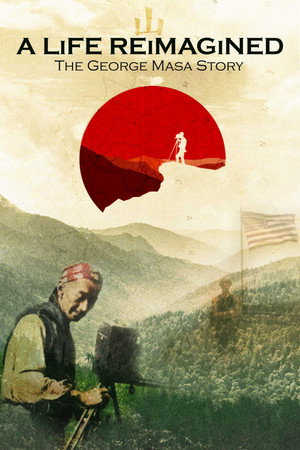
A Life Reimagined: The George Masa Story
In 1915 a young, charismatic Japanese man with a mysterious past entered into the Appalachian culture of Asheville, North Carolina, is suspicioned a spy, targeted by the Klan, but perseveres with a passion for photography and the mountains he adopts, bringing to life Great Smoky Mountains National Park & the Appalachian Trail.
2026

Bright Green Lies
Bright Green Lies investigates the change in focus of the mainstream environmental movement, from its original concern with protecting nature, to its current obsession with powering an unsustainable way of life. The film exposes the lies behind the notion that solar, wind, hydro, biomass, or green consumerism will save the planet. Tackling the most pressing issues of our time will require us to look beyond the mainstream technological solutions and ask deeper questions about what needs to change.
2021

Mountain Monsters: A Tribute to Trapper
The Appalachian Investigators of Mysterious Sightings (A.I.M.S.) team comes together to reminisce and celebrate the life of their founder, John "Trapper" Tice, in this Mountain Monsters special.
2021
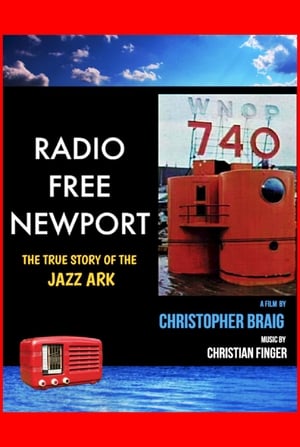
Radio Free Newport: The True Story of WNOP
Imagine an AM Radio Station with a dawn to dusk license that played nothing but jazz and comedy records. Did I mention it FLOATED in the Ohio River and changed the culture of a Community? The history of Cincinnati Jazz is long, wide, diverse and in the case of WNOP sometimes beyond belief. Saxophonist turned filmmaker Christopher Braig's second Film will focus on the people, music, and cities that kept "The Jazz Ark" sailing for 42 years from 1968 to 2000.
2019
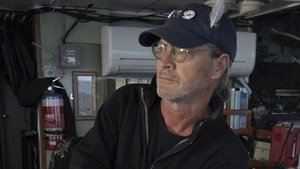
Eco-Terrorist: Battle for Our Planet
Eco-Terrorist: The Battle for Our Planet follows the most wanted environmentalist today, Captain Paul Watson. In this unique and groundbreaking film, Brown takes a deeper look into what really goes on behind the scenes in the deep waters of our world. More pranks, the glory of successful missions, and fiercer encounters with some of the most infamous and illegal marine hunters, while stopping at nothing to protect wildlife on a global scale. The film takes the audience right to the frontlines of the modern day environmental movement via those who started it.
2019

Burkinabè Bounty
This documentary chronicles agricultural resistance and the fight for food sovereignty in Burkina Faso – a small, landlocked country in West Africa. Showcasing activist farmers, students, artists and leaders in the local Slow Food movement, the film looks at how the Burkinabé people are reclaiming their land and defending their traditions against the encroachment of corporate agribusiness. From women gaining economic independence by selling artisanal “dolo” beer, to youth marching in the streets against companies like Monsanto, to hip-hop musicians setting up their own farms and reviving the revolutionary spirit of Thomas Sankara through their music, Burkinabè Bounty shows the creative tactics people are using to take back control of their food, seeds, and future.
2018
Centralia: Pennsylvania's Lost Town
A small town is overcome by a massive underground coal fire in 1962. As a result hundreds of residents had to be relocated.
2017
The Smog of the Sea
The Smog of the Sea chronicles a 1-week journey through the remote waters of the Sargasso Sea. Marine scientist Marcus Eriksen invited onboard an unusual crew to help him study the sea: renowned surfers Keith & Dan Malloy, musician Jack Johnson, spearfisher woman Kimi Werner, and bodysurfer Mark Cunningham become citizen scientists on a mission to assess the fate of plastics in the world’s oceans. After years of hearing about the famous “garbage patches” in the ocean’s gyres, the crew is stunned to learn that the patches are a myth: the waters stretching to the horizon are clear blue, with no islands of trash in sight. But as the crew sieves the water and sorts through their haul, a more disturbing reality sets in: a fog of microplastics permeates the world’s oceans, trillions of nearly invisible plastic shards making their way up the marine food chain. You can clean up a garbage patch, but how do you stop a fog?
2017

The Miners' Strike
Teaming up with director Karl Francis, Dafydd Hywel speaks to some of the coal miners and their wives who played a huge part in the Miners' Strike of 1984-5, and their descendants, who have inherited a Wales without coal mines.
2015
The Key Issue
A mockumentary about four people and their idiosyncratic ways of saving the planet.
2011
Into the Pit: The Shocking Story of Deadpit.com
Prestonburg, KY is a small blue-collar town with hunting, fishing, coal mining, and two of the biggest names in online horror talk radio: Wes Vance and Aaron Frye (aka "The Creepy Kentuckian" and "Uncle Bill") The two self-proclaimed "redneck geeks" bonded at a young age while their weekends devouring horror films. They now use their extensive horror knowledge to record a weekly podcast on DEADPIT.com and have found a worldwide audience through their candid conversation, quick wit, and lots of swearing. What started as an outlet to express their love for horror films has evolved into an online industry with millions of followers and the ability to talk to their childhood heroes. But what happens when your childhood pursuits start to collide with your adult aspirations? Can Deadpit survive it's own success?
2009
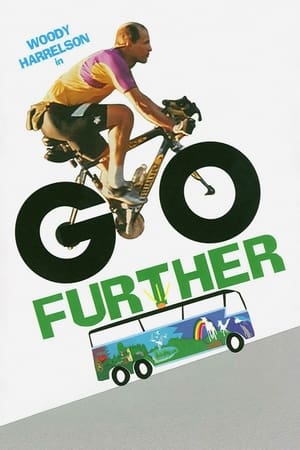
Go Further
"Go Further" explores the idea that the single individual is the key to large-scale transformational change. The film follows actor Woody Harrelson as he takes a small group of friends on a bio-fueled bus-ride down the Pacific Coast Highway. Their goal? To show the people they encounter that there are viable alternatives.
2003
Stranger with a Camera
In 1967 Canadian filmmaker Hugh O'Connor came with a crew to eastern Kentucky to make a film showing people from all walks of life in the United States. They finished the day by filming coal miners and their families in rental houses. As the filmmakers were leaving, Hobart Ison, the owner of the property, drove up and fired three shots, killing Hugh O'Connor. Elizabeth Barrett, from Kentucky herself, explores why this happened by trying to understand the people and culture of eastern Kentucky.
2000
Warren Oates: Across the Border
A retrospective of the work of the late actor Warren Oates, with clips from his films and interviews with cast and crew members who worked with him.
1993

Matewan
Filmed in the coal country of West Virginia, "Matewan" celebrates labor organizing in the context of a 1920s work stoppage. Union organizer, Joe Kenehan, a scab named "Few Clothes" Johnson and a sympathetic mayor and police chief heroically fight the power represented by a coal company and Matewan's vested interests so that justice and workers' rights need not take a back seat to squalid working conditions, exploitation and the bottom line.
1987
Sprout Wings and Fly
Set in the North Carolina Appalachians, Sprout Wings and Fly honors the fiddle playing of 82-year-old Tommy Jarrell of Toast, NC. Tommy was quirky, gregarious and generous, and this film shows him at his best, in fine fiddling form.
1983

Coal Miner's Daughter
Biography of Loretta Lynn, a country and western singer that came from poverty to fame.
1980
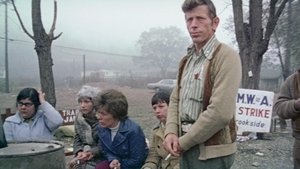
Harlan County U.S.A.
This film documents the coal miners' strike against the Brookside Mine of the Eastover Mining Company in Harlan County, Kentucky in June, 1973. Eastover's refusal to sign a contract (when the miners joined with the United Mine Workers of America) led to the strike, which lasted more than a year and included violent battles between gun-toting company thugs/scabs and the picketing miners and their supportive women-folk. Director Barbara Kopple puts the strike into perspective by giving us some background on the historical plight of the miners and some history of the UMWA. Preserved by the Academy Film Archive in partnership with New York Women in Film & Television in 2004.
1977
Iron and Steel Supply of the World
Time-travel to a 1940s classroom with this exemplary educational film.
1947

A Ribbon In The Sky
A documentary covering the planning, construction, and legacy of the Blue Ridge Parkway.