Watch The Green Chain (2011) Online Free
This homegrown Erin Brockovich story follows former Whakatāne sawmill worker Joe Harawira and his long battle to reveal the impact that workplace toxins have had on his community. In the '80s after being afflicted by health issues, Harawira noticed co-workers getting sick. In 1988 he helped found SWAP (Sawmill Workers Against Poisons) and began investigating the effects of exposure to dioxins, a byproduct of timber treatment.
Cast
Joe Harawira
More Like This
The Place Once Known as Earth and We, Homo Sapiens
A daring exploration of the intersection of religion, patriarchy, and gender oppression in India, unearthing how rituals, customs, and cultural double standards—often sanctified in the name of faith—perpetuate misogyny across generations.
2025

Into the Basement
A documentary team in small town New Zealand investigate claims by scared locals that their kids have turned into devil worshipers, only to find out the truth has been grossly overstated.
2024
Taking Back Our Beach
This is a film about the response by a community to New Zealand’s largest environmental disaster, seen through the eyes of that community. The film captures the shock, anger and grief driven into the heart of the local community, but also the humour, purpose and overwhelming positivity when people join together with a common goal.
2023
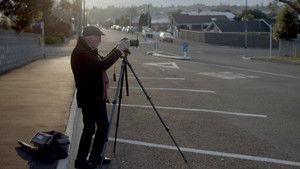
Richard Wotton: Moments Later
A photographer explores the seldom noticed architecture in his home town.
2022

Max Gimblett: Original Mind
Max Gimblett: Original Mind documents the life and process of eccentric, creative genius Max Gimblett. One of New Zealand’s most successful and internationally prominent living painters, Gimblett has been working in America since 1962. The filmmakers spent a week in Gimblett’s Soho loft where he and his devoted studio assistants generously revealed the techniques and philosophy behind his beautiful art.
2017

Kim Dotcom: Caught in the Web
The larger-than-life story of Kim Dotcom, the 'most wanted man online', is extraordinary enough, but the battle between Dotcom and the US Government and entertainment industry—being fought in New Zealand—is one that goes to the heart of ownership, privacy and piracy in the digital age.
2017

Champions Factory: New Zealand's Black Blood
2015
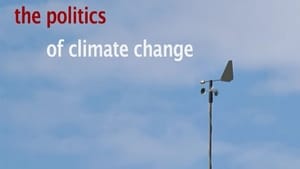
Hot Air
In the years since New Zealand politicians began to grapple with climate change our greenhouse gas emissions have burgeoned. Alister Barry’s doco draws on TV archives and interviews with key participants to find out why.
2014
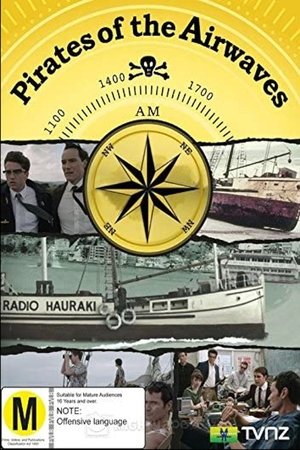
Pirates of the Airwaves
In 1966 a group of determined young men defied the New Zealand government and launched a pirate radio station aboard a ship in the Hauraki Gulf.
2014

Restoring Hope
This often confronting documentary observes a Māori restorative justice model through the eyes of straight-talking Mike Hinton, manager of Restorative Justice at Manukau Urban Māori Authority. The bringing together of victims (including wider whānau) and offenders may offer an alternate way forward for "a criminal justice system failing too many and costing too much”. Restoring Hope kicked off Māori Television’s 2013 season of Sunday night documentaries. In a Herald On Sunday preview, Sarah Lang argued it was “enough to restore hope in local documentary-making.” I’m in an arena where people have high emotions, they get stressed and pressured. I’m reasonably confident that I can avoid situations where I’ll be unsafe. I don’t have any death wish — I’ve got a game of golf tomorrow. – Mike Hinton, on the dangers of the job
2012
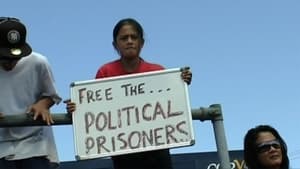
Operation 8
Operation 8 examines the so-called 'anti-terror' raids that took place around New Zealand on October 15, 2007 - asking how and why they took place and at what cost to those targeted.
2011
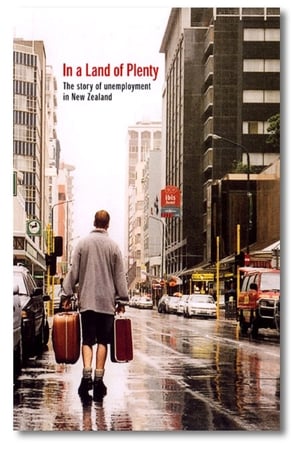
In a Land of Plenty
The story of unemployment in New Zealand and In A Land of Plenty is an exploration of just that; it takes as its starting point the consensus from The Depression onwards that Godzone economic policy should focus on achieving full employment, and explores how this was radically shifted by the 1984 Labour government. Director Alister Barry's perspective is clear, as he trains a humanist lens on ‘Rogernomics' to argue for the policy's negative effects on society, as a new poverty-stricken underclass developed.
2002

Backroom Troubles
Women talk about the circumstances that drove them to seek illegal abortions and the often traumatic result. Interwoven with historical photographs and newsreel footage, the stories expose how the reality of women's lives were counterposed to what was socially and morally expected of them.
1997
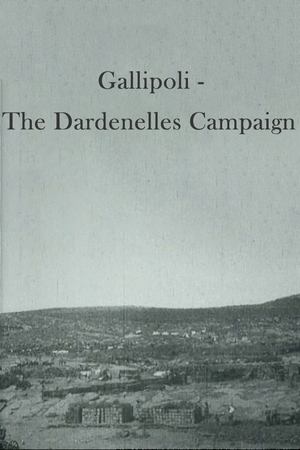
Gallipoli - The Dardenelles Campaign
An overview of one of the greatest disasters of the first World War WWI - the Dardanelles Campaign at Gallipoli, Turkey.
1996
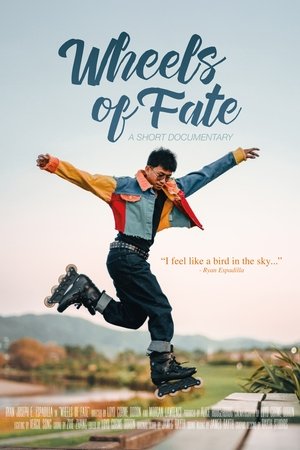
Wheels of Fate - A Short Documentary Film
Wheels of Fate is a short documentary film about identity, belonging and acceptance. It reflects on Ryan Espadilla's experience immigrating to New Zealand. This film features the euphoria and sanctuary of inline skating as Ryan reveals inner struggles, trials and aspirations as he journeys towards a sense of belonging. It captures observation that speaks to the intricacies of the immigrant experience and the passion of inline skating.

Quest for the Ring
2001
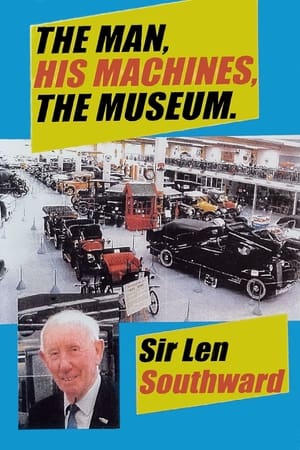
Sir Len Southward: The Man, His Machines, The Museum
A documentary about Sir Len Southward OBE and his collection of vehicles at his Southward Car Museum in Paraparaumu, New Zealand, among the largest car museums in the world.
1998
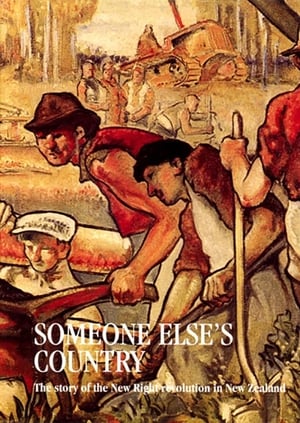
Someone Else's Country
Someone Else’s Country looks critically at the radical economic changes implemented by the 1984 Labour Government - where privatisation of state assets was part of a wider agenda that sought to remake New Zealand as a model free market state. The trickle-down ‘Rogernomics’ rhetoric warned of no gain without pain, and here the theory is counterpointed by the social effects (redundant workers, Post Office closures). Made by Alister Barry in 1996 when the effects were raw, the film draws extensively on archive footage and interviews with key “witnesses to history”.
1996
Skin Pics
A bold reveal of a rose tattoo opens this 1980 documentary on tattooing in New Zealand. The potted history includes visits to tattoo parlours on K' Road and Hastings, and the studios of industry legends Steve Johnson and Roger Ingerton. Tattooists discuss public stigma, people's reasons for getting inked, and popular designs: sailors, serpents, swallows and tā moko. Made for documentary slot Contact, Skin Pics chronicles a time when "folk art has become high art".
1980
Timber Front
This black-and-white archival film outlines the importance of Canada's forests in the national war effort during the Second World War.
1940