Watch Operation 8 (2011) Online Free
Operation 8 examines the so-called 'anti-terror' raids that took place around New Zealand on October 15, 2007 - asking how and why they took place and at what cost to those targeted.
More Like This
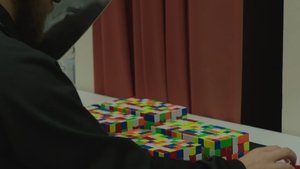
Wellington Speedcubing
On June 21st, 2025, a film crew was sent to a competition in Wellington to document the niche sport and community of speedcubing. James Macdiarmid attempts to solve over 40 Rubik's cubes in a row blindfolded.
2025

Into the Basement
A documentary team in small town New Zealand investigate claims by scared locals that their kids have turned into devil worshipers, only to find out the truth has been grossly overstated.
2024
Taking Back Our Beach
This is a film about the response by a community to New Zealand’s largest environmental disaster, seen through the eyes of that community. The film captures the shock, anger and grief driven into the heart of the local community, but also the humour, purpose and overwhelming positivity when people join together with a common goal.
2023
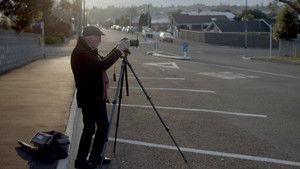
Richard Wotton: Moments Later
A photographer explores the seldom noticed architecture in his home town.
2022
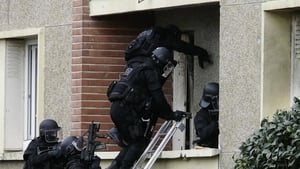
Le Raid raconté de l'intérieur : 35 ans d'interventions à haut risque
2021
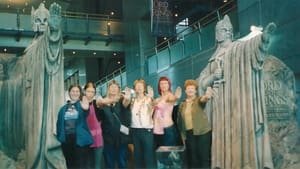
Once in a Lifetime
This documentary delves into the history behind the Wellington New Zealand based private LOTR Fan museum, run by Kathy. It plays on request at the museum.
2017

Kim Dotcom: Caught in the Web
The larger-than-life story of Kim Dotcom, the 'most wanted man online', is extraordinary enough, but the battle between Dotcom and the US Government and entertainment industry—being fought in New Zealand—is one that goes to the heart of ownership, privacy and piracy in the digital age.
2017
Hillsborough
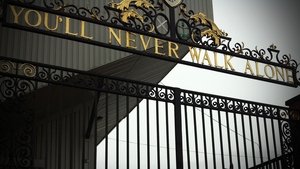
A look at the April 15, 1989 tragedy at Hillsborough Stadium in Sheffield, England, where a stampede in the stadium's standing-room-only areas killed 96 people and injured 766. The film also examines the ongoing efforts of victims' families to seek truth and justice, as well as tangible effects on English football, including stadium upgrades and the emergence of the English Premier League.
2016
Champions Factory: New Zealand's Black Blood
2015

Restoring Hope
This often confronting documentary observes a Māori restorative justice model through the eyes of straight-talking Mike Hinton, manager of Restorative Justice at Manukau Urban Māori Authority. The bringing together of victims (including wider whānau) and offenders may offer an alternate way forward for "a criminal justice system failing too many and costing too much”. Restoring Hope kicked off Māori Television’s 2013 season of Sunday night documentaries. In a Herald On Sunday preview, Sarah Lang argued it was “enough to restore hope in local documentary-making.” I’m in an arena where people have high emotions, they get stressed and pressured. I’m reasonably confident that I can avoid situations where I’ll be unsafe. I don’t have any death wish — I’ve got a game of golf tomorrow. – Mike Hinton, on the dangers of the job
2012
This Is Where We Take Our Stand
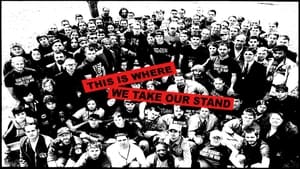
In March of 2008, 250 veterans and active duty soldiers marked the fifth anniversary of the invasion of Iraq by gathering in Washington, DC to testify from their own experience about the nature of the occupations of Afghanistan and Iraq. Inspired by the 1971 Winter Soldier Investigation held by the Vietnam Veterans Against the War, they too sought to express their opposition to those wars with their first-hand accounts, bearing witness with voices not generally heard. Our documentary is a portrait of three participants. If follows their lives for 6 weeks leading to the even and afterward; an active duty female soldier, a 9 year National Guard Veteran, and a 3 tour former Marine. This is their story.
2012
Death and Taxes
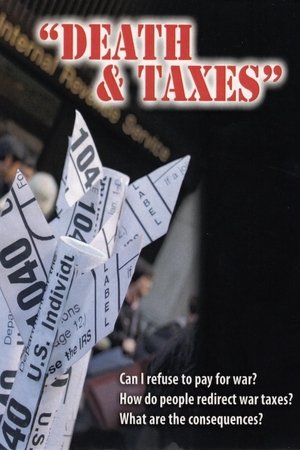
Twenty-eight people offer their motivations for and methods of resisting the war machine with their tax money. This tightly-paced short film introduces viewers to war tax refusal and redirecting tax dollars to peace, with music by Sharon Jones and the Dap-Kings, Antibalas, Rude Mechanical Orchestra, and First Strike Theatre’s version of “Don’t Pay Taxes” by Charlie King.
2010
The Weather Underground
The remarkable story of The Weather Underground, radical activists of the 1970s, and of radical politics at its best and most disastrous.
2002
In a Land of Plenty
The story of unemployment in New Zealand and In A Land of Plenty is an exploration of just that; it takes as its starting point the consensus from The Depression onwards that Godzone economic policy should focus on achieving full employment, and explores how this was radically shifted by the 1984 Labour government. Director Alister Barry's perspective is clear, as he trains a humanist lens on ‘Rogernomics' to argue for the policy's negative effects on society, as a new poverty-stricken underclass developed.
2002
Quest for the Ring
2001
Backroom Troubles
Women talk about the circumstances that drove them to seek illegal abortions and the often traumatic result. Interwoven with historical photographs and newsreel footage, the stories expose how the reality of women's lives were counterposed to what was socially and morally expected of them.
1997
Gallipoli - The Dardenelles Campaign
An overview of one of the greatest disasters of the first World War WWI - the Dardanelles Campaign at Gallipoli, Turkey.
1996
NZ WARS: Stories of Waitara
Stories of Waitara combines oral histories, state of the art animations and powerful dramatic re-enactments to bring to life the narratives of Te Ātiawa in their epic battle against the military might of the British Empire. Created and presented by award-winning journalist Mihingarangi Forbes NZ Wars: Stories of Waitara documents the epic battle for control over the fertile lands of Taranaki. Shared through the eyes of Te Atiawa descendants including Dr Ruakere Hond with insights from acclaimed historian Dr Vincent O'Malley this digital documentary project focuses on the beginning of the Taranaki wars which started in Waitara and raged across the region for over two decades. The Taranaki pa site of Pukerangiora holds a significant place in New Zealand's military history as a lasting symbol of Maori resistance and resilience. Pukerangiora is now the backdrop for the latest installment of RNZ's award-winning docu-series on the bloody birth of modern New Zealand.
Break Out
The love story of successful businessman Alexei and young doctor Dimitri unfolds against the backdrop of Russia’s escalating anti-LGBTQ laws and the invasion of Ukraine. Meeting in secret during COVID lockdowns, the couple faces criminalization, police raids, and the looming threat of being sent to the front line. Their fight for freedom takes them across three continents in a desperate bid to live authentically and without fear. First-person testimony is blended with striking animation and dramatic reenactments.
Skin Pics
A bold reveal of a rose tattoo opens this 1980 documentary on tattooing in New Zealand. The potted history includes visits to tattoo parlours on K' Road and Hastings, and the studios of industry legends Steve Johnson and Roger Ingerton. Tattooists discuss public stigma, people's reasons for getting inked, and popular designs: sailors, serpents, swallows and tā moko. Made for documentary slot Contact, Skin Pics chronicles a time when "folk art has become high art".
1980