Watch The Great Saphir (2018) Online Free
This film is the story of several civic and individual initiatives which consists of collecting waste, at sea and on land, to preserve the environment. We start by portraying these committed characters with the personal initiative of Emmanuel Laurin, "The Great Saphir", who combines athletic achievement and environmental protection. During almost 14 days, between May 25 and June 8 in 2017, Manu swam 120 km of coastline while collecting macro-waste to raise public awareness of the critical state of pollution in the Mediterranean Sea. This film is a reflection of the evolution of environmental activism: after the denunciation, these new whistleblowers adopt a positive approach and take action. They prove to us every day that we are all able to do that.
Cast
Emmanuel Laurin
More Like This

The Birdwatchers
We can't address the environmental crises of climate change and biodiversity loss if people don't care about nature, and it all starts with stepping outside and looking up. Through the lens of four inspiring women, The Birdwatchers aims to explore and break down some of the barriers preventing people from accessing nature. This film is a love letter to the world of birds, and a rallying cry for people to protect it.
2025
Wild Beauty: Mustang Spirit of the West
An immersive journey into the world of wild horses, Wild Beauty illuminates both the profound beauty, and desperate plight faced by the wild horses in the Western United States. Filmmaker Ashley Avis and crew go on a multi-year expedition to uncover the truth in hopes to protect them, before wild horses disappear forever.
2022
Bright Green Lies
Bright Green Lies investigates the change in focus of the mainstream environmental movement, from its original concern with protecting nature, to its current obsession with powering an unsustainable way of life. The film exposes the lies behind the notion that solar, wind, hydro, biomass, or green consumerism will save the planet. Tackling the most pressing issues of our time will require us to look beyond the mainstream technological solutions and ask deeper questions about what needs to change.
2021

Efter floden
2019

Beerput Nederland
2017
The Smog of the Sea
The Smog of the Sea chronicles a 1-week journey through the remote waters of the Sargasso Sea. Marine scientist Marcus Eriksen invited onboard an unusual crew to help him study the sea: renowned surfers Keith & Dan Malloy, musician Jack Johnson, spearfisher woman Kimi Werner, and bodysurfer Mark Cunningham become citizen scientists on a mission to assess the fate of plastics in the world’s oceans. After years of hearing about the famous “garbage patches” in the ocean’s gyres, the crew is stunned to learn that the patches are a myth: the waters stretching to the horizon are clear blue, with no islands of trash in sight. But as the crew sieves the water and sorts through their haul, a more disturbing reality sets in: a fog of microplastics permeates the world’s oceans, trillions of nearly invisible plastic shards making their way up the marine food chain. You can clean up a garbage patch, but how do you stop a fog?
2017

Faire des vagues
2016
Normal Is Over
Documentary about human impact on the world.
2015

A Dangerous Game
In this sequel to the award-winning You’ve Been Trumped, director Anthony Baxter once again follows American billionaire Donald Trump and a cast of other greedy characters who want to turn some of the Earth’s most precious places into golf courses and playgrounds for the super rich. From the historic site of Dubrovnik to the ancient sand dunes and rolling green hills of the seaside town of Balmedie, these tycoons bully local residents, influence governments, ignore local referendums and even meddle in national environmental policies to acquire their latest trophies. With in-depth interviews and Baxter’s expert storytelling, we learn just how devastating these golf courses can be to the surrounding countryside and water tables. In this funny, inspiring and at times heartbreaking David and Goliath story for the 21st century, the locals don’t give in easily. But will their fight be enough to protect their land and traditional way of life?
2014
Le Silence de la carpe
2011
Gasland
It is happening all across America-rural landowners wake up one day to find a lucrative offer from an energy company wanting to lease their property. Reason? The company hopes to tap into a reservoir dubbed the "Saudi Arabia of natural gas." Halliburton developed a way to get the gas out of the ground-a hydraulic drilling process called "fracking"-and suddenly America finds itself on the precipice of becoming an energy superpower.
2010
IceDream The Iceberg Project
2010
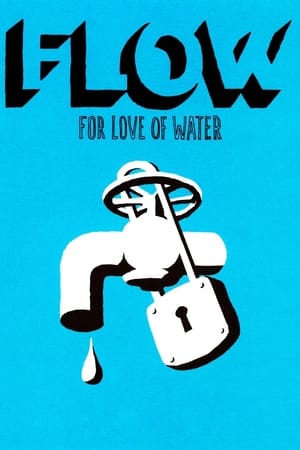
Flow: For Love of Water
From both local and global perspectives, this documentary examines the harsh realities behind the mounting water crisis. Learn how politics, pollution and human rights are intertwined in this important issue that affects every being on Earth. With water drying up around the world and the future of human lives at stake, the film urges a call to arms before more of our most precious natural resource evaporates.
2008
Rumenatomija: The Story of Brandas Addiction
Branda has hit rock bottom. Her addiction has spiralled so far out of control that medical intervention is the only option left. She's forced to confront her darkest demons in order to lick her deadly appetite, and must apply all 12 steps to her four stomachs - Branda is a cow addicted to eating plastic bags. It's easy to find humour and irony in Branda's toxic lifestyle, harder to admit that we're the ones being ridiculed.
2008
The Unforeseen
A documentary about the development around Barton Springs in Austin, Texas, and nature's unexpected response to being threatened by human interference.
2007
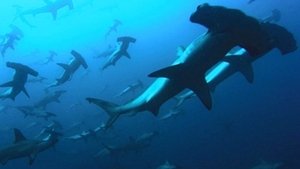
Deep Blue
Deep Blue is a major documentary feature film shot by the BBC Natural History Unit. An epic cinematic rollercoaster ride for all ages, Deep Blue uses amazing footage to tell us the story of our oceans and the life they support.
2003
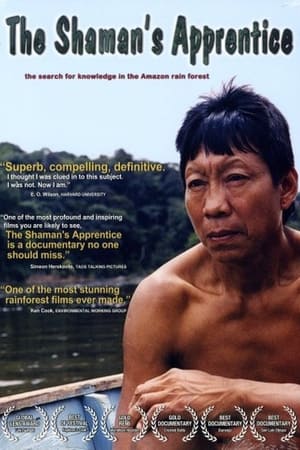
The Shaman's Apprentice
Scientist Mark Plotkin races against time to save the ancient healing knowledge of Indian tribes from extinction.
2001
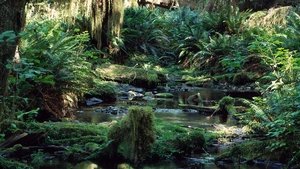
Tropical Rainforest
The story of the evolution of tropical rain forests, their recent and rapid destruction, and the intense efforts of scientists to understand them even as they disappear. This film gives viewers a better appreciation of the importance of tropical rain forests on a global scale.
1992
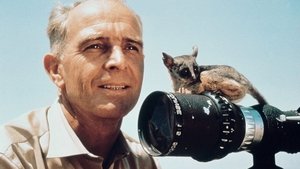
Serengeti Shall Not Die
The film tells of the beginnings of the Serengeti National Park in Tanzania. At the end of the 1950s, the Tanzanian National Park Administration wanted to fence in the protected area around the Ngorongoro Crater. Bernhard and Michael Grzimek were invited by the national park administration in 1957 to get a precise picture of the animal migrations and to provide the national park administration with the values they needed for their project. Using a new counting method with two airplanes, the Grzimeks found out that the migration of the herds was different than assumed.
1959
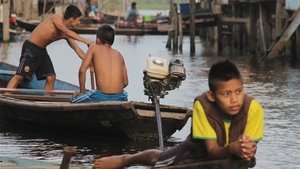
El Río
“El Río” aims to illustrate the unique relationship between the indigenous people of the Peruvian Amazon and their land. By drawing attention to and discussing the differences between western ideologies and those found in the Amazon, the documentary increases awareness of the emotional and spiritual effects of environmental resource depletion.