Watch The First VCR (2019) Online Free
This is a documentary about the 1956 invention of the first VCR (video cassette recorder), which launched the home video revolution.
Cast
Myles Wright
More Like This

My Uncle Has a Tape
A video found on a strange tape kept by someone's uncle.
2026
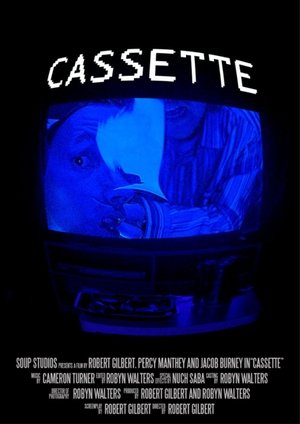
Cassette
Two twisted young film makers are shocked when a purchase of some new snuff hits a little too close to home.
2023
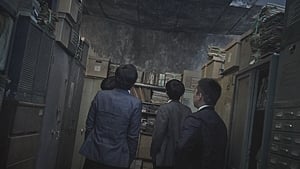
Marui Video
The video evidence of the murder, which is especially brutal and graphic, that shouldn't be released to the public; a reporter who has access to the prosecutor's office hears about a cursed tape in the video archive and begins reporting on it.
2023
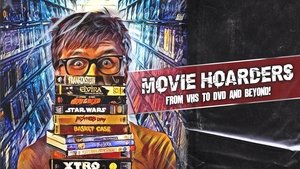
Movie Hoarders: From VHS to DVD and Beyond!
Filmmakers and collectors lift the curtain on their manic media obsession that is not only a huge part of their lives, but the lifeblood of their existence!
2021
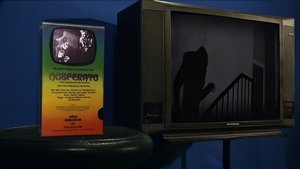
Cassette-Television
Kassetten-Fernsehen tells the story of the development of video as an entertainment medium in West Germany. The story begins with visions of a revolution and ends with a persistent censorship debate in a climate of intellectual and moral change.
2019
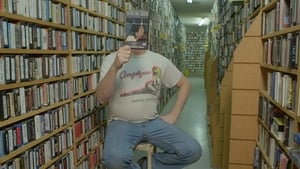
VHS Revolution
Using testimonies by pioneers and witnesses of the times, delve into the feverish visual culture the media generated – with far-fetched examples of canine television games, seduction manuals, aerobics class while holding a baby, among others.
2017
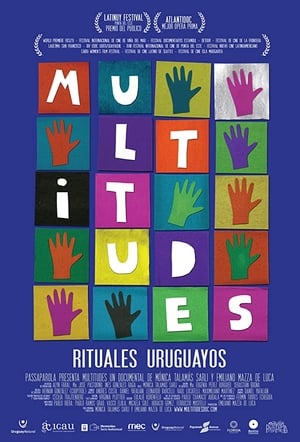
Crowds
Crowds is a feature documentary that records popular events of Uruguay where thousands of people gather spontaneously, called by faith, passion, celebration and memory. What happens when we set aside our individuality to act collectively? This documentary observes the passions that draw thousands of people close in order to join in a choral character. It discovers the crowd while it transgresses and experiences catharsis, while it seeks miracles and hopes; in continuous movement it splits and rejoins... until they dissipate and individuals re-emerge in their own solitude.
2016
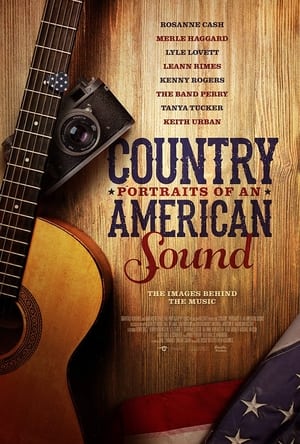
Country: Portraits of an American Sound
'Country: Portraits of an American Sound' is a documentary film that explores the history and culture of country music through the lens of photography, which has portrayed the ideals, lifestyle and personalities of country music artists for over 80 years. The film features imagery and commentary from Grand Ole Opry photographer Les Leverett, the late celebrity photographer Leigh Wiener, documentary photographer Henry Horenstein, iconic music photographers Henry Diltz and Raeanne Rubenstein, and contemporary photographers David McClister and Michael Wilson. Over a dozen country music artists also appear, including Rosanne Cash, Roy Clark, Merle Haggard, Lyle Lovett, Charley Pride, LeAnn Rimes, Kenny Rogers, Tanya Tucker, The Band Perry and Keith Urban. The film weaves iconic images, historical footage and over 25 country music hits into a dynamic look at this uniquely American sound.
2015
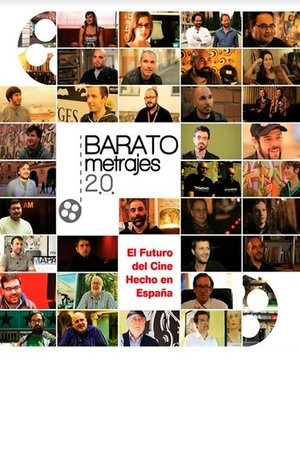
Baratometrajes 2.0: Spaniard-low-budget-films with High Ambitions
Baratometrajes 2.0 is a feature length documentary on low-budget films made in Spain and dives deep and directly in the guts of most independent films, their characteristics and their reasons for being. More than forty interviews with directors, producers, journalists, cultural managers and distributors are shaping a broad mosaic of opinions and adventures of different creators to get their films and turn them into a reality, allowing the cameras to talk through their methodology work and the secrets that lie behind the making of these productions. Movies like "El mundo es nuestro," "Mi Loco Erasmus" or "The Cosmonaut" are part of the object of study of this essential documentary that brings us to the reality of New Spanish Cinema Lowcost.
2014
Running with Bulls
Presented by UK journalist Jason Farrell (Sky News) Running With Bulls captures and explores the thrills, passion and controversy of the Pamplona Bull Run. The San Fermin Festival in Pamplona, Spain is a celebration of life, of shared history, of family and religion. It is a fiesta like nothing you'll ever experience anywhere else in the world and one reason for this is the famous spectacle of the bull run.
2012

The Atom Smashers
The Atom Smashers chronicles the search for the Higgs boson: a yet-undiscovered subatomic particle that could explain how matter, and therefore life, can exist. To find this "god particle," top physicists at Fermilab use the Tevatron, a four-mile-long, forty-year-old particle accelerator buried beneath the Illinois prairie. However, a new, more powerful accelerator at Europe's CERN laboratory looms on the horizon... Part science, part international competition, and part human drama, The Atom Smashers watches its captivating characters in and out of the laboratory as they race along the intersections of politics, culture, and the possibility of the discovery of a lifetime.
2008
Wir Weltmeister – ein Fußballmärchen
2006
Lo specchio di Diana
In 1926 the remains of two ships built by the Emperor Caligula were found at the bottom of Lake Nemi, near Rome. Mussolini had the lake drained and established a museum as a celebration of the imperial origins of Fascism, but the museum and ships were destroyed by fleeing Nazis in 1944. The film commemorates these events. - MoMA
1996
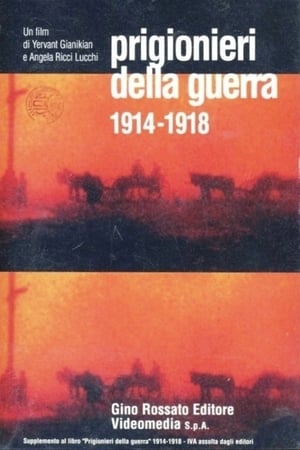
Prisoners of War
This haunting film comprises of footage shot during WWI from opposite sides of the conflict: Czarist Russia and the Austro-Hungarian empire. The filmmakers tinted the material with sensual colors from sepia to red, blue, and purple and slowed the footage to analyze the material. The total absence of commentary renders the material eloquent and disturbing. - MoMA
1995
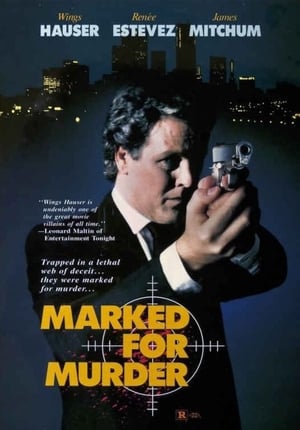
Marked for Murder
A snooty female production assistant and an eager gopher at a TV station are assigned by their boss to locate a mysterious cassette. They quickly find themselves framed for murder and pursued by government agents.
1989
Terror on Tape
A video store clerk showcases clips from Z-grade horror movies to curious customers.
1985
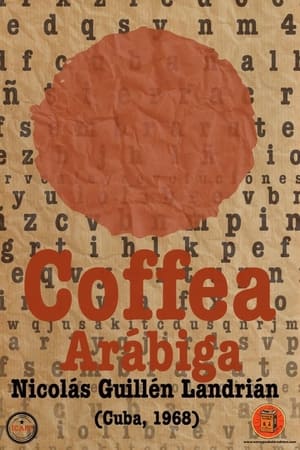
Arabian Coffee
'Coffea arábiga' was sponsored as a propaganda documentary to show how to sow coffee around Havana. In fact, Guillén Landrián made a film critical of Castro, exhibited but banned as soon as the coffee plan collapsed.
1968
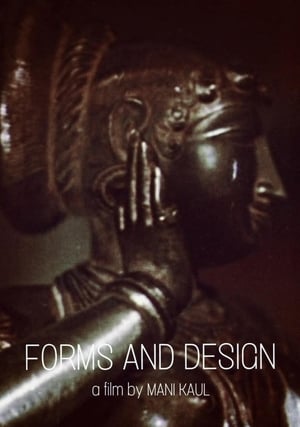
Forms and Designs
A short film that sets up an opposition between functional forms of industrial age and decorative ones from Indian tradition.
1968
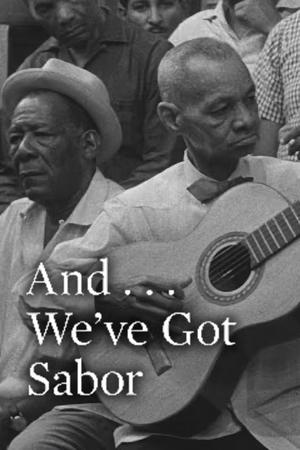
And... We've Got Sabor
Legendary rumba musician Alberto Zayas serves as a guide for this vibrant journey through Cuban musical history and culture. The short features interviews, footage of impromptu street performances, and studio recordings.
1967
I'm Going to Santiago
This black-and-white film is a loving portrait of Santiago de Cuba and its people. It provides a view of Cuba as a picturesque country, the product of an earthy mix of black and criollo cultures. The film uses historical images which portray the end of the eighteenth century when Haitian slave owners fled with their slaves to Cuba after the Haitian Revolution.
1964