Watch Arabian Coffee (1968) Online Free
'Coffea arábiga' was sponsored as a propaganda documentary to show how to sow coffee around Havana. In fact, Guillén Landrián made a film critical of Castro, exhibited but banned as soon as the coffee plan collapsed.
More Like This
When We Fight
In the second largest school district in the United States, 98% of teachers vote to authorize a strike. Watch as one of the largest educator strikes in modern U.S. history unfolds in real-time, highlighting the stories and leadership of some of the women who led it, from union leaders to classroom teachers. From strike vote to contract vote, When We Fight goes behind the picket lines, documenting how and why teachers strike. "This powerful and beautifully crafted film is a must watch for anyone interested in the state of labor in America today." - Robert Reich, former Secretary of Labor and Professor of Public Policy, UC Berkeley
2023
Mi reino
An elderly hoarder seeks to overcome time and memory to find closure and redemption in the twilight of his life.
2022
Beautifully Derelict
A melancholic look at Mainz's Jubiläumsbrunnen, whose decayed charm is in a state of conflict with other buildings in Mainz.
2022
Silencio
Sound progression of two opposite landscapes.
2020
Prosa y verso de una identidad
A group of writers from Hidalgo get together to generate their works and create a community around literature.
2020
I'm not funny
To confront his fear of making a fool of himself, a film student ventures into stand-up comedy and documents his process.
2020
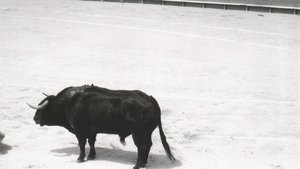
Artémis et la mort
During the Feria of Nîmes, a bullfight is filmed from the perspective of the animal, relegating the matador and public to off-screen spectators. A ritual at the frontiers of mysticism, carried by the sacrificial figure of the bull, revealer of our humanity.
2017
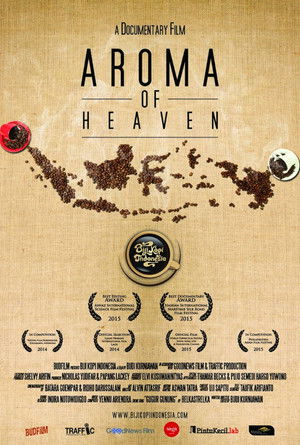
Aroma of Heaven
How well we know our cup of coffee?
2014
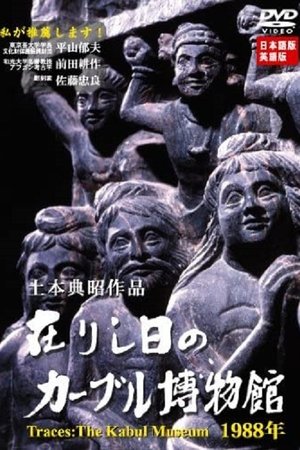
Traces: The Kabul Museum 1988
The Kabul National Museum, once known as the "face of Afghanistan," was destroyed in 1993. We filmed the most important cultural treasures of the still-intact museum in 1988: ancient Greco-Roman art and antiquitied of Hellenistic civilization, as well as Buddhist sculpture that was said to have mythology--the art of Gandhara, Bamiyan, and Shotorak among them. After the fall of the Democratic Republic of Afghanistan in 1992, some seventy percent of the contents of the museum was destroyed, stolen, or smuggled overseas to Japan and other countries. The movement to return these items is also touched upon. The footage in this video represents that only film documentation of the Kabul Museum ever made.
2003
The Devil's Bridge
Life in a Kyrgyz aul (village) in the mountains connected to the rest of the world by a cable bridge, and the teenage boys who are constructing the rope of the bridge. A rope bridge which the locals call “The devil’s bridge” forms part of each and every event which takes place in a small village lost in the mountains of the Kyrgyz Republic. A platform driven by a huge winch which they have to pull with their own strength to cross the torrent is their only link with the outside world. But the director of the documentary wondered something else: “Does this bridge unite or does it actually separate?” Through the mist and over the thrashing waters, the inhabitants of the area glide along their ropes. A film, in the director’s own words, about ordinary people who live in an extraordinary place.
1997

Raumerfahrungen
What advantage does space travel bring to mankind? A father and his son search for answers during a walk in the forest.
1994
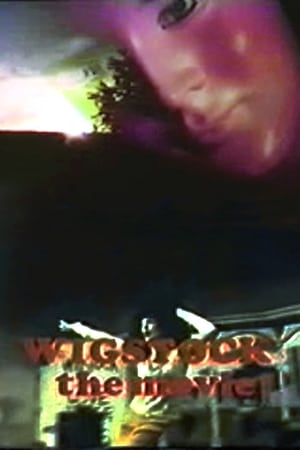
Wigstock: The Movie
The original documentary on the Wigstock festival, back in the day when it was a much smaller affair in Thompkins Square Park. A full day of peace, love, and wigs…
1987
Witness
Experimental short film by Barbara Sykes
1982

The Middle Dog's Day
shows visual and metaphorical representation using rope as a motif through various rope images and meanings.
1974
Under a Bridge
In this tape, Ko Nakajima and Video Earth Tokyo interview a homeless man. The subject is initially angry and frustrated, but gradually opens up and shares stories about his life. Under A Bridge was later broadcast on cable television.
1974

The Hole
One of Han Ok-hee’s renowned pieces called The Hole uses the flicker, oblique angles, the cross-cutting of reality and fantasy to express inner entrapment and the desire for liberation. Han Ok-hee’s The Hole, The Rope and Untitled not only experimented with cinematic forms of expression, but also played an important role in the protest against forms of expression in experimental films and the artistic protest against the social suppression and censorship in 1970s Korea. (Art Cinema OFFoff)
1973

This was the MARY
Short 18 minute film about QM and her last Transatlantic voyage from New York to Southampton. Joan Crawford makes an appearance and also narrates the first part of the film.
1968
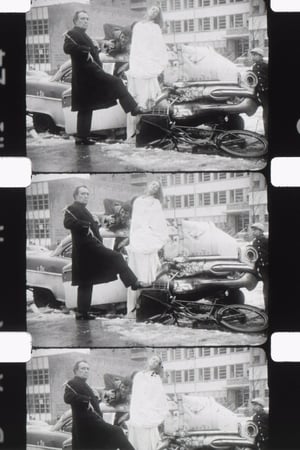
Salvador Dalí at Work
Filmmaker Jonas Mekas follows the surrealist artist around the streets of New York documenting staged public art events.
1964
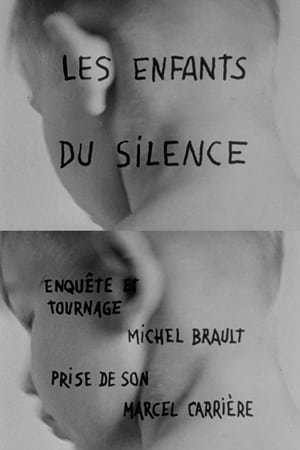
Children of Silence
This film looks at the world of children with hearing loss and the importance of early diagnosis. With its straightforward, rigorous cinematic style and intimate approach to the subject, the film focuses on the human rather than the technical side of the problem of hearing impairment.
1962
Flying Superkids: Showtime
A compilation of shows on stages all over the world. A 25-minute broadcast where shows from all over the world are clipped together with the Flying Superkids' funny comments. Hear them talk about the different numbers and about performing in everything from a sports hall in Greenland to a huge theater in Thailand.