Watch The Films of Kurt Kren 1957-1995 (2001) Online Free
A collection of shorts by Kurt Kren. Some are based on performaces by Viennese Actionists such as Günter Brus and Otto Mühl.
Cast
Günter Brus, Otto Muehl
More Like This
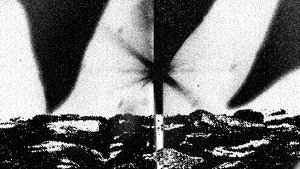
Amor
Landscapes revealed themselves through text, paper through movement, while the sun gave them relief. This is a journey across found words, enunciating a discovery, their textures constructing the sea and the waves, in a travelogue from the first exploration, the first step over the sand towards the shore. “Amor” writes this joy to underline it in its time, captured on paper. This film has been composed through a scanner, and it’s the first chapter of the “Reír al Sol” series.
2025
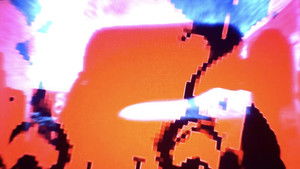
TATTERY
TATTERY TATTERY TATTERY TATTERY TATTERY. TATTERY TATTERY TATTERY TATTERY TATTERY TATTERY TATTERY TATTERY TATTERY TATTERY TATTERY TATTERY TATTERY.
2025
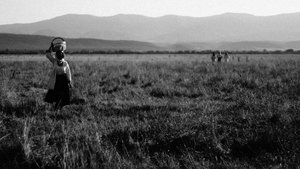
Doina
Doina, a shepherd’s wife in ancient Romania, turns her daily routine into ritual. When nature foretells his death, her journey through grief blends realism, myth, and magic, where despair meets imagination.
2025
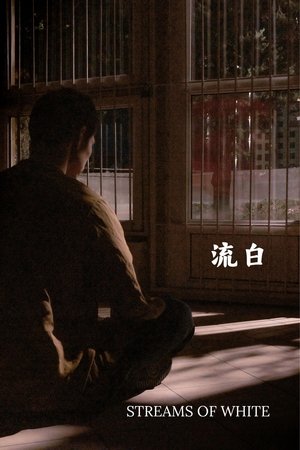
Streams of White
A sitting man listens to his thoughts, but can't catch any of them.
2023
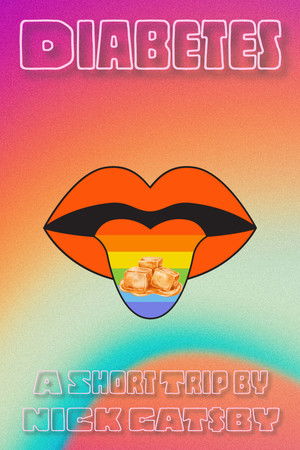
Diabetes
A narcissistic fitness fanatic argues with his significant other over breakfast about who is the healthier of the two.
2017
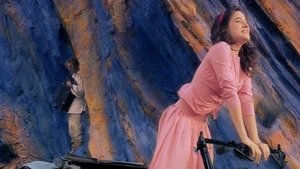
The Tulse Luper Suitcases, Part 1: The Moab Story
A comic study of 20th-century history, reconstructing the life of writer, creator and professional prisoner Tulse Luper. Born in 1911 Newport and last heard of in 1989, Luper’s life is pieced together from the evidence found in 92 suitcases scattered across the globe. In the first of three parts, we follow Luper through three distinct episodes: as a child during the First World War; as an explorer in Mormon Utah; and as a writer in Belgium during the rise of fascism.
2003
Immortelle
A man is given a letter by a stranger which causes an extreme sense of urgency to get to a very particular location. This is an experimental film that is entirely up to interpretation. The films concept was constructed by all members of the cast and crew.
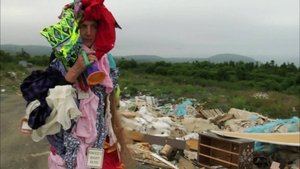
Pretend Not to See Me
Life and art intersect on a spectacular Newfoundland farm where visual artist Colette Urban mounts thirteen art performances in the fields and barns of her property. Resilient, determined, self aware and funny, Colette embraces the transformative power of art as she restages the significant art performances of her thirty-year career. With the camera as her audience she transforms the quotidian into a playful world of the imagination with elaborate costumes and idiosyncratic self invented rituals.
2009
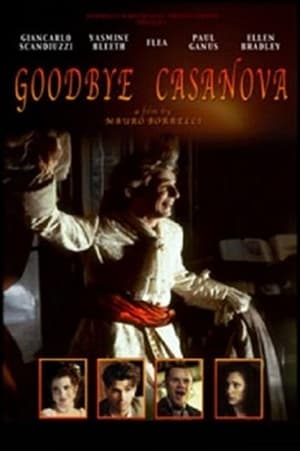
Goodbye, Casanova
A aspiring novelist operates a tiny neighborhood bookstore. His wife is a talented painter. Their marriage is disintegrating, and they are about to sign their divorce papers. Meanwhile, the legendary Casanova and his lover Lavinia are characters trapped inside of a 17th-century children's book. The tragedy of the impending divorce triggers the release of Casanova and Lavinia from the confines of the children's pop-up book.
2000
Solitude d'adolescence
(NULL)
An unknown girl breaks out of her daily grind by undergoing an intense audio-visual trip.
2013
Begotten
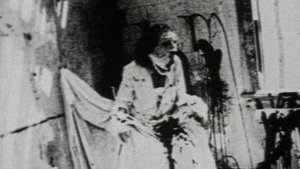
Begotten is the creation myth brought to life, the story of no less than the violent death of God and the (re)birth of nature on a barren earth.
1991
The Dream
An early Super 8 film by Heather McAdams, made while she was an MFA student at the School of the Art Institute of Chicago.
1978
Mirror
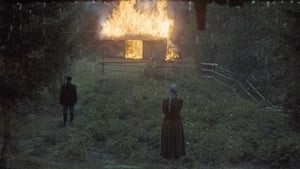
A dying man in his forties recalls his childhood, his mother, the war and personal moments that tell of and juxtapose pivotal moments in Soviet history with daily life.
1975
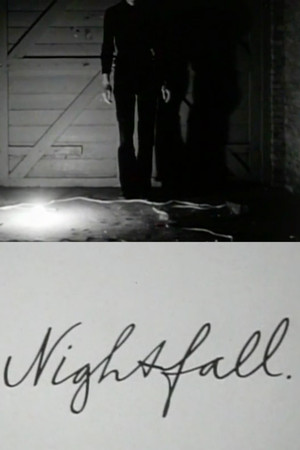
Nightfall
Shot in his garage-studio, the camera records Ader painstakingly hoisting a large brick over his shoulder. His figure is harshly lit by two tangles of light bulbs. He drops the brick, crushing one strand of lights. He again lifts the brick, allowing tension to accrue. The climax inevitable—the brick falls and crushes the second set of lights. Here the film abruptly ends, all illumination extinguished.
1971
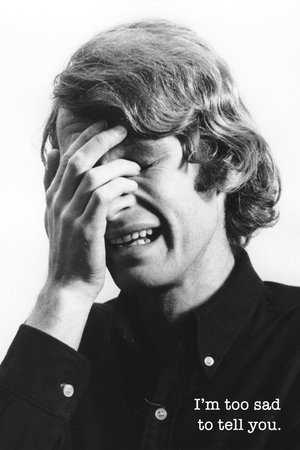
I'm Too Sad to Tell You
This short film is part of a mixed media artwork of the same name, which also included postcards of Ader crying, sent to friends of his, with the title of the work as a caption. The film was initially ten minutes long, and included Ader rubbing his eyes to produce the tears, but was cut down to three and a half minutes. This shorter version captures Ader at his most anguished. His face is framed closely. There is no introduction or conclusion, no reason given and no relief from the anguish that is presented.
1971
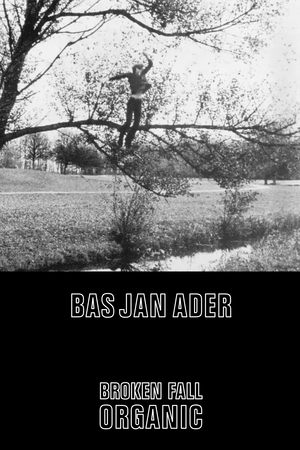
Broken Fall (Organic)
Bas Jan Ader hangs from the branch of a tall tree, until he loses his grip and falls into a river below.
1971
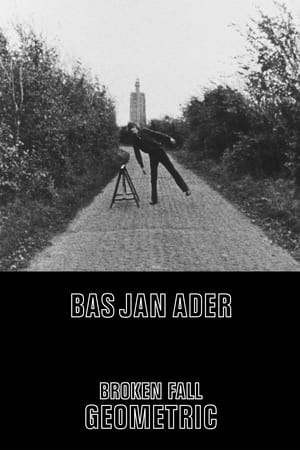
Broken Fall (Geometric)
One of a series of ‘falls’ by Bas Jan Ader that he recorded on film, this work was filmed in West Kapelle, Holland in 1970.
1971
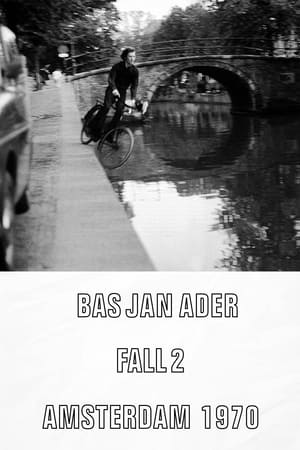
Fall 2
Bas Jan Ader rides his bike into a canal in Amsterdam.
1970
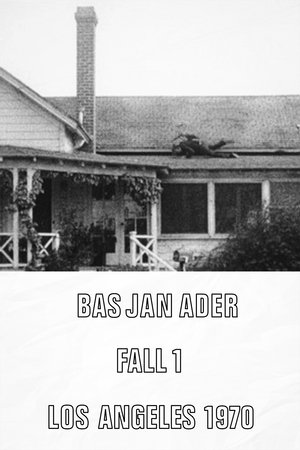
Fall 1
Bas Jan Ader's first fall film shows him seated on a chair, tumbling from the roof of his two-storey house in the Inland Empire.
1970