Watch Tales from the Road | Exploring Kyrgyzstan & Uzbekistan (2025) Online Free
Two friends travel across Uzbekistan and Kyrgyzstan on the search for Eagle Hunters.
Cast
Jack FitzWilliam
More Like This
Kyrgyzstan
An audiovisual letter that connects an imagined Kyrgyzstan with the filmmaker’s inner world, blending personal illness, memory, and political echoes into a poetic reflection on distance and belonging.
2026

I Lit the Fire!
The plot of the movie brings two people together - an immigrant filmmaker from Belarus and a 10 years old girl from the village in the south of Kyrgyzstan.
2025
Uzbek Madonna
Documentary highlighting clips and providing historical context to surviving silent films from Uzbekistan.
2024
Once Upon a Time in Tashkent
Pokser TV short-film
2020
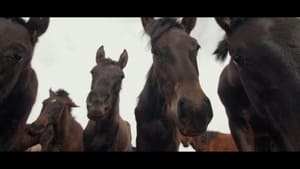
Wings of Kyrgyzstan
As „wings of men“ they became the faithful companion of a great nomadic nation thousands of years ago. Today, 28 years after the Soviet occupation, the little horse is an essential part of the cultural heritage and the search for identity of the modern Kyrgyz people. Based on its own story, a so called „good brown horse“ leads through the film and offers an insight of what it could mean to be „todays wings of men“. Told by a horse’s voice and through its eyes, this short film still is a documentary, but also a poetic journey to a nomadic culture.
2019
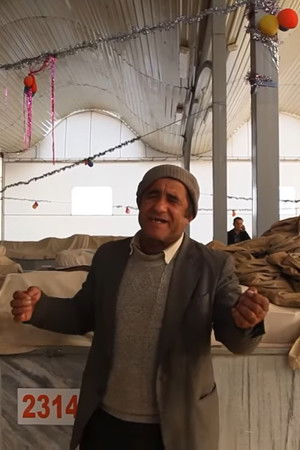
Neither live nor die in Tashkent
Chronicles of the cultural life of Tashkent (2007 – 2015). From the murder of Mark Weil to the wedding of Alisher Usmanov. Tashkent Biennale, apartment buildings, video art festival, conversations about nothing, amateur performances and operational shooting, advertising and much more. Tashkent, which no longer exists, just as these people are no longer in it.
2015
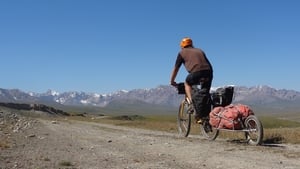
The Road From Karakol
In the summer of 2011, mountaineer Kyle Dempster traveled the back roads of Kyrgyzstan on his bike. His goal: cross the country using old Soviet roads while climbing as many of the region's impressive peaks as possible. He was alone. He carried only a minimal ration of climbing gear. Ten Kyrgyz words complete its vocabulary. Part meditation on the true spirit of adventure and part epic travelogue, The Road from Karakol is the story of a unique spirit who cycled to the end of the road and decided to keep going.
2013
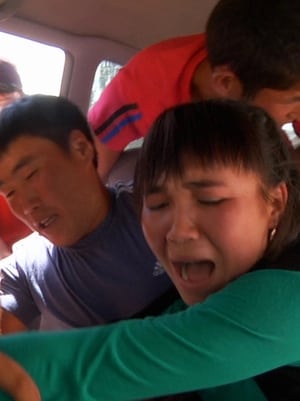
Bride Kidnapping in Kyrgyzstan
In the Issyk-Kul region of Kyrgyzstan, tradition is king. Polo's still played with a freshly killed goat and the men still marry their women the old-fashioned way: by abducting them off the street and forcing them to be their wife. Bride kidnapping is a supposedly ancient custom that's made a major comeback since the fall of Communism and now accounts for nearly half of all marriages in some parts.
2011
Live and live in Fergana
About Russians living in Fergana, why they are not going to leave and what they see as the meaning of their presence on the land of Turkestan
2009

To Live and to Die in Samarkand
Having gone to Samarkand in search of traces of colonial culture, of which there were quite a few left there, having carefully photographed them, we suddenly discovered that it was not the dead buildings that were much more interesting, but the living carriers of this very colonial culture. The result is a film about people who live on the ruins of an empire.
2007

Grandmother of Russian Feminism
Portrait of a typical European feminist - Olga Lipovskaya (1954-2021), journalist, translator, poet, founder of the women's non-profit organization St. Petersburg Center for Gender Issues (an educational and resource center for women and women's organizations), editor of the samizdat magazine Women's Reading.
2007
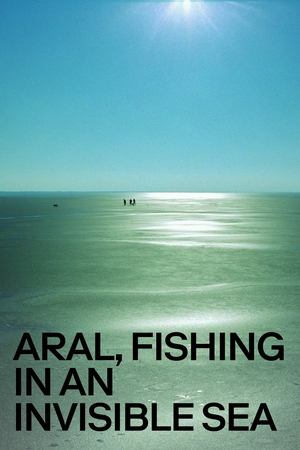
Aral, Fishing in an Invisible Sea
A documentary film about the three remaining generations of fishermen in the Aral Sea-- Their everyday struggle to survive in one of the most dire and inhospitable places on the planet.
2004
Jayuk
A 20-minute documentary film about the Kyrgyz people living by the Narym River.
1998
The Devil's Bridge
Life in a Kyrgyz aul (village) in the mountains connected to the rest of the world by a cable bridge, and the teenage boys who are constructing the rope of the bridge. A rope bridge which the locals call “The devil’s bridge” forms part of each and every event which takes place in a small village lost in the mountains of the Kyrgyz Republic. A platform driven by a huge winch which they have to pull with their own strength to cross the torrent is their only link with the outside world. But the director of the documentary wondered something else: “Does this bridge unite or does it actually separate?” Through the mist and over the thrashing waters, the inhabitants of the area glide along their ropes. A film, in the director’s own words, about ordinary people who live in an extraordinary place.
1997

Tashkent: The End of an Era
Tashkent: The End of an Era reconstructs the complex history of Tashkent by means of archive footage which has never been shown before and the testimonies of its inhabitants.
1996
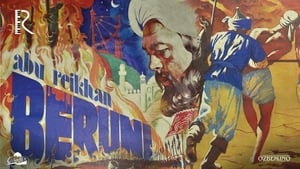
Abu Raykhan Biruni
A biographical film about one of the greatest Medieval scientists and scholars, Al-Biruni.
1974
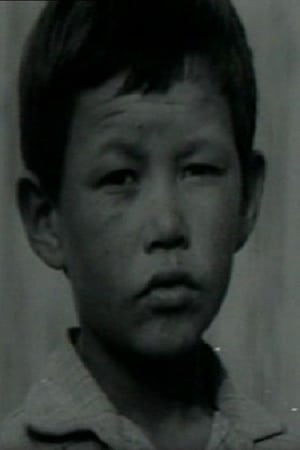
Castles in the Sand
One of the highest achievements of the new wave of Kirghiz cinema, which emerged in the mid-1960s. This story of a boy building sandcastles on the shores of the Issyk-Kul Lake becomes a documentary parable on the tensions between an artist and society.
1968
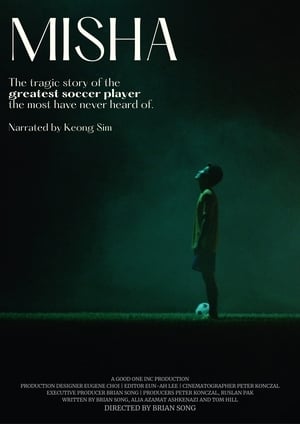
Misha
The tragic story of the greatest soccer player the most have never heard of.

Leica – A Century of Vision
LEICA - A CENTURY OF VISION shows how the invention of the 35mm format revolutionized documentary photography. Featuring legendary and contemporary photographers the film reveals the camera's enduring power to capture history as it unfolds.
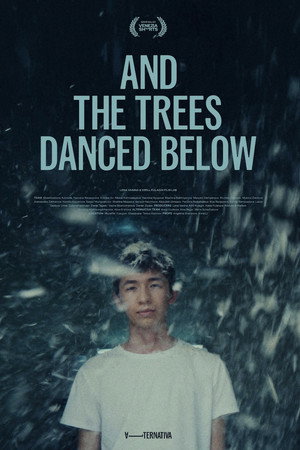
And the Trees Danced Below
Uzbek youth confess their dreams, take flight, and negotiate the reality around them. Directed by Kirill Kulagin. In this documentary directed by Kirill Kulagin, Uzbek teenagers share their innermost dreams. And rather than talk of only fantasies, these dreams unearth the reality these youth face and how they negotiate with it. In Central Asia, talking about oneself can seem impolite. From an outsider perspective, emotions in this culture are only spoken about indirectly, lest they “air [their] dirty laundry in public.” But talking about dreams can break through this social barrier. For the film, Kulagin ran filmmaking labs with Uzbek youth to explore their real stories and real feelings surrounding dreams. These dreams served as jumping-off points to discuss deeper fears and desires, which turned into metaphors and a visual language based on how they navigated the boundaries of intimacy.