Watch Tóxico, Texaco, Tóxico (2007) Online Free
The imagination of history in Ecuador never thought that oil, “its redeeming hope”, discovered in the Lago Agrio No. 1 well, was going to mean the beginning of the worst environmental catastrophe on the planet. Thirty years of operation and exploitation of the Texaco company, forever transformed the rivers and estuaries, the forests and the life of the indigenous communities in the northern Amazon of Ecuador.
Cast
Diana Borja
More Like This
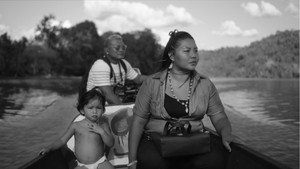
Parasisi
On the border of Surinam and French Guyana, indigenous Wayana territory is overrun by intruders. Illegal gold miners poison the river, missionaries repress indigenous identity, and even doctors with the best intentions leave marks that are often silently violent. The Wayana call these intruders Parasisi.
2026

The Lost Children
After a plane crash, four indigenous children fight to survive in the Colombian Amazon using ancestral wisdom as an unprecedented rescue mission unfolds.
2024

Guyane, vivre avec le jaguar
2024

Ozogoche
Cuviví is the Ecuadorean indigenous name for the upland sandpiper, a wading bird that has special significance for the communities living around the Ozogoche lakes in the middle of the Andes. Each year, these birds migrate south from North America. Around September they pass the Ozogoche lakes, where large numbers then “commit suicide,” plunging from great heights into the ice-cold water. A girl lives near the lake. Her uncle lives in the US, and she might be heading there herself. In the meantime, she awaits the arrival of the cuvivís, few of which have appeared in recent years. The lakes are drying up.
2023
Taking Back Our Beach
This is a film about the response by a community to New Zealand’s largest environmental disaster, seen through the eyes of that community. The film captures the shock, anger and grief driven into the heart of the local community, but also the humour, purpose and overwhelming positivity when people join together with a common goal.
2023
Bancoco
A New Yorker journeys to the jungle in the Darien Gap of Panama to reconnect with an indigenous tribe he met and photographed 20 years ago. Their reunion highlights the profound power of photos and the human connection that transcends cultural barriers.
2023
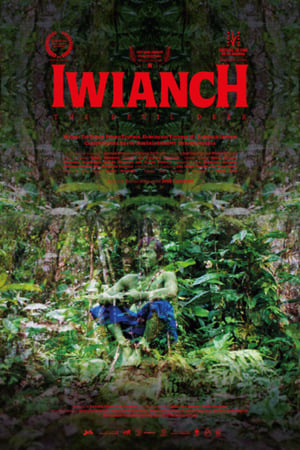
Iwianch, the Devil Deer
An enigmatic presence haunts the depths of the Amazon rainforest, where an indigenous Achuar teenager has disappeared. During the search for the young man, his family decides to consult with a Shaman, who, immersed in trance, reveals that the young man was taken by the devil, but that he has intervened by showing him the way back to his home. While waiting for his return, secrets of the rainforest and Amazonian visions of life after death are touched, vanishing the documentary filmmaker’s concepts of reality.
2021
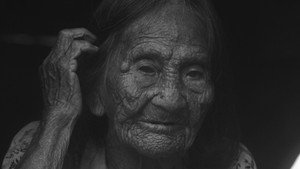
The End of Eternity
Every two weeks, the world loses a language and with it, a piece of human history. Ese Eja is one of the language in danger of extinction. Many stories and myths have been forgotten, but through dreams, the memory of the ancestors fight for remaining in the Ese Eja community.
2018
The Road Forward
The Road Forward is an electrifying musical documentary that connects a pivotal moment in Canada’s civil rights history—the beginnings of Indian Nationalism in the 1930s—with the powerful momentum of First Nations activism today. Interviews and musical sequences describe how a tiny movement, the Native Brotherhood and Sisterhood, grew to become a successful voice for change across the country. Visually stunning, The Road Forward seamlessly connects past and present through superbly produced story-songs with soaring vocals, blues, rock, and traditional beats.
2017
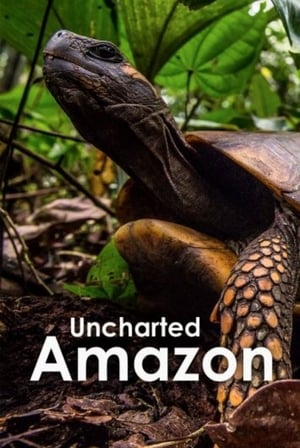
Uncharted Amazon
Deep in the jungles of Peru, a silky anteater is fighting to stay awake and a mother humming bird is struggling to raise her chick. Through millions of years of evolution they have developed bizarre relationships and unexpected strategies to overcome them changing conditions, but for all their ingenuity, they were never prepared for the arrival of a new species on the scene.
2016
Beyond Pollution
Barker White documents the environmental impact of the massive BP spill.
2012
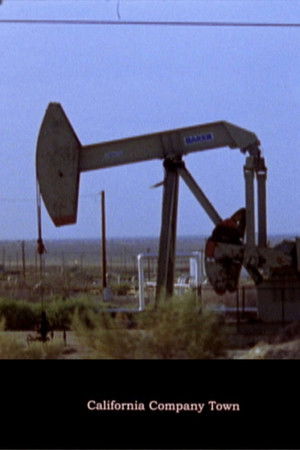
California Company Town
Lee Anne Schmitt explores California's landscape and past to document the history of one-time boom towns built and abandoned by the industries that necessitated their creation. Sold as a limitless land expansive with free opportunity, California was actually, from its onset, fissured by the interwoven needs of private and public interests. Schmitt's film covers various locations through time, as the major industries of the early 20th century (mining, lumber, oil) give way to the military, eventually leading to multinational corporations, and the use of small towns as satellites for growing urban metropolises.
2008
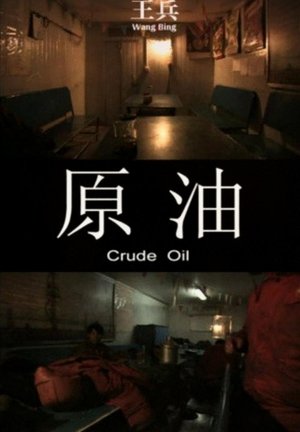
Crude Oil
Filmed in the Inner Mongolian portion of the Gobi Desert, this film follows a group of oil field workers as they go about their daily routine.
2008

Fahrenheit 9/11
Michael Moore's view on how the Bush administration allegedly used the tragic events on 9/11 to push forward its agenda for unjust wars in Afghanistan and Iraq.
2004
Anaconda: Giant Snake of the Amazon
No animal in the Amazon is more feared and more respected than the 'spirit of the river' - The Anaconda
1999
Fuel-Less, You Can’t Be Cool Without Fuel
A spoof on the movie “Clueless” – follows high-school queen Crystal through the worst day of her young, pampered life. It seems that everything in her life derived from oil has disappeared: her makeup, Daddy’s credit card, gasoline for her beloved BMW and aspirin for her growing stress headache — all gone. But with a little guidance from Miss Watkins, her “extremely cool science teacher,” Crystal gets a better understanding of where oil comes from, how it is processed and how the products made from oil impact our everyday lives.
1996
Don Emilio and His Little Doctors
Don Emilio is a humble, 63-year-old man who lives in the Amazon rainforest, seven miles from the city of Iquitos, Peru. For all of his adult life he has worked as a curandero and vegetalista, a traditional healer. He estimates that in his career he has treated more than 2,500 clients. Through the camera lens of anthropologist Luis Eduardo Luna, Don Emilio tells us about his practice, his beliefs, his community, and his life. He shows us how he prepares ayahuasca and other herbal medicines. Finally, we see Don Emilio treat a man who has come to him for help, and hear from a poor woman who has brought her infant son for medical care.
1982
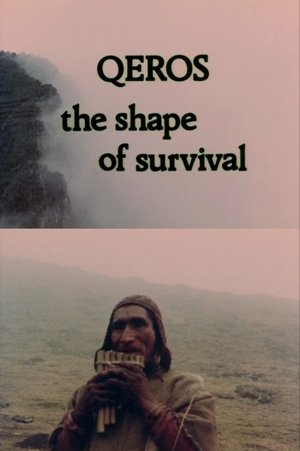
Q'eros: The Shape of Survival
Exploration of the way of life of the Q’eros Indians of Peru, who have lived in the Andes for more than 3,000 years.
1979
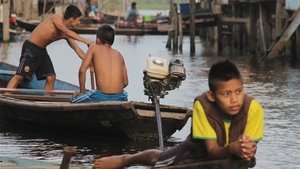
El Río
“El Río” aims to illustrate the unique relationship between the indigenous people of the Peruvian Amazon and their land. By drawing attention to and discussing the differences between western ideologies and those found in the Amazon, the documentary increases awareness of the emotional and spiritual effects of environmental resource depletion.
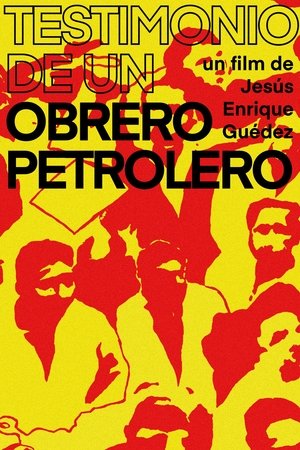
Testimonio de un obrero petrolero
Through the testimony of Manuel Taborda, a pioneer of labor organizing in Venezuela’s oil fields, this documentary revisits the experiences of oil workers between 1920 and 1936. Their memories reveal a world marked by corporal punishment, exploitation, racial segregation, and disease, alongside the emergence of collective resistance against the American and British oil companies that controlled the industry and the government that enabled them.
1978