Watch Svonni vs Skatteverket (2020) Online Free
A Sámi woman fights for her right to claim a tax deduction against the purchase of a dog. Why the Swedish authorities fail to recognize the dog's use as a reindeer herding tool versus a pet opens up a larger discussion about Indigenous rights and economic discrimination in this humorous takedown of the Swedish government's ignorance of Sámi culture.
More Like This
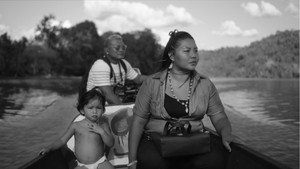
Parasisi
On the border of Surinam and French Guyana, indigenous Wayana territory is overrun by intruders. Illegal gold miners poison the river, missionaries repress indigenous identity, and even doctors with the best intentions leave marks that are often silently violent. The Wayana call these intruders Parasisi.
2026

Trump's America - Power, Change, Resistance
With his ultra-conservative policies, US President Donald Trump is disrupting the global order as well as US institutions and society. Filmed less than one year after the start of his second mandate, this documentary analyses the concrete impact of his policies on the American people.
2026
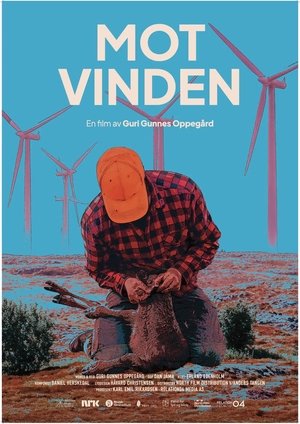
Mot vinden
2025
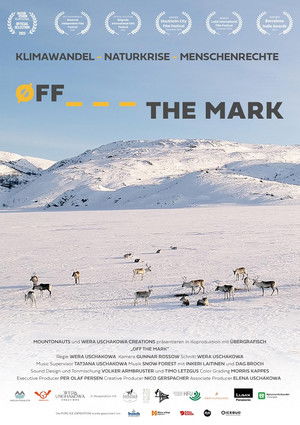
Off the Mark
Off The Mark is a documentary about a world-first dog sled expedition in Finnmark, Norway, in the middle of the polar night in search of microplastics and indigenous solutions to the climate crisis.
2025
Northlore
Weaving animation and live action, Northlore delves into the transformational stories of people living in Canada’s North and their deep connection to the land and its wildlife.
2025
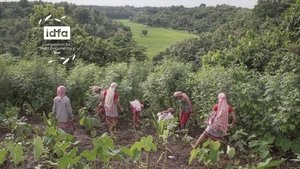
Echoes Within
“Can I be nostalgic about something I’ve never experienced?” asks debut filmmaker Pranami Koch. She has in mind her grandmother, a person she never knew who belonged to the Koches, a people in India with their own culture and traditions. In her search for connection and identity, Pranami travels to the countryside and immerses herself in the Koch community.
2024

The Lost Children
After a plane crash, four indigenous children fight to survive in the Colombian Amazon using ancestral wisdom as an unprecedented rescue mission unfolds.
2024
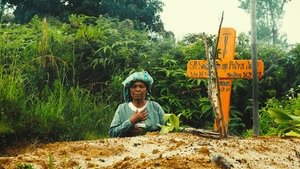
Motherland Memories
Ompung Putra Boru, a sixties indigenous Batak woman from Humbang Hasundutan, North Sumatra, retraces her life stories through photographs that interweave her past and present as a wife, mother, healer and indigenous land defender in two neighboring villages. Her multi-layered stories are juxtaposed with visual records of everyday life in the two villages, where people’s living space is still increasingly threatened by a giant pulp expansion.
2022
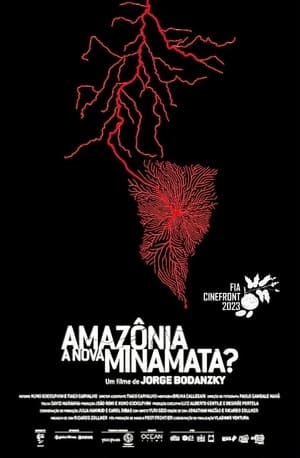
Amazônia, a Nova Minamata?
2022
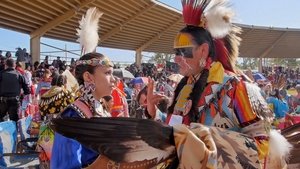
Kímmapiiyipitssini: The Meaning of Empathy
Follow filmmaker Elle-Máijá Tailfeathers as she creates an intimate portrait of her community and the impacts of the substance use and overdose epidemic. Witness the change brought by community members with substance-use disorder, first responders and medical professionals as they strive for harm reduction in the Kainai First Nation.
2021
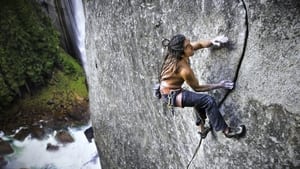
Deep Roots
Lonnie Kauk’s personal journey to honor his indigenous Yosemite roots, and to connect with his legendary father by repeating his iconic climbs.
2020
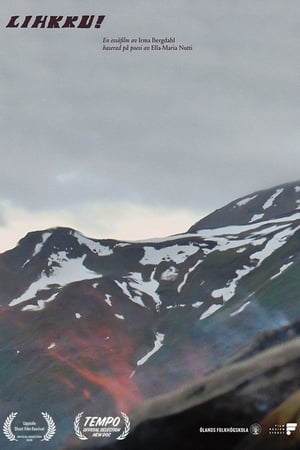
LIHKKU!
An essay film about how it may feel to grow up as a young Sami in Sweden, with poetry written by Ella-Maria Nutti and graphics by Irma Bergdahl. The partying of a typical teenager together with the labels put on you that wont go away, the questions which are thrown on you as knives in the back. A tribute to our ancestors who fought for our rights and a declaration of love to the young Samis who continues to fight
2020
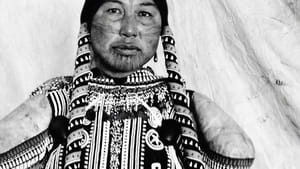
Tunniit: Retracing the Lines of Inuit Tattoos
Inuit traditional face tattoos have been forbidden for a century, and almost forgotten. Director Alethea Arnaquq-Baril, together with long-time friend and activist Aaju Peter, is determined to uncover the mystery and meaning behind this beautiful ancient tradition. Together they embark on an adventure through Arctic communities, speaking with elders and recording the stories of a once popularized female artform. Central to the film is Arnaquq-Baril’s personal debate over whether or not to get tattood herself. With candour and humour, she welcomes us into her world, to experience firsthand the complex emotions that accompany her struggle. Past meets present in this intimate account of one woman’s journey towards self-empowerment and cultural understanding.
2011
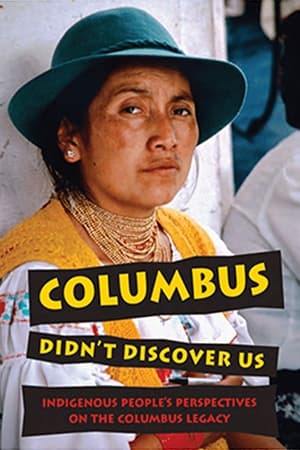
Columbus Didn't Discover Us
The historic gathering of three hundred indigenous activists from North, South and Central America who met in Quito, Ecuador, in July 1990 to organize a cross-continental indigenous resistance to the Columbus Quincentennial.
1992
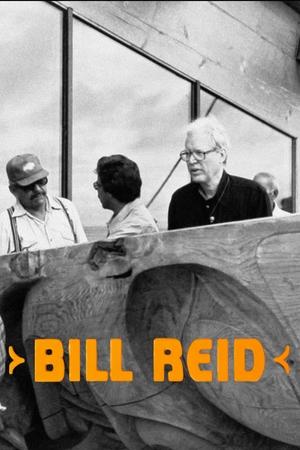
Bill Reid
Follows Haida artist Bill Reid, from British Columbia. A jeweller and wood carver, he works on a traditional Haida totem pole. We watch the gradual transformation of a bare cedar trunk into a richly carved pole to stand on the shores of the town of Skidegate, in the Queen Charlotte Islands of B.C.
1979
Cree Hunters of Mistassini
An NFB crew filmed a group of three families, Cree hunters from Mistassini. Since times predating agriculture, this First Nations people have gone to the bush of the James Bay and Ungava Bay area to hunt. We see the building of the winter camp, the hunting and the rhythms of Cree family life.
1974
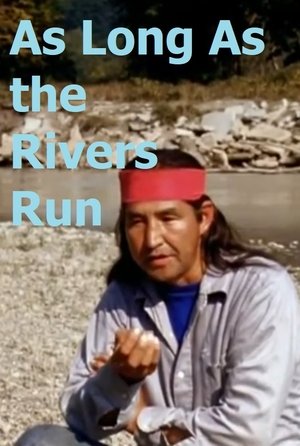
As Long as the Rivers Run
Examines the violence and civil disobedience leading up to the hallmark decision in U.S. v. Washington, with particular reference to the Nisqually Indians of Frank's Landing in Washington.
1971

This Was the Time
When Masset, a Haida village in Haida Gwaii (formerly known as the Queen Charlotte Islands), held a potlatch, it seemed as if the past grandeur of the people had returned. This is a colourful recreation of Indigenous life that faded more than two generations ago when the great totems were toppled by the missionaries and the costly potlatch was forbidden by law. The film shows how one village lived again the old glory, with singing, dancing, feasting, and the raising of a towering totem as a lasting reminder of what once was.
1970
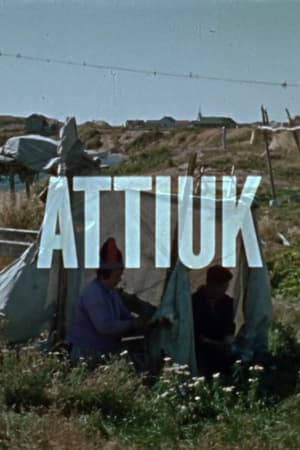
Attiuk
The people of Unamenshipu (La Romaine), an Innu community in the Côte-Nord region of Quebec, are seen but not heard in this richly detailed documentary about the rituals surrounding an Innu caribou hunt. Released in 1960, it’s one of 13 titles in Au Pays de Neufve-France, a series of poetic documentary shorts about life along the St. Lawrence River. Off-camera narration, written by Pierre Perrault, frames the Innu participants through an ethnographic lens. Co-directed by René Bonnière and Perrault, a founding figure of Quebec’s direct cinema movement.
1963
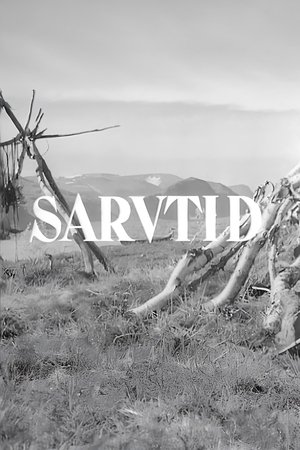
Time for Common Rudd
Also known as Reindeer Time and Inheritance, this 9-minute short by Arne Sucksdorff documents the Sámi people’s autumn migration as they guide their reindeer herds back to the forest lands. Blending ethnographic observation with lyrical nature imagery, the film follows the reindeer through mountain landscapes, calving, herding, and branding, underscoring the deep interdependence of humans, animals, and the northern environment.
1944