Watch Soy dominicano (2024) Online Free
More Like This
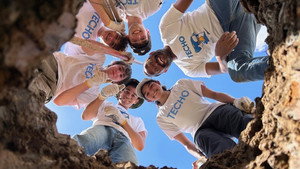
The Little Dominican House
On March 27, 2026, ten students and two teachers set course for the Dominican Republic. Their mission? To change a family's future.
2026
The Downfall of an Island
A documentary that explores the complex shared history and current sociopolitical state between Haiti and the Dominican Republic.
2026
Dando Pelo
2026

Bittersweet
A coming-of-age story set in the Dominican Republic, where a group of young aspiring bachata musicians seek answers to love and life through their music. Filmed at the Academia de Bachata, the world's first bachata music school. Featuring maestro Martires de Leon, guitarist and arranger for Romeo Santos.
2026

Wifredo: El legado de un genio del lente
The career and legacy of Spanish-Dominican photographer Wifredo García.
2025
El Pico Duarte
2025

Artesanos
2025
Sueños Dorados
2025

Ercilia Pepín: ejemplo de enseñanza, patriotismo y dignidad
The life of Dominican teacher, patriot and activist Ercilia Pepín.
2025

Rock del Caribe: Versión República Dominicana
The history of 70 years of Dominican rock.
2024

I Live Where You Vacation, Contrastes Naturales Vol. IV. El Sur
2024

Empatia por Ulises
2023

Dominican Republic: The Island of Treasures
The Dominican Republic is the second largest and most biodiverse country in the Caribbean. Known for the warmth and hospitality of its people, the Dominican Republic offers a mind-blowing nature, an exciting history and rich culture.
2022
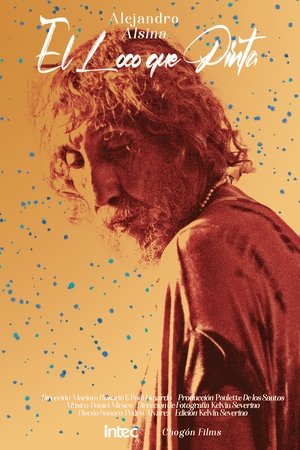
El Loco que Pinta
Alejandro Alsina is a Dominican painter who, through his art and eccentricity, has earned a place among the most recognized street artists in the Colonial Zone of Santo Domingo. But behind his iconic smile and wild lifestyle lies a story that few could even begin to imagine.

I Live Where You Vacation, El Árbol de la Vida Vol. I. Samaná

Los Fantasmas del Jefe
The past drags itself into the present day, taking us back to the era of the Dominican Republic's greatest dictator, while we explore the traces of Nazism in the corners of the island. This short documentary borders on a dark and little-known aspect of Dominican history, taking the viewer on a subversive journey through time and memory.
2024
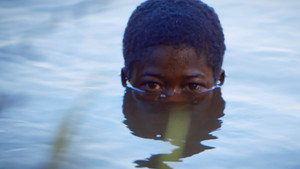
Stateless
Director Michèle Stephenson’s new documentary follows families of those affected by the 2013 legislation stripping citizenship from Dominicans of Haitian descent, uncovering the complex history and present-day politics of Haiti and the Dominican Republic through the grassroots electoral campaign of a young attorney named Rosa Iris.
2020

Nana
2016
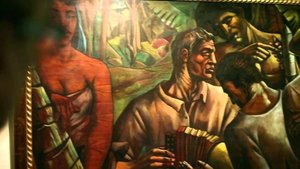
República del color
About the history of the Dominican Republic's visual arts from the perspective of color given by the incidence of light in the island, alongside the historical events that defined its master artists.
2015

Ballplayer: Pelotero
Two top baseball prospects in the Dominican Republic face fierce competition and corruption as they chase their big league dreams.
2011