Watch Sound an Alarm (1971) Online Free
An instructional film released by the UK Warning and Monitoring Organization which depicts its operations in the lead-up to and aftermath of a hypothetical nuclear attack on the United Kingdom.
Cast
John Welsh, Tony Thawnton, Edward Underdown, Valerie Van Ost, Michael Smee, Larry Martyn, Guy Standeven, Ian Patterson, Richard Butler, John Graham, Brian Forster, Michael McStay
More Like This
The War Game at Cinecity
When Peter Watkins’ banned nuclear war masterpiece "The War Game" reached Toronto in 1967, it found an unlikely home at Cinecity, a new cinema determined to challenge audiences. Drawing on archival research and eyewitness accounts, this documentary explores the film’s enduring impact and the role Cinecity played in shaping Canadian film culture.
2026
Highway
Found-footage short film about the paths connecting our global lives. Also, a plea against genocide.
2024

The Neutron Bomb
We've all heard of the atomic bomb, but in the late 1950s, an idea was conceived of a bomb which would maximize damage to people, but minimize damage to buildings and vital infrastructure: perfect for an occupying army. This is the story of a man and his bomb: a melding of world events and scientific discovery inspire the neutron bomb, one of the most hated nuclear weapons ever invented.
2022
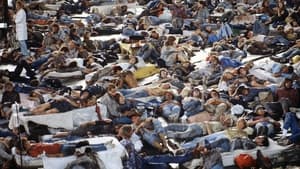
Television Event
An archive-based feature documentary viewing the dramatic climax of the Cold War through the lens of the ABC network, as it narrowly succeeds in producing the most watched, most controversial made-for-TV movie, THE DAY AFTER (1983). With irreverent humor and sobering apocalyptic vision, this film reveals how a commercial broadcaster seized a moment of unprecedented television viewership, made an emotional connection with an audience of over 100 million and forced an urgent conversation with the US President on how to collectively confront and resolve the most pressing issue of the time - nuclear proliferation.
2020
1983: The Brink of Apocalypse
This programme recalls the events that led up to one of the most dangerous moments in the entire history of the Cold War: a NATO command post exercise, code named Able Archer 83, which caused the USSR to believe that NATO was planning a genuine nuclear attack.
2007
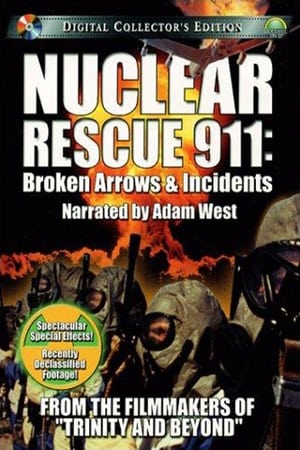
Nuclear Rescue 911: Broken Arrows & Incidents
Since 1950, there have been 32 nuclear weapon accidents, known as "Broken Arrows." A Broken Arrow is defined as an unexpected event involving nuclear weapons that result in the accidental launching, firing, detonating, theft or loss of the weapon. To date, six nuclear weapons have been lost and never recovered.Now, recently declassified documents reveal the history and secrecy surrounding the events known as "Broken Arrows". There have been 32 nuclear weapon accidents since 1950. Six of these nuclear weapons have been lost and never recovered. What does this say about our defense system? What does this mean to our threatened environment? What do we do to rectify these monumental "mistakes"? Using spectacular special effects, newly uncovered and recently declassified footage, filmmaker Peter Kuran explores the accidents, incidents and exercises in the secret world of nuclear weapons.
2001
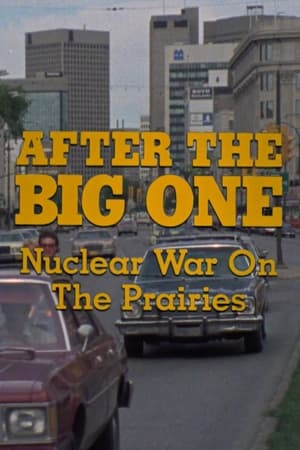
After the Big One: Nuclear War on the Prairies
This film deals straightforwardly with the consequences of a nuclear attack for the Canadian Prairies. The Prairies are singled out because of their proximity to huge stockpiles of intercontinental ballistic missiles located in North Dakota. Scenes include a visit to a missile base and to an emergency government bunker in Manitoba. A doctor, a farmer and a civil defence coordinator provide different perspectives on nuclear war. Although the film focuses on one region, it provides a model for people everywhere who would like to know more about their own situation but don't know what questions to ask.
1982
A Guide to Armageddon
A documentary film about the effects of nuclear weapons. What would be the effects on people and buildings if one medium-sized nuclear bomb was dropped on a large city? How effectively would various types of shelter protect us? In an experimental trial, two couples live in fallout shelters for ten days each.
1982
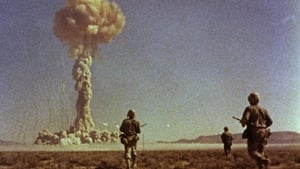
The Atomic Cafe
A disturbing collection of 1940s and 1950s United States government-issued propaganda films designed to reassure Americans that the atomic bomb was not a threat to their safety.
1982

Race to Oblivion
Documentary about the dangers of the nuclear arms race, including an interview with an eyewitness of the bomb drop on Hiroshima and scientific statements describing the devastating consequences of a nuclear war.
1982
First Strike
Dramatization of a devastating nuclear strike against the United States by the Soviet Union, followed by interviews with analysts and military figures. Produced by the United States Air Force.
1979
Your Chance to Live: Nuclear Disaster
Portrays the challenges of creating a film about nuclear disaster amid public apathy. It captures behind-the-scenes moments as the crew discusses the gravity of nuclear threats, the importance of preparation, and the emotional impact of a nuclear attack. The narrative emphasizes the need for individuals to take responsibility for their safety and community in the event of an attack, blending factual information with a call to action.
1974
Your Chance to Live: Winter Storm
Intercuts scenes from Jack London's To build a fire with modern urban and rural winter scenes to point out the dangers of winter storms and low temperatures. Designed to stimulate discussion on civil preparedness for winter storms.
1972
Operations in Public Shelters
A heavily dramatized Civil Defense film that demonstrates how a public fallout shelter is supposed to function after a nuclear attack. This scenario takes place in a fictional any town called "Middlebury". The film describes the situation in a public shelter in Middlebury following an attack on the United States.
1963
Information Program Within Public Shelters
This Cold War film "Information Within Public Shelters" (1953) takes place in a fallout shelter, showing how a well-trained staff that provides information to shelter occupants, can keep them busy and calm during nuclear armageddon. This film was produced as the U.S. Government began to shift from promoting privately-owned "family" fallout shelters to the concept of large, public shelters.
1963
Planning For Emergence From Public Shelters
A training film for public shelter managers explaining when people should be allowed to leave the shelter after a disaster.
1963
Learning From Disappointment
In this Coronet instructional film, we learn how to manage and self regulate our emotions when it comes to dealing with short comings and disappointments.
1961
Walt Builds a Family Fallout Shelter
A man named Walt who has recently completed building a fallout shelter in his home, a project initiated due to the threat of nuclear war during the Cold War era. Walt demonstrates to his friends the multi-functionality of the shelter, which can also serve as a darkroom, an extra bedroom, or a safe space during tornadoes. He explains the construction process in detail, emphasizing the need for precise measurements, proper leveling, and the use of concrete blocks for radiation protection. The shelter includes a stock of essentials like a radio, batteries, and a fire extinguisher. Walt’s narrative is interspersed with advice on obtaining official bulletins for guidance and the importance of building shelters correctly. The film concludes with a message from the Director of the Office of Civil and Defense Mobilization, advocating for the construction of family fallout shelters across America as a means of personal safety and national security in the nuclear age.
1960
Alert Today - Alive Tomorrow
This short shows how the city of Reading, Pennsylvania would implement civil defense procedures to help residents survive a nuclear attack. Through a network of volunteers, makeshift hospitals would be set up, auxiliary police officers would maintain order, and other elements of the civil defense program would be put in place.
1956
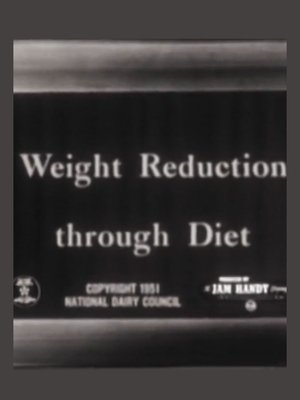
Weight Reduction Through Diet
Film by the National Dairy Council about how to lose weight by adjusting daily caloric intake. Discusses the dangers of being overweight and the importance of maintaining a healthy weight through proper diet. It follows a group of overweight individuals, including students and adults, who participate in a weight reduction program at Michigan State College. The program involves a low-calorie diet plan, regular physical activity, and close monitoring of food intake. The participants are taught how to select nutritious foods, control portion sizes, and make healthier choices to achieve and maintain a healthy weight. The video shows the progress of the participants over a period of several months, highlighting successful weight loss and improved overall health.
1951