Watch Sign of the Times: The Story of New Zealand's Visual Language (2007) Online Free
Sign of the Times is the first feature length documentary about New Zealand's Deaf community, their language and culture. It is an inspiring, emotional, and very moving story told straight from the very heart of the Deaf community. I n April 2006 New Zealand Parliament declared New Zealand Sign Language (NZSL) to be an official language - the culmination of a 20-year battle by the deaf community, and a true hallmark in the recognition of their native language. Sign of the Times is about the Deaf New Zealanders who fought to have their language recognised as a real language and as a viable means of communication The film documents the community's celebration of the official recognition of their language and looks at the community's ongoing hopes and aspirations for their language and culture. This is your invitation to take a journey into the Deaf world.
Cast
Alan Wendt
More Like This

Into the Basement
A documentary team in small town New Zealand investigate claims by scared locals that their kids have turned into devil worshipers, only to find out the truth has been grossly overstated.
2024
Taking Back Our Beach
This is a film about the response by a community to New Zealand’s largest environmental disaster, seen through the eyes of that community. The film captures the shock, anger and grief driven into the heart of the local community, but also the humour, purpose and overwhelming positivity when people join together with a common goal.
2023
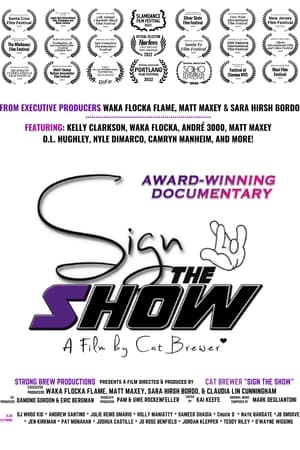
Sign the Show
Sign The Show: Deaf Culture, Access and Entertainment is a feature-length documentary providing insight into Deaf culture and the quest for access to entertainment. It brings together entertainers, the Deaf and Hard of Hearing (HOH) community, and American Sign Language interpreters to discuss accessibility at live performances in a humorous, heartfelt, and insightful way.
2023
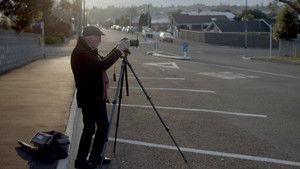
Richard Wotton: Moments Later
A photographer explores the seldom noticed architecture in his home town.
2022
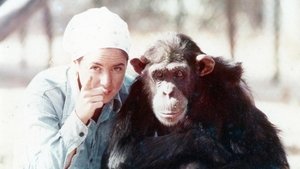
Lucy the Human Chimp
The profound story of Lucy Temerlin, a female chimpanzee raised as human from birth in a domestic environment, and Janis Carter, the woman who took on the seemingly impossible task of giving her a new life in the wild.
2021
The World at Arm's Length
Sven has a dream. Once in his life he wants to walk the Camino de Santiago - the Way of St. James. But that seems impossible, Sven has Usher syndrome, a disease which slowly, inexorably robs him of hearing and vision. Profoundly deaf and completely blind since 2010, he can only communicate using a special hearing aid in the spoken language.
2018

Kim Dotcom: Caught in the Web
The larger-than-life story of Kim Dotcom, the 'most wanted man online', is extraordinary enough, but the battle between Dotcom and the US Government and entertainment industry—being fought in New Zealand—is one that goes to the heart of ownership, privacy and piracy in the digital age.
2017
Champions Factory: New Zealand's Black Blood
2015
River Deep, Mountain High: James Nesbitt in New Zealand
James Nesbitt moved to New Zealand in 2011 when he landed the role of Bofur in Peter Jackson's Hobbit trilogy, but he says the country remains largely unknown to him. Travelling more than 1,000 miles from the tip of the North Island down to the South, the actor finds out more about the place he has called home, visiting areas of natural beauty and learning about the nation's history and traditions. Along the way, he meets former All Blacks player the late great Jonah Lomu, takes a trip around film star Sam Neill's vineyards in Queenstown, catches up with Peter Jackson and goes Base-jumping from the tallest building in Auckland.
2013
Operation 8
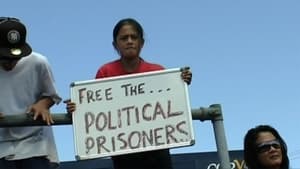
Operation 8 examines the so-called 'anti-terror' raids that took place around New Zealand on October 15, 2007 - asking how and why they took place and at what cost to those targeted.
2011
Audism Unveiled
In American Sign Language (ASL) with subtitles available in English, Spanish and Canadian French. This powerful documentary uses real life experiences from Deaf people of varied social, racial, and educational boundaries showing how this form of oppression does lasting and harmful damage. Bonus materials include directors' comments from Ben Bahan and H-Dirksen Bauman and additional scences. Teachers: This film is a wonderful tool for beginning ASL students, as an introduction to a side of Deaf culture that cannot be found in any textbook.
2003
In a Land of Plenty
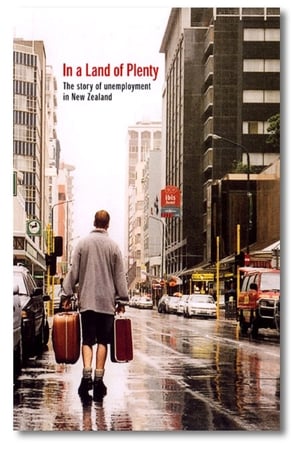
The story of unemployment in New Zealand and In A Land of Plenty is an exploration of just that; it takes as its starting point the consensus from The Depression onwards that Godzone economic policy should focus on achieving full employment, and explores how this was radically shifted by the 1984 Labour government. Director Alister Barry's perspective is clear, as he trains a humanist lens on ‘Rogernomics' to argue for the policy's negative effects on society, as a new poverty-stricken underclass developed.
2002
Quest for the Ring
2001
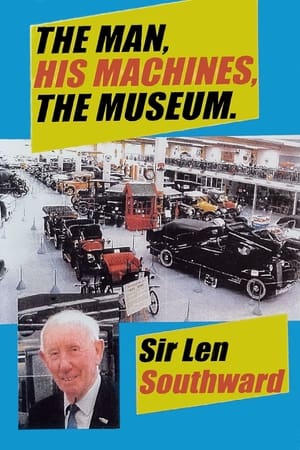
Sir Len Southward: The Man, His Machines, The Museum
A documentary about Sir Len Southward OBE and his collection of vehicles at his Southward Car Museum in Paraparaumu, New Zealand, among the largest car museums in the world.
1998
Backroom Troubles
Women talk about the circumstances that drove them to seek illegal abortions and the often traumatic result. Interwoven with historical photographs and newsreel footage, the stories expose how the reality of women's lives were counterposed to what was socially and morally expected of them.
1997
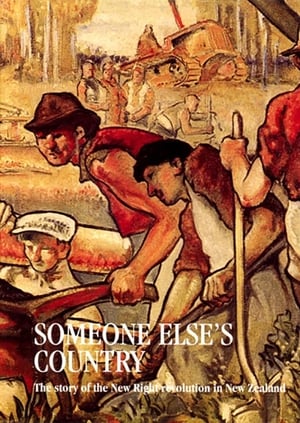
Someone Else's Country
Someone Else’s Country looks critically at the radical economic changes implemented by the 1984 Labour Government - where privatisation of state assets was part of a wider agenda that sought to remake New Zealand as a model free market state. The trickle-down ‘Rogernomics’ rhetoric warned of no gain without pain, and here the theory is counterpointed by the social effects (redundant workers, Post Office closures). Made by Alister Barry in 1996 when the effects were raw, the film draws extensively on archive footage and interviews with key “witnesses to history”.
1996
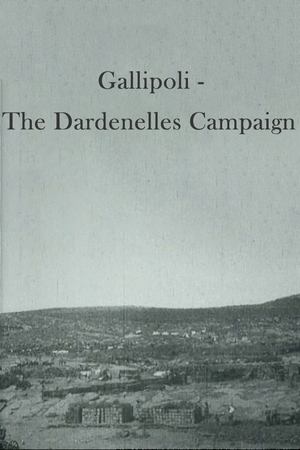
Gallipoli - The Dardenelles Campaign
An overview of one of the greatest disasters of the first World War WWI - the Dardanelles Campaign at Gallipoli, Turkey.
1996
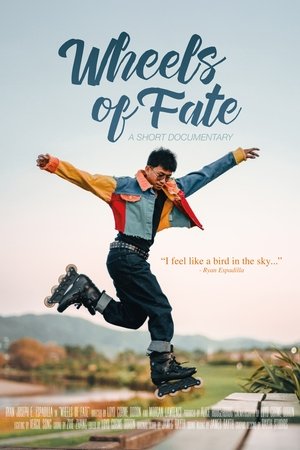
Wheels of Fate - A Short Documentary Film
Wheels of Fate is a short documentary film about identity, belonging and acceptance. It reflects on Ryan Espadilla's experience immigrating to New Zealand. This film features the euphoria and sanctuary of inline skating as Ryan reveals inner struggles, trials and aspirations as he journeys towards a sense of belonging. It captures observation that speaks to the intricacies of the immigrant experience and the passion of inline skating.
Skin Pics
A bold reveal of a rose tattoo opens this 1980 documentary on tattooing in New Zealand. The potted history includes visits to tattoo parlours on K' Road and Hastings, and the studios of industry legends Steve Johnson and Roger Ingerton. Tattooists discuss public stigma, people's reasons for getting inked, and popular designs: sailors, serpents, swallows and tā moko. Made for documentary slot Contact, Skin Pics chronicles a time when "folk art has become high art".
1980
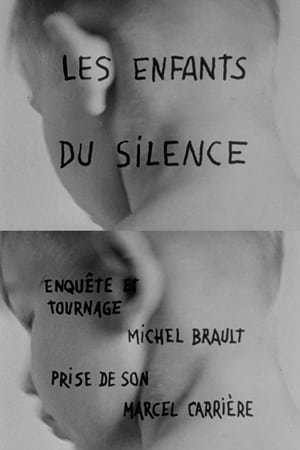
Children of Silence
This film looks at the world of children with hearing loss and the importance of early diagnosis. With its straightforward, rigorous cinematic style and intimate approach to the subject, the film focuses on the human rather than the technical side of the problem of hearing impairment.
1962