Watch She Who Must Be Loved (2018) Online Free
A documentary that tells the epic life story of Alfreda Glynn, 78-year-old Aboriginal woman, stills photographer, co-founder of the Central Australian Aboriginal Media Association (CAAMA), and Imparja TV, mother, grandmother, great grandmother, radical, pacifist, grumpy old woman, who in equal measure loves the limelight and total privacy. Part bio-pic, part social history, it details the life of a woman born beneath a tree north of Alice Springs in 1939, her childhood living under the Aboriginal Protection policies and the impact, both good and bad they had on her life.
Cast
Freda Glynn
More Like This
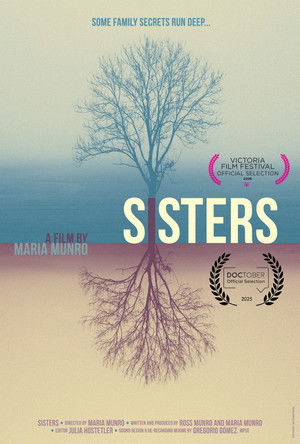
Sisters
“Sisters” is a deeply personal story about my journey back to my home country of Venezuela to investigate the possibility of a long lost sister.
2026

The King of Color
At 96, Lawrence Herbert reflects on his life, from his Depression-era Brooklyn upbringing to creating the Pantone Matching System, which revolutionized the worldwide use of color.
2025
Ngadjuri - Spirit And Songs Of Country
A film collaboration between Quenten Agius (Aboriginal storyteller) and Kim Mavromatis (mixed media producer). Filmed on Ngadjuri country, Mid North and Southern Flinders Ranges region of South Australia. The film incorporates 10 years of archival material, shot with 8 different cameras, including 3 drones and a mobile phone camera.
2025
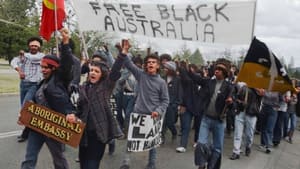
Still We Rise
50 years on, the Aboriginal Tent Embassy is the oldest continuing protest occupation site in the world. Taking a fresh lens this is a bold dive into a year of protest and revolutionary change for First Nations people.
2022
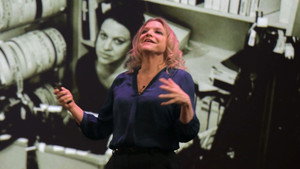
Brainwashed: Sex-Camera-Power
Investigates the politics of cinematic shot design, and how this meta-level of filmmaking intersects with the twin epidemics of sexual abuse/assault and employment discrimination against women, with over 80 movie clips from 1896 - 2020.
2022
Reason for Seeing: Correspondence I
When she realizes that her grandmother, the woman who raised her, is losing her sight, the director decides to explore the bond that unites them through the episodes of non-vision that these three generations share, the memories of the past, the misunderstandings and the new memories they seek to have in common.
2022
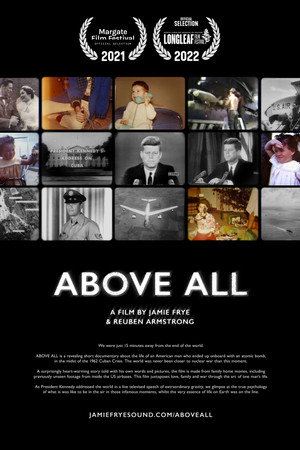
Above All
We were just 15 minutes away from the end of the world. ABOVE ALL is a revealing short documentary about the life of an American man who ended up onboard with an atomic bomb, in the midst of the 1962 Cuban Crisis. The world was never been closer to nuclear war than this moment. A surprisingly heart-warming story told with his own words and pictures, the film is made from family home movies, including previously unseen footage from inside the US airbases. This film juxtaposes love, family and war through the arc of one man’s life. As President Kennedy addressed the world in a live televised speech of extraordinary gravity, we glimpse at the true psychology of what is was like to be in the air in those infamous moments, whilst the very essence of life on Earth was on the line.
2022

$avvy
$avy investigates the historical, cultural, and societal norms around women and money.
2021
War Baby
Meet Duewand Collier Jr.-Male, 68 years old, American Citizen, a child conceived in the backdrop of the Philippines-American Mutual Defense Treaty, born and raised with Catholic guilt. He has made peace with his past and now tells his story-a story of love.
2019

The Judge
A verité legal drama about Judge Kholoud Al-Faqih, the first woman appointed to a Shari'a court in the Middle East, whose career provides rare insights into both Islamic law and gendered justice.
2017
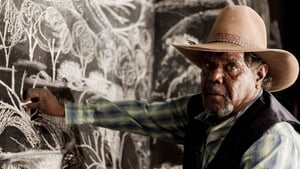
Namatjira Project
From the remote Australian desert to the opulence of Buckingham Palace - Namatjira Project is the iconic story of the Namatjira family, tracing their quest for justice.
2017
Terry Pratchett: Back in Black
A poignant and humorous film telling the life story of the hugely popular author of the discworld series of books, in his own words.
2017

Four Faces of the Moon
Follow the animated journey of an Indigenous photographer as she travels through time. The oral and written history of her family reveals the story — we witness the impact and legacy of the railways, the slaughter of the buffalo and colonial land policies.
2016
this river
Join a grassroots collective of volunteers as they search Winnipeg’s Red River and its banks for clues to find out what happened to their missing family and friends. The documentary demonstrates the devastating experience of searching for a loved one who didn't come home with profundity and humanity.
2016
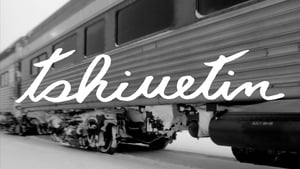
Tshiuetin
Take a breathtaking train a ride through Nothern Quebec and Labrador on Canada’s first First Nations-owned railway. Come for the celebration of the power of independence, the crucial importance of aboriginal owned businesses and stay for the beauty of the northern landscape.
2016
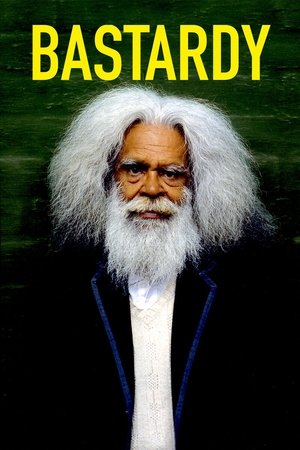
Bastardy
Provocative, funny and profoundly moving, Bastardy is the inspirational story of a self proclaimed Robin Hood of the streets. For Forty years and with infectious humour and optimism, Jack Charles has juggled a life of crime with another successful career- acting
2008
The Last of the Nomads
Like an antipodean version of Romeo and Juliet, it emerges that Warri and Yatungka became the last nomads because they had married outside their tribal laws and eloped to the most inaccessible of regions. In 1977 the land was stricken by a severe drought and their tribal elders mounted a search for them with the help of a party of white men led by Dr Bill Peasley and one of their own number, a childhood friend named Mudjon. The film takes Dr Peasley back into the desert to relive his momentous journey with Mudjon and culminates with poignant archival footage of the elderly couple found naked and starving.
1997
A Film for Discussion
A docu-drama shot in 1970, but not completed until 1973, the film sought to encapsulate in an experimental form issues that were under discussion within the Women’s Liberation Movement at this time and to thus contribute to action for change. In its numerous community screenings, active debate was encouraged as part of the viewing experience.
1973
The Dreamtime
The Europeans want to be forgiven for the tragic colonial period. The aborigines try to preserve their ancient roots from the present and the future. In the North Territory.
Foster Child
Gil Cardinal searches for his natural family and an understanding of the circumstances that led to his becoming a foster child. An important figure in the history of Canadian Indigenous filmmaking, Gil Cardinal was born to a Métis mother but raised by a non-Indigenous foster family, and with this auto-biographical documentary he charts his efforts to find his biological mother and to understand why he was removed from her. Considered a milestone in documentary cinema, it addressed the country’s internal colonialism in a profoundly personal manner, winning a Special Jury Prize at Banff and multiple international awards.
1987