Watch Santiago's Path: Disappearance and Death of Santiago Maldonado (2018) Online Free
Santiago Maldonado disappeared in the midst of repression against a Mapuche community that claimed to Luciano Benetton for his land. His body was found 78 days later. The need for truth and justice continues
Cast
Darío Grandinetti
More Like This
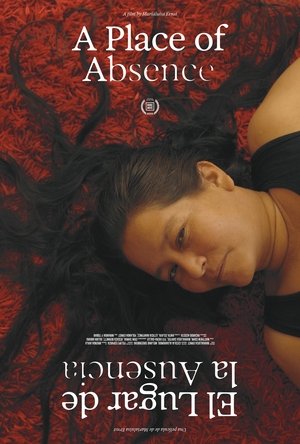
A Place of Absence
This poetic film follows director Marialuisa's journey with Anita and Leticia, Central American women traveling with the Caravan of Mothers of Missing Migrants.
2025
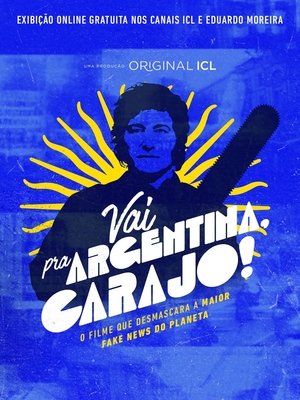
Go to Argentina, Damn It!
The production investigates the so-called "economic miracle" of Javier Milei's government, contrasting the official discourse with the reality faced by the Argentine population. Filmed in Buenos Aires in August, the documentary features testimonies from citizens, economists, and social leaders, offering a direct portrait of the human impacts of the Argentine president's ultraliberal plan.
2025
Ecos del Fuego
2025
Abrazando la Patagonia
2025
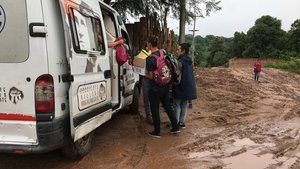
Las Brigadistas
tells the experience of a group of medical students who travel to the north of Argentina to assist different indigenous communities that suffer the dispossession of their lands and structural poverty.
2024

Proyecto muerto v6 (6).mp4
2024

El oficio de buscar a Inés
On the night of July 19, 1977, Inés was traveling by bus when a military patrol detained all the passengers. That morning, almost everyone was released except Inés. Her father began a never-ending search that led him to the very center of Argentina's repressive apparatus. The judicial path and the love of a family that never stops.
2022
Archivos VIH/sida: historias y voces de una pandemia
2021

Transitory
Diego Tejerina, a prisoner with temporary releases, uses his knowledge of sociology to reflect on freedom and confinement.
2019

Memorias de Borges
Documentary about the life and work of Jorge Luis Borges, from his own memories and reflections.
2015
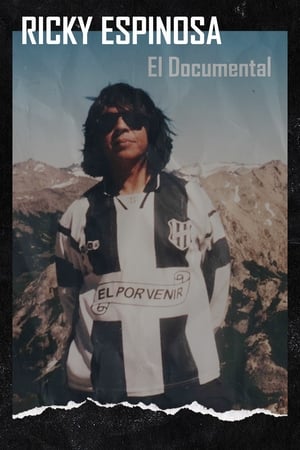
Ricky Espinosa: El Documental
Ricky Espinosa: The Documentary is a self-managed and independent project created by Juan Pablo Duarte in Buenos Aires, Argentina. It explores the life of Ricky Espinosa as an artist—his beginnings, his career, and his discography—featuring previously unreleased archival material and exclusive interviews.
2015

Match 64: The Maracanã
A documentary following the day life of fans in Brazil on July 13, 2014: the day when Germany and Argentina met up in the finals of FIFA World Cup.
2015
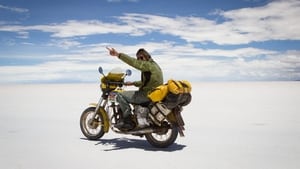
Trabantem až na konec světa
The third installment in Dan Přibáň's series of travel documentaries describes the author's journey with his friends across South America in vehicles that are often notorious but cult in their own way. The charming dynamics of the group on screen are further enhanced by the high-quality craftsmanship.
2014
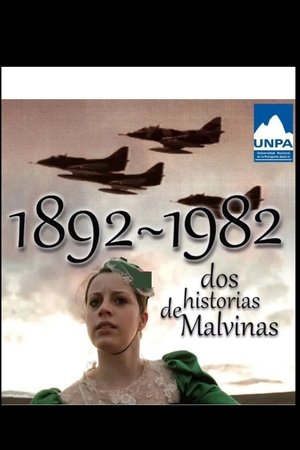
1892 1982 Dos Historias de Malvinas
It is a fictionalized documentary, filmed in different locations (San Julián; Estancia La Colmena; Morón, Province of Buenos Aires; Capital Federal and Islas Malvinas). The original idea of the project is to reflect the historical and paradoxical connection that unites continental Patagonia with the Islas Malvinas. It is a story that recreates several moments, both the arrival of Islas Malvinas settlers and the departure of Argentine pilots on combat missions during the 1982 war. The documentary is filmed in a cinematic style, but also incorporates the most rigorous documentary logic: interviews, narration, and careful historical research into the events.
2012
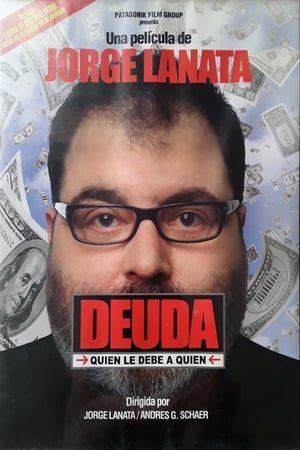
Debt
DEBT is the story of a frantic pursuit: the search for the responsible for the televised cry of hunger of Barbara Flores, an eight-year-old Argentinean girl. Buenos Aires, Washington, the IMF, the World Bank and Davos; corruption and the international bureaucratic lack of interest.
2004

Rule Britannia
A detailed account of each of the details of the Malvinas War based on interviews, dramatic scenes, maps and other elements of historical roots without ignoring the historical antecedents from the 18th century that ended in this confrontation.
1996

'78 Cup - The Power of Football
Documentary about the Football World Cup held in Argentina in 1978, focusing on the competition and behind the scenes of the most important soccer competition in the world. Two versions of the 1978 official film exist, the first "Copa 78 - O Poder do Futebol" was made by Brazilian directors Maurício Sherman and Victor di Mello in 1979 but was later withdrawn by FIFA because of its controversial content. The film includes an interview with Rodolfo Galimberti, one of the leaders of the Montoneros guerrilla group and also made accusations that the Argentinian competition organisation committee had deliberately hindered Brazilian chances of success by tampering with the pitch at Mar del Plata.
1979
Secrets of the Bermuda Triangle
Part documentary/part dramatization, this film details several of the highest-profile unsolved cases of disappearances, mysterious changes in personality and other strange occurrences related to the Bermuda Triangle.
1978
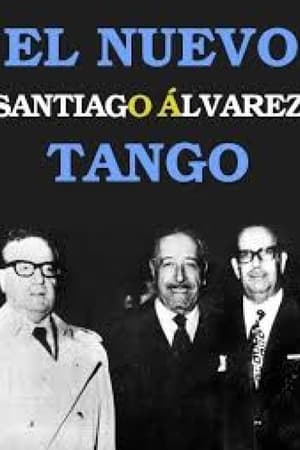
The New Tango
The New Tango (El Nuevo Tango) was not shown in Argentina for a long time as it deals with the ascent of Argentinean president Hector Campora in May 1973, and features Cuban and Chilean presidents, Osvaldo Dorticos and Salvador Allende. A million people gathered on the Plaza de Mayo to acclaim the new President. One of Cámpora's first presidential actions was a granting of amnesty to political prisoners who where jailed during the dictatorship. On 28 May Argentina restored diplomatic relations with Cuba, which then received Argentine aid - such as food and industrial products - to break the United States embargo against Cuba.
1973