Watch Riða (2025) Online Free
Loading Cinehub...
More Like This
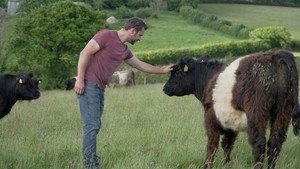
Six Inches of Soil
The inspiring story of British farmers standing up against the industrial food system and transforming the way they produce food - to heal the soil, benefit our health and provide for local communities.
2024
Voyages au centre de la Terre : Dans les pas de Jules Verne
2023
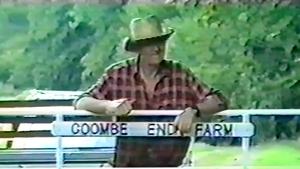
A Life on the Farm
A strange story from Somerset, England about a filmmaking farmer and the inspiring legacy of his long-lost home movies.
2023
Heimaland
For centuries the inhabitants of the Icelandic village Vík í Mýrdal maintained a mystique relationship with the nearby volcano 'Katla'. Today the tide has turned; the volcano is used to lure tourists and create economic prosperity. In the villagers' search for wealth, they gradually become strangers in their own habitat.
2022
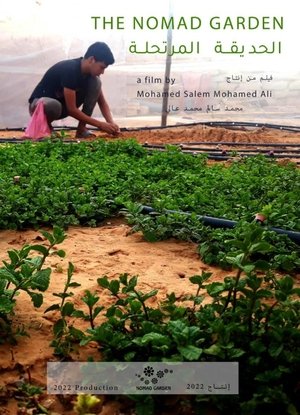
The nomad garden
The Nomad Garden is an ode to the impossible. A young Sahrawi refugee shows how he grows organic vegetables and herbs in one of the most inhospitable places on Earth, overcoming challenges like the lack of water, extreme temperatures and a barren soil.
2022
Desert strawberries
Sahrawi artist and visual poet Mohamed Sleiman Labat follows the story of the emerging phenomenon of small scale family gardens in his local community in the Hamada Desert. The film features the story of four families in Samara Camp with small scale gardens, their practices and the knowledge they develop as part of their practices in the garden. The camps are located in a very harsh environment with extreme climate conditions, and the Sahrawi are still dependent on international food aid.
2021
A Hong Kong Farmer’s Lot
The documentary offers a glimpse into the life of a farmer who worked in the fields with his father when he was young. After spending time in the city as an adult, he returns to the countryside to take over the family’s business and learns the essence of making a living from the land.
2020

The Milk System
Milk is Big Business. Behind the innocent appearances of the white stuff lies a multi-billion euro industry, which perhaps isn't so innocent…
2017
Under an Arctic Sky
Six fearless surfers travel to the north coast of Iceland to ride waves unlike anything they've ever experienced, captured with high-tech cameras.
2017
Charcot: Secret Poles
The adventures and exploits of Jean-Baptiste Charcot (1867-1936), an intrepid scientist and explorer who laid the foundations of modern oceanography.
2016
Pythéas, l'astronome voyageur
2013
Land Rush
A partnership between the Government of Mali and an American agricultural investor may see 200-square kilometers of Malian land transformed into a large-scale sugar cane plantation. Land Rush documents the hopes, fears, wishes, and demands of small-scale subsistence farmers in the region who look to benefit, or lose out, from the deal.
2012
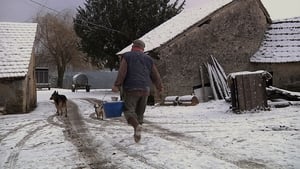
After Winter, Spring
Family farmers in southwest France practice an ancestral way of life under threat in a world increasingly dominated by large-scale industrial agriculture.
2012
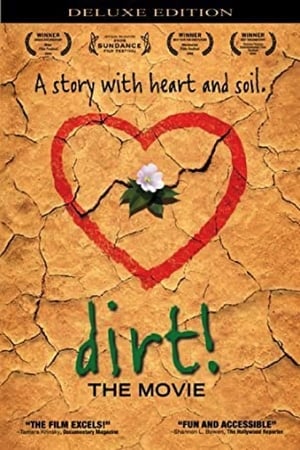
Dirt! The Movie
A look at man's relationship with Dirt. Dirt has given us food, shelter, fuel, medicine, ceramics, flowers, cosmetics and color --everything needed for our survival. For most of the last ten thousand years we humans understood our intimate bond with dirt and the rest of nature. We took care of the soils that took care of us. But, over time, we lost that connection. We turned dirt into something "dirty." In doing so, we transform the skin of the earth into a hellish and dangerous landscape for all life on earth. A millennial shift in consciousness about the environment offers a beacon of hope - and practical solutions.
2009
Rumenatomija: The Story of Brandas Addiction
Branda has hit rock bottom. Her addiction has spiralled so far out of control that medical intervention is the only option left. She's forced to confront her darkest demons in order to lick her deadly appetite, and must apply all 12 steps to her four stomachs - Branda is a cow addicted to eating plastic bags. It's easy to find humour and irony in Branda's toxic lifestyle, harder to admit that we're the ones being ridiculed.
2008
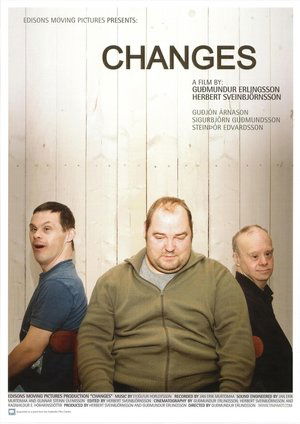
Changes
Tímamót, or Changes in English. An upbeat, heartwarming story about Gudjon, Sigurbjorn and Steinthor who lived together for decades along with several other inhabitants in the Tjaldanes Institution, in a peaceful valley close to Reykjavik. When a decision is made to close down the institution, their life takes an unexpected turn and they discover a new side to life and to themselves.
2007
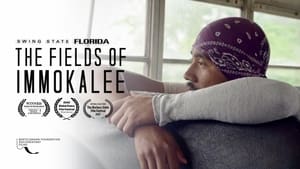
The Fields of Immokalee
For decades, migrant workers have worked the fields of Immokalee, harvesting tomatoes, peppers, eggplants, oranges and other produce that is then shipped across the United States of America. Many of the workers are undocumented, and attempting to keep their jobs even as federal migration crackdowns hover over the town. The Fields of Immokalee film follows the daily lives of tomato workers, from the 5:00am trips to the parking lot in hopes of finding day labor, to work sessions in the scorching mid-day heat, to child detention centers for migrant youth that have been separated from their families. Via these vignettes, the film offers insight into the most volatile political issue of our time.
Small Mall
A Eurovision singer, Iceland's strongest woman, a male model, a plumber who wants to direct movies. They all work in the shopping mall that this documentary focuses on ... most of them want to get out, even just to the bigger mall down the road.
2004
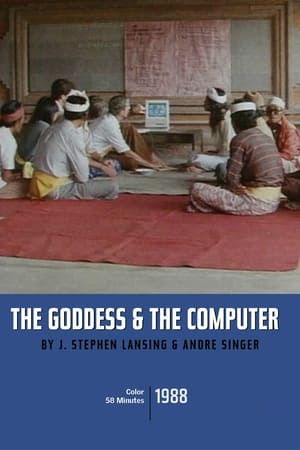
The Goddess and the Computer
For centuries, rice farmers on the island of Bali have taken great care not to offend Dewi Danu, the water goddess who dwells in the crater lake near the peak of Batur volcano. Through an analysis of ritual, resource management practices (planting schedules, irrigation vs. conservation, etc) and social organization, anthropologist Steve Lansing and ecologist James Kremer discover the intricacy and sustainability of this ancient water management agricultural system.
1988
Wheat Cycle
The people and their labor are bound to the land in the cycle of activities to the sowing to the harvesting of wheat. Without narration or subtitles, the film conveys a sense of unity between the people and the land. Filmed in the Balkh Province, an area inhabited by Tajik and other Central Asian peoples. The town of Aq Kupruk is approximately 320 miles northwest of Kabul. The theme of the film focuses on rural economics. The film and accompaning instructor notes focus on herding, and fishing under diverse environmental conditions. The impact of technological change, human adaptation, and governmental extension of market systems are parallel themes.
1975