Watch Poisoned Waters (2009) Online Free
More than two decades after the Clean Water Act was supposed to make America’s waters clean enough for swimming and fishing again, two iconic waterways — the great coastal estuaries of Puget Sound and the Chesapeake Bay — are in perilous condition. With polluted runoff still flowing in from industry, agriculture and massive suburban development, scientists fear contamination to the food chain and drinking water for millions of people. A growing list of endangered species is also threatened in both estuaries. As a new president, Congress and the states set new agendas and spending priorities, FRONTLINE correspondent Hedrick Smith examines the rising hazards to human health and the ecosystem, and why its so hard to keep our waters clean.
More Like This
When the Water Stops Flowing
Jonathan Stavleu explores, in a stream-of-consciousness video essay, the relationship people have with water and what happens when access to it is taken away. For this work, he examines anecdotal histories he has heard from Estonians, as well as stories from his own family history in the Netherlands, weaving them together into a journal-like narrative.
2026

Da Terra
Emília Pedro e Fernanda Jorge revisit childhood memories to identify over 70 land parcels inherited from their father. As physical traces fade, memory and oral tradition become the only way to 'see' what is no longer visible.
2025

Climat déréglé, santé en danger
2022
Plastique, la menace toxique
2021

The Cost of Cobalt
In the cobalt mining areas of Katanga in the Democratic Republic of the Congo (DRC), babies are being born with horrific birth defects. Scientists and doctors are finding increasing evidence of environmental pollution from industrial mining which, they believe, may be the cause of a range of malformations from cleft palate to some so serious the baby is stillborn. More than 60% of the world’s reserves of cobalt are in the DRC and this mineral is essential for the production of electric car batteries, which may be the key to reducing carbon emissions and to slowing climate change. In The Cost of Cobalt we meet the doctors treating the children affected and the scientists who are measuring the pollution. Cobalt may be part of the global solution to climate change, but is it right that Congo’s next generation pay the price with their health? Many are hoping that the more the world understands their plight, the more pressure will be put on the industry here to clean up its act.
2021
About the Forest
A post in the debate on Swedish forestry highlighting the difficulties and consequences of a hard deforestation with fast-growing forest plantations and a devastating short-sightedness. The documentary shows the vulnerability in the transition to a fossil-free society where we become increasingly dependent on the forest as a natural resource.
2021
Atomic Homefront
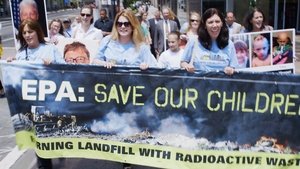
Revealing St. Louis, Missouri's atomic past as a uranium processing center for the atomic bomb and the governmental and corporate negligence that lead to the illegal dumping of Manhattan Project radioactive waste throughout North County neighborhoods.
2017

Un jour en Italie
2017
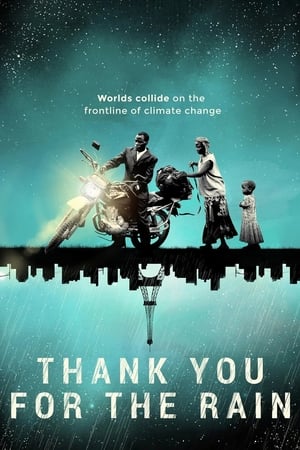
Thank You for the Rain
Five years ago Kisilu, a Kenyan farmer, started to use his camera to capture the life of his family, his village and the damages of climate change. When a violent storm throws him and a Norwegian filmmaker together we see him transform from a father, to a community leader and activist on the global stage.
2017
Sacred Cod: The Fight for a New England Tradition
A documentary following the sharp decline of the cod fishing industry in New England. Included is an in-depth look at the potential causes and the resounding effects upon the lives of the fishermen themselves.
2016
Cowspiracy: The Sustainability Secret
Follow the shocking, yet humorous, journey of an aspiring environmentalist, as he daringly seeks to find the real solution to the most pressing environmental issues and true path to sustainability.
2014
Stelvio: Crossroads of Peace
2014
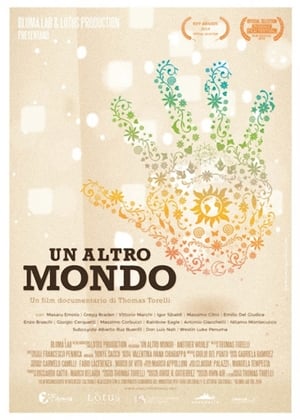
Another World
A feature documentary about the journey of mankind to discover our true force and who we truly are. It is a quest through science and consciousness, individual and planetary, exploring our relationships with ourselves, the world around us and the universe as a whole.
2014
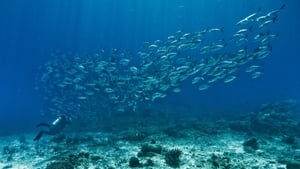
The End of the Line
Examines the devastating effect that overfishing has had on the world's fish populations and argues that drastic action must be taken to reverse these trends. Examines the imminent extinction of bluefin tuna, brought on by increasing western demand for sushi; the impact on marine life resulting in huge overpopulation of jellyfish; and the profound implications of a future world with no fish that would bring certain mass starvation.
2009
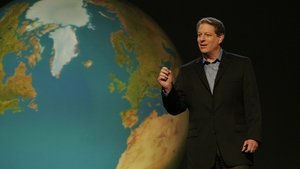
An Inconvenient Truth
A documentary on Al Gore's campaign to make the issue of global warming a recognized problem worldwide.
2006

Being Caribou
Wildlife biologist Karsten Heuer and his wife, environmentalist Leanne Allison follow a herd of 120,000 caribou on foot across 1500 km of Arctic tundra, hoping to raise awareness of the threats to the caribou's survival. Along this journey, they brave torrid conditions, dangerous wildlife and treacherous terrain all in the hopes of learning the truth about this epic migration.
2005

Shellmound
“Shellmound” is the story of how one location was transformed from a sacred center of pre-historic cultures to a commercial mecca for modern people. What began as a Native American burial ground three thousand years ago, was transformed first into an amusement park, and later an industrial age paint factory. Now, the tainted ancient soil sits beneath the glittering lights of Banana Republic, Victoria’s Secret, and the AMC movie theaters. “Shellmound” examines the decisions made during the recent toxic cleanup, excavation, and construction of the Bay Street mall through the eyes of the city of Emeryville, the developer, the archaeologists, and the native Californians who worked on the site.
2004
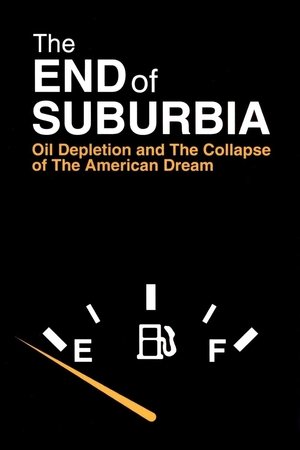
The End of Suburbia: Oil Depletion and the Collapse of the American Dream
Since World War II North Americans have invested much of their newfound wealth in suburbia. It has promised a sense of space, affordability, family life and upward mobility. As the population of suburban sprawl has exploded in the past 50 years Suburbia, and all it promises, has become the American Dream. But as we enter the 21st century, serious questions are beginning to emerge...
2004

Chernobyl Heart
This Academy Award-winning documentary takes a look at children born after the 1986 Chernobyl nuclear plant disaster who have been born with a deteriorated heart condition.
2003
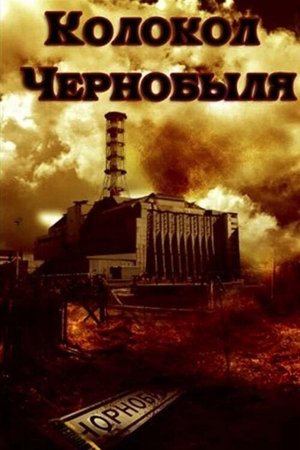
The Bell of Chornobyl
The first full-length film about the Chornobyl tragedy, filmed in May-September 1986. The authors did not set themselves the task of showing an exhaustive picture of what happened in Chornobyl. They sought to capture the testimonies of people directly involved in the tragedy, the lessons of which have yet to be realized.
1987