Watch Performing Animals; or, Skipping Dogs (1895) Online Free
A short black-and-white silent documentary film featuring one dog jumping through hoops and another dancing in a costume, which was considered lost until footage from an 1896 Fairground Programme was identified as being from this film.
More Like This
Watch the Tempo
On 18th of December 2017, the Filarmonica Teatro Regio Torino, directed by Timothy Brock, presented "The Gold Rush" by Charles Chaplin, with live performance of the soundtrack. But let's go back a few days: this short film takes us in the backstage of the concert!
2018
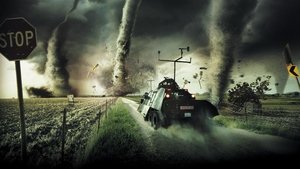
Tornado Alley
Tornado Alley documents two unprecedented missions seeking to encounter one of Earth’s most awe-inspiring events—the birth of a tornado. Filmmaker Sean Casey’s personal quest to capture the birth of a tornado with a 70mm camera takes viewers on a breathtaking journey into the heart of the storm. A team of equally driven scientists, the VORTEX2 researchers, experience the relentless strength of nature’s elemental forces as they literally surround tornadoes and the supercell storms that form them, gathering the most comprehensive severe weather data ever collected.
2011

Movie Magic & Mysteries: The Making of Sherlock Jr.
Documentary about the making of Buster Keaton's silent comedy classic, Sherlock Jr. (1924).
2010
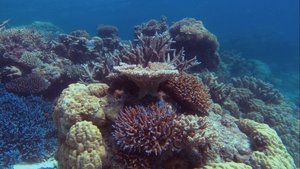
Ocean Wonderland 3D
Shot on the Great Barrier Reef in Australia and in the Bahamas, Ocean Wonderland brings to you the amazing beauty of the many varieties of coral and the immense diversity of the marine life thriving there.
2003
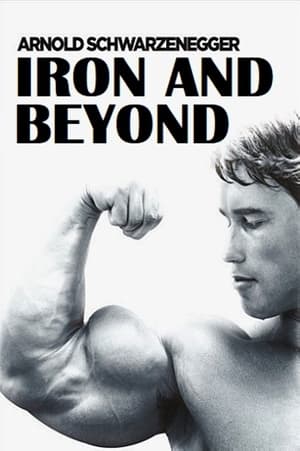
Iron and Beyond
This short documentary explores just how the film Pumping Iron revolutionized the fitness industry and created an international icon in Arnold Schwarzenegger. It also touches on what Hollywood's idea of an action star was and is.
2002
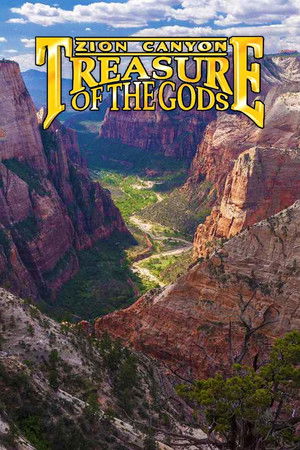
Zion Canyon: Treasure of the Gods
A breathtaking view of Zion National Park filmed originally in the IMAX format.
1996
Sculptures for a Windless Space
A short film with shots of sculptures by Anneke Walvoort. The materiality of film plays an important role: visible grain, flashes of colour, unexpected camera movements.
1995
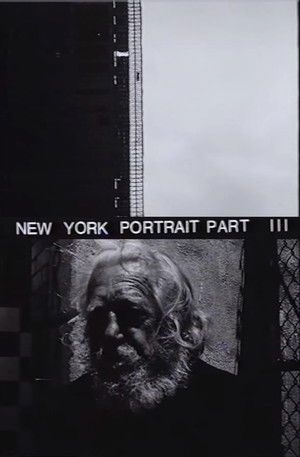
New York Portrait, Chapter III
"[Hutton’s] latest urban film, New York Portrait, Chapter III, takes on a unique tone in relation to Hutton’s ongoing exploration of rural landscape. The very fact that Hutton is dealing with older footage, with archives of memory more than immediacy, gives it a different texture than his earlier New York films. Hutton always found the presence of nature in the city, not only in his many shots of sky and vegetation, but also in the geometry and texture of the city itself, which seemed to project an independence from the human." (Tom Gunning)
1990
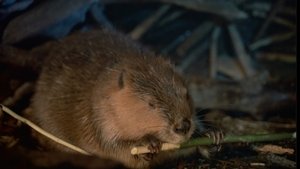
Beavers
A story about several beaver families in their wild surroundings. The interesting process of building a dam can be watched as well as the dangers arising from hungry bears and other influences on the new-built home.
1988
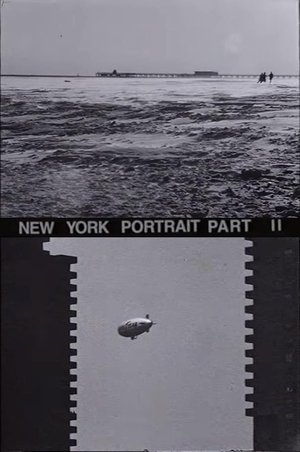
New York Portrait, Chapter II
Chapter Two represents a continuation of daily observations from the environment of Manhattan compiled over a period from 1980-1981. This is the second part of an extended life's portrait of New York.
1981
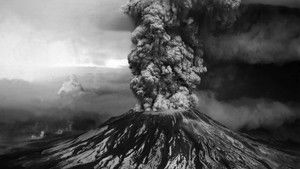
The Eruption of Mount St. Helens!
Originally shown in IMAX theaters, this film presents highly detailed and lavish views of the gorgeous scenery of the Pacific Northwest, both as they appeared before the top 1,300 feet of Mount St. Helens was blown into the sky and during the disaster's dramatic aftermath.
1980
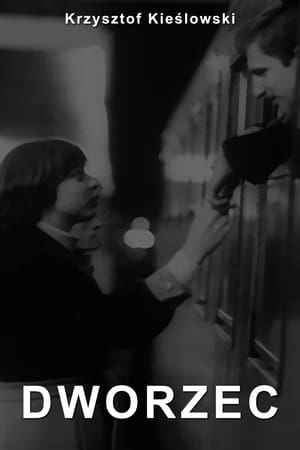
Railway Station
Warsaw's Central Railway Station. 'Someone has fallen asleep, someone's waiting for somebody else. Maybe they'll come, maybe they won't. The film is about people looking for something.
1980

Powers of Ten
A scientific film essay, narrated by Phil Morrison. A set of pictures of two picnickers in a park, with the area of each frame one-tenth the size of the one before. Starting from a view of the entire known universe, the camera gradually zooms in until we are viewing the subatomic particles on a man's hand.
1977
Clouds
Clouds 1969 by the British filmmaker Peter Gidal is a film comprised of ten minutes of looped footage of the sky, shot with a handheld camera using a zoom to achieve close-up images. Aside from the amorphous shapes of the clouds, the only forms to appear in the film are an aeroplane flying overhead and the side of a building, and these only as fleeting glimpses. The formless image of the sky and the repetition of the footage on a loop prevent any clear narrative development within the film. The minimal soundtrack consists of a sustained oscillating sine wave, consistently audible throughout the film without progression or climax. The work is shown as a projection and was not produced in an edition. The subject of the film can be said to be the material qualities of film itself: the grain, the light, the shadow and inconsistencies in the print.
1969
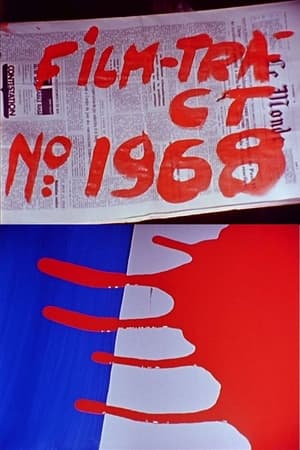
Film-Tract n° 1968
In the 1968 movement in Paris, Jean-Luc Godard made a 16mm, 3-minute long film, Film-tract No.1968, Le Rouge, in collaboration with French artist Gérard Fromanger. Starting with the shot identifying its title written in red paint on the Le Monde for 31 July 1968, the film shows the process of making Fromanger’s poster image, which is thick red paint flows over a tri-color French flag. —Hye Young Min
1968
Photographic Studies in Hypnosis: Abnormal Psychology
Silent film showcasing hypnosis and its effects.
1938
We Live in Prague
A 13-minute documentary film depicting life in Prague.
1934
Visions of Lourdes
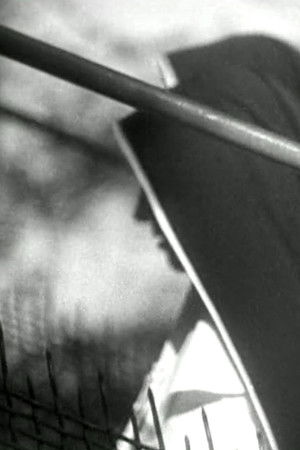
Charles Dekeukeleire, then a questioning Catholic, was spurred into making this documentary on a pilgrimage with the Catholic Young Workers’ Movement. The director’s approach is one of critical reflection; A film emotional and fervent, even acerbic.
1932
Berlin: Symphony of a Great City
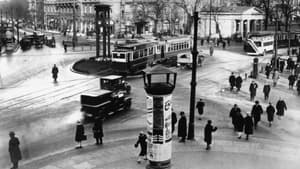
A day in the city of Berlin, which experienced an industrial boom in the 1920s, and still provides an insight into the living and working conditions at that time. Germany had just recovered a little from the worst consequences of the First World War, the great economic crisis was still a few years away and Hitler was not yet an issue at the time.
1927
Nanook of the North
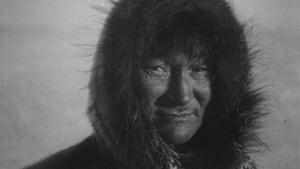
This pioneering documentary film depicts the lives of the indigenous Inuit people of Canada's northern Quebec region. Although the production contains some fictional elements, it vividly shows how its resourceful subjects survive in such a harsh climate, revealing how they construct their igloo homes and find food by hunting and fishing. The film also captures the beautiful, if unforgiving, frozen landscape of the Great White North, far removed from conventional civilization.
1922