Watch Our Nationhood (2003) Online Free
Loading Cinehub...
In this feature-length documentary, Indigenous filmmaker and artist Alanis Obomsawin chronicles the determination and tenacity of the Listuguj Mi'kmaq people to use and manage the natural resources of their traditional lands. The film provides a contemporary perspective on the Mi'kmaq people's ongoing struggle and ultimate success, culminating in the community receiving an award for Best Managed River from the same government that had denied their traditional rights.
More Like This

The Good Canadian
The world knows the image of the good Canadian. But what if there was a dark secret behind a national identity? THE GOOD CANADIAN exposes the truth behind the idea of a True North strong and free. In this unflinching and eye-opening documentary, directors Leena Minifie and David Paperny move us through the corridors of systemic inequity, from the Indian Act to residential schools, to modern-day family separation. Fusing shocking footage with detailed interviews with experts, advocates, whistleblowers and politicians, THE GOOD CANADIAN challenges national myth-making, while offering Canadians the chance to forge a new identity from the truth.
2025

Our Warrior: The Story of Robbie Thorpe
A story of resistance across generations, the power of family and the unrelenting struggle for justice in a country that remains in denial.
2025
Ngadjuri - Spirit And Songs Of Country
A film collaboration between Quenten Agius (Aboriginal storyteller) and Kim Mavromatis (mixed media producer). Filmed on Ngadjuri country, Mid North and Southern Flinders Ranges region of South Australia. The film incorporates 10 years of archival material, shot with 8 different cameras, including 3 drones and a mobile phone camera.
2025
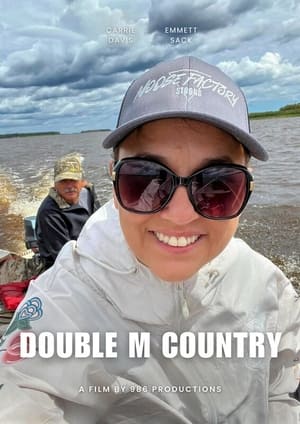
Double M Country
Carrie Davis was part of the child removal system near the end of the Sixties Scoop. With guidance from her uncle Emmett Sack and the community, Carrie reconnects to their land, language, and culture.
2023
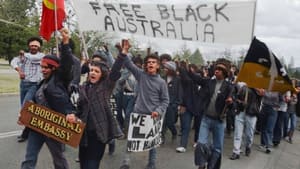
Still We Rise
50 years on, the Aboriginal Tent Embassy is the oldest continuing protest occupation site in the world. Taking a fresh lens this is a bold dive into a year of protest and revolutionary change for First Nations people.
2022
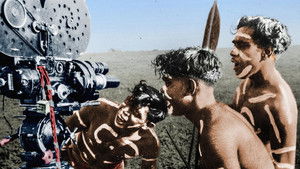
Ablaze
A feature documentary about opera singer Tiriki Onus who finds a 70-year-old silent film believed to be made by his grandfather, Aboriginal leader and filmmaker Bill Onus. As Tiriki travels across the continent and pieces together clues to the film’s origins, he discovers more about Bill, his fight for Aboriginal rights and the price he paid for speaking out.
2022
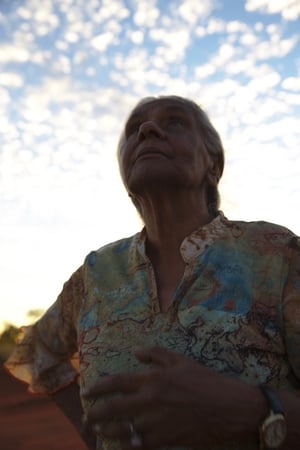
She Who Must Be Loved
A documentary that tells the epic life story of Alfreda Glynn, 78-year-old Aboriginal woman, stills photographer, co-founder of the Central Australian Aboriginal Media Association (CAAMA), and Imparja TV, mother, grandmother, great grandmother, radical, pacifist, grumpy old woman, who in equal measure loves the limelight and total privacy. Part bio-pic, part social history, it details the life of a woman born beneath a tree north of Alice Springs in 1939, her childhood living under the Aboriginal Protection policies and the impact, both good and bad they had on her life.
2018
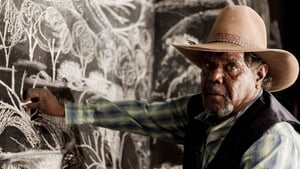
Namatjira Project
From the remote Australian desert to the opulence of Buckingham Palace - Namatjira Project is the iconic story of the Namatjira family, tracing their quest for justice.
2017
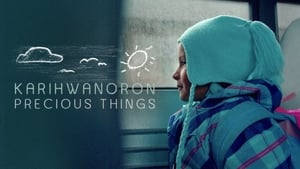
Karihwanoron: Precious Things
Yagorihwanirats, a Mohawk child from Kahnawake Mohawk Territory in Quebec, attends a unique and special school: Karihwanoron. It is a Mohawk immersion program that teaches Mohawk language, culture and philosophy. Yagorihwanirats is so excited to go to school that she never wants to miss a day – even if she is sick.
2017

Four Faces of the Moon
Follow the animated journey of an Indigenous photographer as she travels through time. The oral and written history of her family reveals the story — we witness the impact and legacy of the railways, the slaughter of the buffalo and colonial land policies.
2016
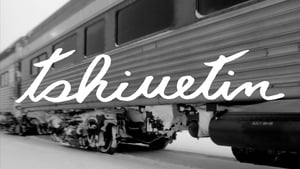
Tshiuetin
Take a breathtaking train a ride through Nothern Quebec and Labrador on Canada’s first First Nations-owned railway. Come for the celebration of the power of independence, the crucial importance of aboriginal owned businesses and stay for the beauty of the northern landscape.
2016

Buffy
Folk music icon Buffy Sainte-Marie became internationally renowned with her protest song "Universal Soldier." In this short documentary, she candidly discusses her hopes, creative vision and songwriting skills, as well as her role as an Aboriginal activist. Still a vibrant artist fifty years into her career, she keeps her eyes set on the future.
2010
The Last of the Nomads
Like an antipodean version of Romeo and Juliet, it emerges that Warri and Yatungka became the last nomads because they had married outside their tribal laws and eloped to the most inaccessible of regions. In 1977 the land was stricken by a severe drought and their tribal elders mounted a search for them with the help of a party of white men led by Dr Bill Peasley and one of their own number, a childhood friend named Mudjon. The film takes Dr Peasley back into the desert to relive his momentous journey with Mudjon and culminates with poignant archival footage of the elderly couple found naked and starving.
1997
The Dreamtime
The Europeans want to be forgiven for the tragic colonial period. The aborigines try to preserve their ancient roots from the present and the future. In the North Territory.
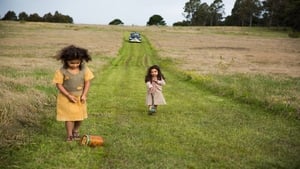
Servant or Slave
During the time of the Stolen Generations, thousands upon thousands of Aboriginal girls were taken from their families and pressed into domestic servitude by the Australian Government. They were supposedly employed as servants, but with total control over their movements, wages and living conditions, their lives all too frequently became an inescapable cycle of abuse, rape and enslavement, with consequences that echo powerfully to this day. Recounting the stories of five of these women – Rita, Violet and the three Wenberg sisters – Servant or Slave is a commanding piece of first-person testimony to a dark and unacknowledged corner of Australian history. Shot with admirable craft and humanity by documentarian Steven McGregor (Croker Island Exodus, MIFF 2012), Servant or Slave is a work of great sadness and urgency, bringing to forceful life the human tragedy of Australia's Indigenous history in the unadorned words of those who lived it.
2016
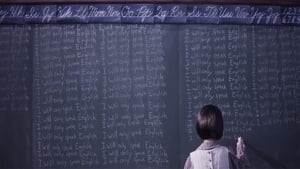
A Common Experience
A poetic exploration of the multi-generational affects of Canada's Indian Residential School system, based on the personal trials of Aboriginal playwright Yvette Nolan.
2013
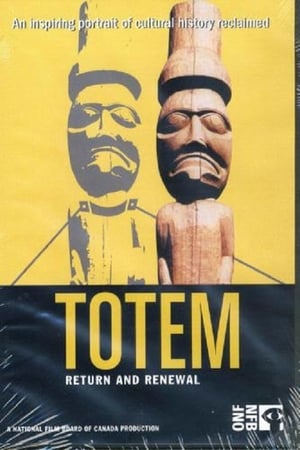
Totem: Return and Renewal
In this follow-up to his 2003 film, Totem: the Return of the G'psgolox Pole, filmmaker Gil Cardinal documents the events of the final journey of the G'psgolox Pole as it returns home to Kitamaat and the Haisla people, from where it went missing in 1929.
2007

Eye of the Storm
A documentary about Nain, a Labrador Inuit community located near the world's largest nickel and copper deposits. As commercial mining interests prepare to exploit the resources, local residents consider the potential environmental and cultural impact. Meanwhile longstanding Aboriginal land claims are unsettled.
1997
Foster Child
Gil Cardinal searches for his natural family and an understanding of the circumstances that led to his becoming a foster child. An important figure in the history of Canadian Indigenous filmmaking, Gil Cardinal was born to a Métis mother but raised by a non-Indigenous foster family, and with this auto-biographical documentary he charts his efforts to find his biological mother and to understand why he was removed from her. Considered a milestone in documentary cinema, it addressed the country’s internal colonialism in a profoundly personal manner, winning a Special Jury Prize at Banff and multiple international awards.
1987
Healing the nation
Healing the Nation follows community members of the Toronto-based Aboriginal Healing Program as they rediscover their culture to heal from unresolved trauma. This empowering documentary dares us to think beyond mainstream medicine and embrace Indigenous ways for overcoming mental health and addiction issues.