Watch One Heart: One Spirit (2017) Online Free
An Aboriginal Australian and Native American documentary narrated by award-winning actor Jack Thompson, One Heart-One Spirit tells the story of Kenneth Little Hawk, an elder Micmac/Mohawk performing artist, meeting the oldest surviving culture on the planet: the 40,000 year old Yolngu nation located in northern Australia.
Cast
Kenneth Little Hawk, Jack Thompson, Yothu Yindi
More Like This
Mot vinden
2025

The Lost Children
After a plane crash, four indigenous children fight to survive in the Colombian Amazon using ancestral wisdom as an unprecedented rescue mission unfolds.
2024
Polvere in Sala
2023

Audrey Napanangka
The story of a Warlpiri woman, Audrey, and her Sicilian partner Santo as they navigate through colonial systems to keep the children they care for together. Audrey Napanangka was born at a time when the world was changing for the people in the Central Australian Desert. Settler colonisation was permeating the desert and forced changes and the fusion of two worlds shifted Audrey’s life forever. Today, Audrey raises young people to walk in many worlds, by centering culture, language, and Law in their lives alongside mainstream education. The intimate footage filmed over 10 years in Mparntwe (Alice Springs), Yuendumu and Audrey’s Warlpiri country Mount Theo, showcases a heartwarming story about the power of kinship and family in what is known as Australia.
2023
Documentário Brasil Tupinambá
2021
Kímmapiiyipitssini: The Meaning of Empathy
Follow filmmaker Elle-Máijá Tailfeathers as she creates an intimate portrait of her community and the impacts of the substance use and overdose epidemic. Witness the change brought by community members with substance-use disorder, first responders and medical professionals as they strive for harm reduction in the Kainai First Nation.
2021
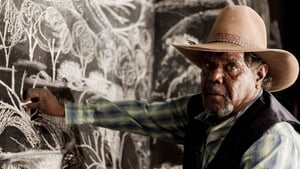
Namatjira Project
From the remote Australian desert to the opulence of Buckingham Palace - Namatjira Project is the iconic story of the Namatjira family, tracing their quest for justice.
2017
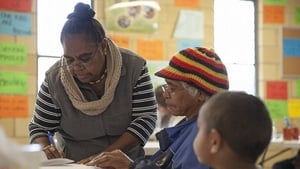
In My Own Words
The raw, heartfelt and often funny journey of adult Aboriginal students and their teachers as they discover the transformative power of reading and writing for the first time.
2017
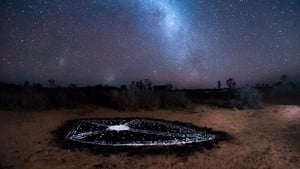
We Don't Need a Map
Filmmaker Warwick Thornton investigates our relationship to the Southern Cross, in this fun and thought provoking ride through Australia's cultural and political landscape.
2017
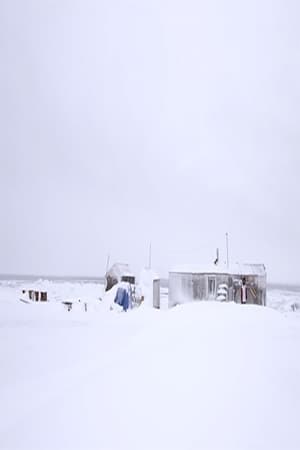
Nowhere Land
Documentary about filmmaker Bonnie Ammaaq's memories of life on Baffin Island, where her family moved for eleven years during her childhood from the hamlet of Igloolik to return to the traditional Inuit way of life.
2015
Una rosa para Soler
Pianist Rosa Torres-Pardo presents the figure of Antonio Soler. Father Soler composed one of the largest and most amazing musical corpuses in the history of Spanish music. The documentary is a journey of the pianist who set out to find lost musical scores.
2014
One of Many
A woman with indiginous roots in her 40s goes on a trip into her past: When she was four years old she had been taken away from her mother by the canadian authorities, like many others. This is her very sad story as an example for many others.
2004
Gulpilil: One Red Blood
An hour-long documentary on the life and career of actor David Gulpilil.
2002
Todo Cambia
A documentary that takes an in depth look at a government sanctioned art school in Cuba and its students. Interviews of various artists attending the school allow viewers a glimpse into their personal and professional lives.
2000
Our Indians
Yndio do Brasil is a collage of hundreds of Brazilian films and films from other countries - features, newsreels and documentaries - that show how the film industry has seen and heard Brazilian indigenous peoples since they were filmed in 1912 for the first time: idealised and prejudiced, religious and militaristic, cruel and magic.
1995
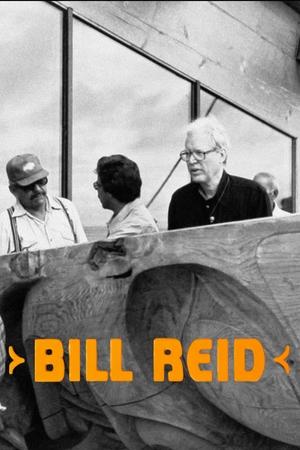
Bill Reid
Follows Haida artist Bill Reid, from British Columbia. A jeweller and wood carver, he works on a traditional Haida totem pole. We watch the gradual transformation of a bare cedar trunk into a richly carved pole to stand on the shores of the town of Skidegate, in the Queen Charlotte Islands of B.C.
1979
Potlatch...a strict law bids us dance
Presents the history of the conflict between the Canadian government and the Kwakiutl Indians of the Northwest Pacific over the ritual of the Potlatch. Archival photographs and films, wax roll sound recordings, police reports, the original potlatch files, and correspondence of agents form the basis of the reconstruction of period events, while the film centres on a Potlatch given today by the Cranmer family of Alert Bay.
1975
Cree Hunters of Mistassini
An NFB crew filmed a group of three families, Cree hunters from Mistassini. Since times predating agriculture, this First Nations people have gone to the bush of the James Bay and Ungava Bay area to hunt. We see the building of the winter camp, the hunting and the rhythms of Cree family life.
1974
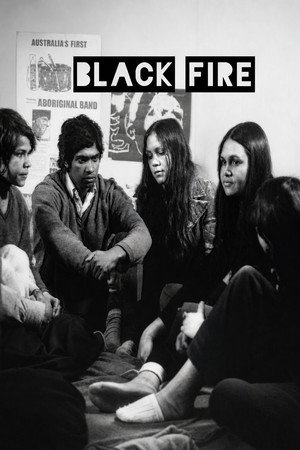
Black Fire
Long thought to be the first film ever made by an Indigenous filmmaker, Black Fire examines the situation of First Nations people in the early 1970s through politically charged discussions, comical vox pops, and interviews with luminaries of the time such as Pastor Doug Nicholls and Aboriginal Tent Embassy co-founder Bertie Williams.
1972
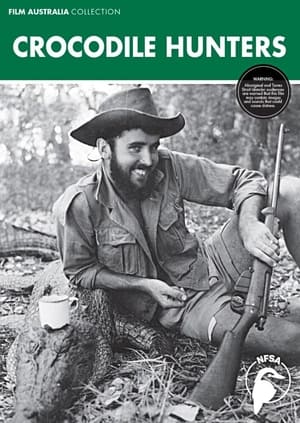
Crocodile Hunters
In the estuaries and lagoons of the Northern Territory, freshwater and saltwater crocodile are hunted for their hides by both Indigenous and non-Indigenous hunters. This film shows Aboriginal people using age-old hunting techniques to land crocs either for food or for skins. The methods employed by the professional hunters, who earn as much as 3000 pounds during the season, are also depicted, followed by a brief look at how the hides are skinned and prepared before being transported to the leather factories of Sydney and Melbourne.
1949