Watch Potlatch...a strict law bids us dance (1975) Online Free
Presents the history of the conflict between the Canadian government and the Kwakiutl Indians of the Northwest Pacific over the ritual of the Potlatch. Archival photographs and films, wax roll sound recordings, police reports, the original potlatch files, and correspondence of agents form the basis of the reconstruction of period events, while the film centres on a Potlatch given today by the Cranmer family of Alert Bay.
Cast
Gloria Cranmer Webster
More Like This

Sahel: Pátria ou Morte
For decades, the countries of the African Sahel region have been targets of colonialism and exploitation by France and other Western powers. This documentary addresses the popular resistance and new paths of development forged by Burkina Faso, Niger, and Mali after experiencing civil and military uprisings in recent years. The film explores the popular resistance that sustains the revolution in the three Sahel countries and was made after extensive coverage of the ongoing social dynamics and geopolitical disputes.
2025
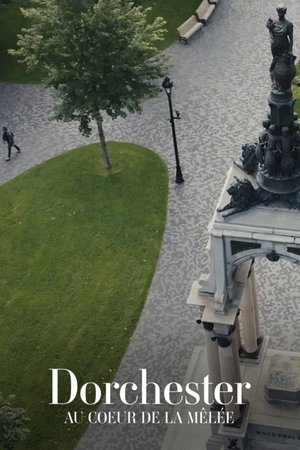
Dorchester: au coeur de la mêlée
Under Dorchester Square in Montreal lies the cemetery where 55,000 people were buried in the 19th century. The square is still at the heart of social conflicts in Quebec, 150 years later.
2025

The Lost Children
After a plane crash, four indigenous children fight to survive in the Colombian Amazon using ancestral wisdom as an unprecedented rescue mission unfolds.
2024

Chaos Glacier Country
An expedition to climb British Columbia's highest mountain goes awry in the face of bad weather, a series of comic mishaps and the stubborn insistence of its leader on using antique climbing equipment.
2024
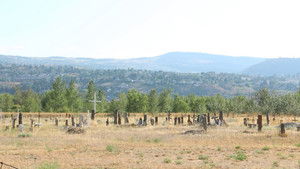
Gentleman Bandit
Documentary on the Canadian career of train robber Billy Miner, who became a folk hero in British Columbia. Locations near Kamloops and Mission are explored in present day.
2024
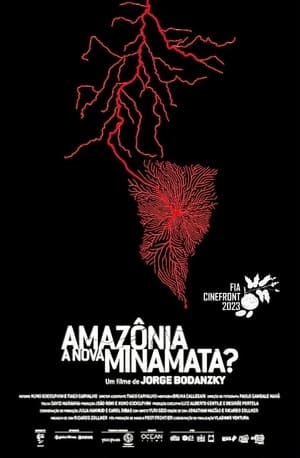
Amazônia, a Nova Minamata?
2022
Documentário Brasil Tupinambá
2021
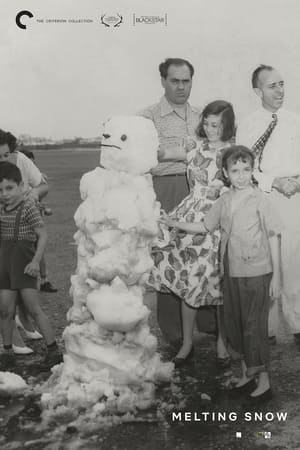
Melting Snow
Two tons of snow—flown from New Hampshire to Puerto Rico in 1952 in order to “gift” Puerto Ricans a “white Christmas”—become a metaphor for the colonialist paternalism of America’s relationship to Puerto Rico.
2021
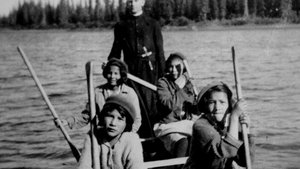
Killing the Indian in the Child
The Indian Act, passed in Canada in 1876, made members of Aboriginal peoples second-class citizens, separated from the white population: nomadic for centuries, they were moved to reservations to control their behavior and resources; and thousands of their youngest members were separated from their families to be Christianized: a cultural genocide that still resonates in Canadian society today.
2021
De Senegal hacia España y Argentina
Documentary about sub-Saharan immigration in Spain and Argentina focusing especially on the Senegalese community
2020
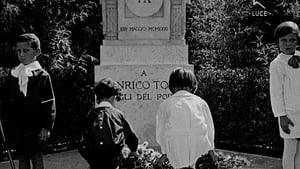
The Imperial Lullaby
The armies of Fascist Italy conquered Addis Ababa, capital of Abyssinia, in May 1936, thus culminating the African colonial adventure of the ruthless dictator Benito Mussolini, by then lord of Libya, Eritrea and Somalia; a bloody and tragic story told through the naive drawings of Pietro Dall'Igna, an Italian schoolboy born in 1925.
2020
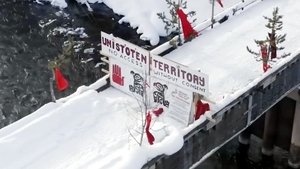
Invasion
In this era of "reconciliation", Indigenous land is still being taken at gunpoint. INVASION is a new film about the Unist'ot'en Camp, Gidimt'en checkpoint, and the Wet'suwet'en Nation standing up to the Canadian government and corporations who continue colonial violence against indigenous people.
2019
Madatrek
Embark on a journey of discovery in Madagascar with Alexandre and Sonia Poussin, Philaé, 10 years old, and Ulysse, 7 years old, along with their quirky cart pulled by zebu. Their mission was multi-faceted: to produce a documentary series, raise funds for NGOs encountered along the way, open their children's eyes to the beauty but also the fragility of the island's endemic nature, and finally to live a life of long-term, joyful simplicity. Challenges of crossing, encounters, and lessons learned will always be present in this slow-paced alternative learning journey.
2018
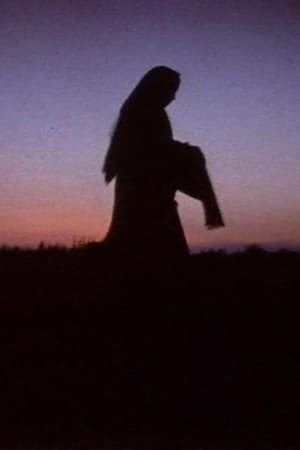
Women in the Shadows
Filmed on location in Saskatchewan from the Qu'Appelle Valley to Hudson Bay, the documentary traces the filmmaker's quest for her Native foremothers in spite of the reluctance to speak about Native roots on the part of her relatives. The film articulates Métis women's experience with racism in both current and historical context, and examines the forces that pushed them into the shadows.
1991
The Relationship
This film explores how Canada wavers between rejection and acceptance of closer ties with the United States, tracing the historical precedents of current issues between the two nations. Canada continues to question her identity despite the influence of a powerful neighbour.
1988
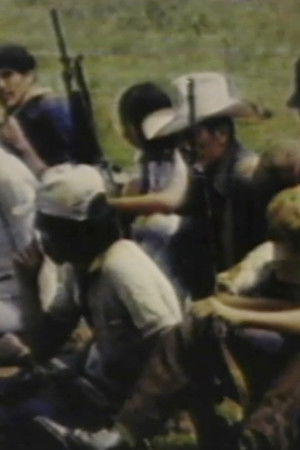
Tiempo de audacia
This documentary juxtaposes scenes of El Salvador's opposition factions, including U.S. government advisors and government troops, and guerrillas and their sympathizers.
1983

Costa Rica Banana Republic
This film was originally made for the International Conference on Human Settlements (HABITAT) which was held in Vancouver, Canada. Taking as an example the production and marketing of bananas and the prevailing conditions in the world market - dominated by the virtual monopoly of three multinational companies -, it is shown how as a result of this monopolistic domination, the Costa Rican State has stopped receiving equitable taxes for what that, in the end, the housing and public services offered by the country are characterized as those of an underdeveloped society. The attempt made since 1974 by a group of banana-producing countries, aimed at improving sales prices to multinationals and raising taxes; The resulting “banana war” are examples of the enormous efforts that small banana countries have to make to achieve greater justice in the prevailing market conditions.
1979
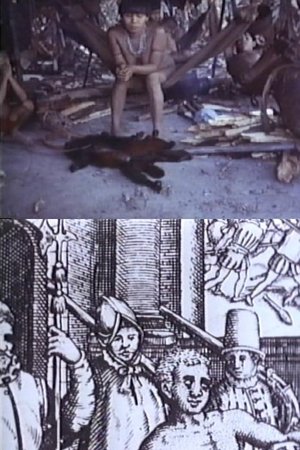
Colonial Times
Three centuries of Venezuela's history as a Spanish colony are considered from economic, political and social standpoints; evocations of the past are compared to the present. Based on the ideas and research of Federico Brito Figueroa, Alfredo A. Alfonso, Miguel A. Saignes, Josefina Jordan, and Thaelman Urgelles among others.
1976
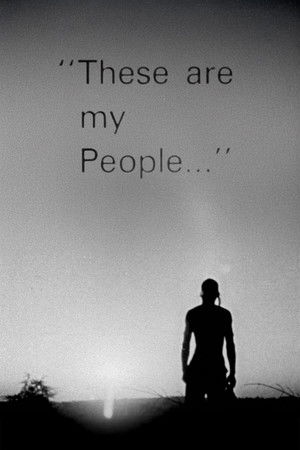
These Are My People...
This documentary short is the first film made by an all-Aboriginal film crew, training under the NFB's Challenge for Change Program. It was shot at Akwesasne (St. Regis Reserve). Two spokesmen explain historical and other aspects of Longhouse religion, culture, and government and reflect on the impact of the white man's arrival on the Indian way of life.
1969
Dawn of the Damned
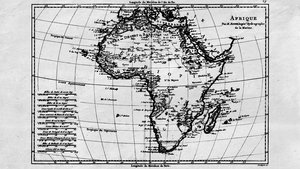
This excellent feature-length documentary - the story of the imperialist colonization of Africa - is a film about death. Its most shocking sequences derive from the captured French film archives in Algeria containing - unbelievably - masses of French-shot documentary footage of their tortures, massacres and executions of Algerians. The real death of children, passers-by, resistance fighters, one after the other, becomes unbearable. Rather than be blatant propaganda, the film convinces entirely by its visual evidence, constituting an object lesson for revolutionary cinema.
1965