Watch Once We Were Pitmen (2023) Online Free
Black dust, shrill metallic noises, dark tunnels, muscular bodies – all that is the past. At the end of 2018, extraction of coal throughout Germany came to an end. That same year, the voices of the emerging climate protest movement Fridays for Future grew louder. Against the backdrop of these media and socio-political events, the film follows five miners on their tragic, humorous and heartwarming search for a new role in life.
More Like This
Under the Cloud
An investigation into the unfolding history of nuclear testing, uranium mining, and nuclear waste disposal on indigenous lands in the US. It raises the voices of those who witnessed and experienced the consequences of nuclear colonialism and those who still resist.
2023

The Cost of Cobalt
In the cobalt mining areas of Katanga in the Democratic Republic of the Congo (DRC), babies are being born with horrific birth defects. Scientists and doctors are finding increasing evidence of environmental pollution from industrial mining which, they believe, may be the cause of a range of malformations from cleft palate to some so serious the baby is stillborn. More than 60% of the world’s reserves of cobalt are in the DRC and this mineral is essential for the production of electric car batteries, which may be the key to reducing carbon emissions and to slowing climate change. In The Cost of Cobalt we meet the doctors treating the children affected and the scientists who are measuring the pollution. Cobalt may be part of the global solution to climate change, but is it right that Congo’s next generation pay the price with their health? Many are hoping that the more the world understands their plight, the more pressure will be put on the industry here to clean up its act.
2021
I Am a Miner's Son
'I Am a Miner's Son' consists of recordings of a flooded mine in southwestern Poland and an abandoned hotel in Greece. It is a wandering through used up spaces which were given a new life, which are infected by chaotic rashes of social subconscience.
2018

Piedad: una roca va al psiquiatra
From the creators of 31 Minutos, here comes the story of a rock that didn't want to grow up...
2015

The Miners' Strike
Teaming up with director Karl Francis, Dafydd Hywel speaks to some of the coal miners and their wives who played a huge part in the Miners' Strike of 1984-5, and their descendants, who have inherited a Wales without coal mines.
2015
Harry Caudill: A Man of Courage
One of the most important Kentuckians of the 20th century, Harry Caudill brought the story of Appalachia to national attention when his book “Night Comes to the Cumberlands” was released in 1963. The nonfiction account of Eastern Kentucky’s coal region, part history and part polemic, eloquently recounted the exploitation of Appalachia’s land and its people by business and government interests, and made Caudill a national spokesperson for his homeland. Harry Caudill spent his life advocating for Eastern Kentucky, with the aim of helping the powerless as well as securing the region’s unmatched natural resources for future generations. His work led to lasting government reforms for Appalachia, and his legacy remains a touchstone for activists today.
2015
Uranium Drive-In
A new uranium mill -- the first in the U.S. in 30 years -- would re-connect the economically devastated rural mining community of Naturita, Colorado, to its proud history supplying the material for the first atomic bomb. Some view it as a greener energy source freeing America from its dependence on foreign oil, while others worry about the severe health and environmental consequences of the last uranium boom.
2013

A cielo abierto, derechos minados
The documentary registers the reaction of the inhabitant the communities of Imbabura, Zamora, Chinchipe and others Ecuadorian provinces under the influence of mining. The testimonies of the leaders and the protagonists tell the facts that are at the center of this story.
2009
California Company Town
Lee Anne Schmitt explores California's landscape and past to document the history of one-time boom towns built and abandoned by the industries that necessitated their creation. Sold as a limitless land expansive with free opportunity, California was actually, from its onset, fissured by the interwoven needs of private and public interests. Schmitt's film covers various locations through time, as the major industries of the early 20th century (mining, lumber, oil) give way to the military, eventually leading to multinational corporations, and the use of small towns as satellites for growing urban metropolises.
2008

The Devil's Miner
'The Devil's Miner' tells the story of 14-year-old Basilio who worships the devil for protection while working in a Bolivian silver mine to support his family.
2005
Westray
In this feature documentary, filmmaker Paul Cowan offers an innovative, moving account of the Westray coal mine disaster that killed 26 men in Nova Scotia on May 9, 1992. The film focuses on the lives of three widows and three miners lucky enough not to be underground that day when the methane and coal dust ignited. But their lives were torn apart by the events. Meet some of the working men, who felt they had no option but to stay on at Westray. And wives, who heard the rumours, saw their men sometimes bloodied from accidents and stood by them, hoping it would all turn out all right. This is a film about working people everywhere whose lives are often entrusted to companies that violate the most fundamental rules of safety and decency in the name of profit.
2001

The Last Glacier
A docudrama on the closing of the town of Schefferville. When Raoul loses his job at the mine because the operations are ending, he's been settled there for ten years with Carmen and their son. They're now forced to leave the town, leaving behind the traces of an ephemeral prosperity.
1984
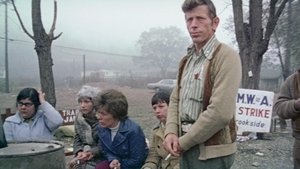
Harlan County U.S.A.
This film documents the coal miners' strike against the Brookside Mine of the Eastover Mining Company in Harlan County, Kentucky in June, 1973. Eastover's refusal to sign a contract (when the miners joined with the United Mine Workers of America) led to the strike, which lasted more than a year and included violent battles between gun-toting company thugs/scabs and the picketing miners and their supportive women-folk. Director Barbara Kopple puts the strike into perspective by giving us some background on the historical plight of the miners and some history of the UMWA. Preserved by the Academy Film Archive in partnership with New York Women in Film & Television in 2004.
1977

In Memory of the Land and People
“…It is a film that tells in hurried film sequences and a resonant musical score juxtaposing the sublime, funereal despair of Bartok agains tthe gut-bare tones of folk music. Gates has through his filming technique and meticulously selected mining sites, captured all the outrage and sorrow and indignity to the land and its people that strip mining represents. The film is one that all Americans should see, for it shows extremely well the price we have to pay for strip mined coal.” - Dale A. Burk, The Montana “Missoulian”
1977

The Concert for Bangladesh
A film about the first benefit rock concert when major musicians performed to raise relief funds for the poor of Bangladesh. The Concert for Bangladesh was a pair of benefit concerts organised by former Beatles guitarist George Harrison and Indian sitar player Ravi Shankar. The shows were held at 2:30 and 8:00 pm on Sunday, 1 August 1971, at Madison Square Garden in New York City, to raise international awareness of, and fund relief for refugees from East Pakistan, following the Bangladesh Liberation War-related genocide.
1972

Québec...?
This short documentary film is a fascinating portrait of urban and rural Quebec in the late 1960s, as the province entered modernity. The collective work produced for the Quebec Ministry of Industry and Commerce calls on several major Quebec figures.
1967
Braunkohle
Short film about coal mining
1948
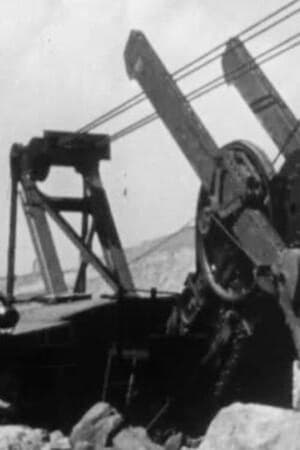
Iron and Steel Supply of the World
Time-travel to a 1940s classroom with this exemplary educational film.
1947
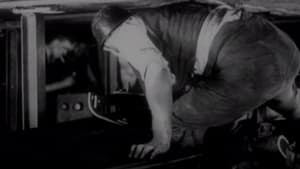
In the Low
Join the working men of a northern powerhouse: on the job in Gateshead workshops and at the long wall of a Northumberland pit.
1946
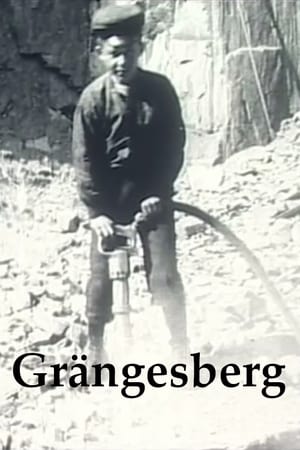
Grängesberg
Images from Grängesberg's mines. The ore is loaded onto trains and transported to the port of Oxelösund.
1908