Watch O Artista e a Força do Pensamento (2021) Online Free
THE ARTIST AND THE FORCE OF THOUGHT, reflects the relationship between balance and imbalance within the partiality of movement of the dancer Marcos Abranches. It oscillates the body to wake up from the emptiness and isolation caused by the imbalance. The movement's lack of aesthetics is felt by abandonment and rejection, understanding that relief is in the support of love. Investigating body movement in a world without anguish, without pain, without despair. Search for life. Find in dance the balance of the body and the beauty of the soul.
Cast
Marcos Abranches, Ivam Cabral
More Like This
LEMONLIME
Two long-time friends, Makahi and Yannick, reflect on their respective journeys as artists in different disciplines—visual arts and music production. The two delve into their experiences as young Black artists in Ottawa, sharing insights into their paths and creative growth.
2025
Glittering Misfits
Dirty Martini and Tigger!, stars of the New York underground scene, reveal some of the secrets of their provocative and remonstrative forms of artistic expression in New York’s Off-Off-Broadway. Meanwhile, they will help us to understand from their everyday intimacy the reasons, the struggles and the keys that keep them in their place as the figures and references of the burlesque revival, more than 20 years after the phenomenon exploded in the New York of the 90s.
2019
Tingimento Natural com Índigo: Da Germinação À Extração do Pigmento Azul
2018

Pussy Versus Putin
In 2012 two members of anarchistic female band Pussy Riot were sentenced to two years in a Mordovian labor camp for "hooliganism motivated by religious hatred". Russian film collective Gogol’s Wives follow each step of the feminist punk band’s battle against Putin including their first disruptive performances on a trolley bus, shooting a video about transparent elections, a controversial performance in a Red Square cathedral, and footage shot in a jail cell. Support comes from many corners including Madonna who painted the words "Pussy Riot" on her back and wore a balaclava during her Moscow show. The documentary portrays the grim state of present-day Russia, a country starkly divided between conservatism and anarchy. Pussy Riot believes that art has to be free and they're willing to take it to extremes. "Pussycat made a mess in the house," they say, and the house is Russia. The filmmakers do not seek to moralize, they simply edit events and leave viewers to draw their own conclusions.
2013

This Is Not a Dream
The video revolution of the 1970s offered unprecedented access to the moving image for artists and performers. This Is Not a Dream explores the legacies of this revolution and its continued impact on contemporary art and performance. Charting a path across four decades of avant-garde experiment and radical escapism, This Is Not a Dream traces the influences of Andy Warhol, John Waters and Jack Smith to the perverted frontiers of YouTube and Chatroulette, taking in subverted talk shows and soap operas, streetwalker fashions and glittery magic penises along the way.
2012
Pretend Not to See Me
Life and art intersect on a spectacular Newfoundland farm where visual artist Colette Urban mounts thirteen art performances in the fields and barns of her property. Resilient, determined, self aware and funny, Colette embraces the transformative power of art as she restages the significant art performances of her thirty-year career. With the camera as her audience she transforms the quotidian into a playful world of the imagination with elaborate costumes and idiosyncratic self invented rituals.
2009
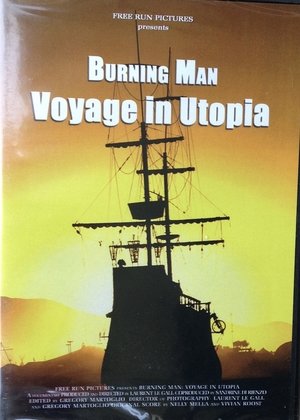
Burning Man: Voyage in Utopia
With a strong emphasis on founder Larry Harvey and temple artist David Best, this video expresses the scale and power of the Burning Man experience. Superb cinematography and editing are combined to make this is one of the most moving Burning Man videos ever produced.
2007
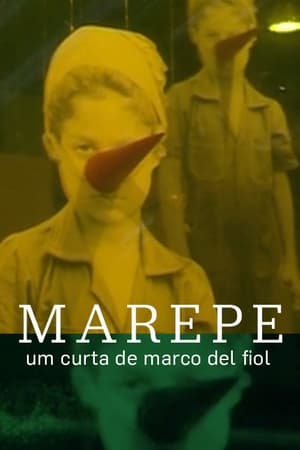
Marepe
Marepe, an artist from Bahia, produces art with anything he comes across in the town he lives in, Santo Antônio de Jesus. Packs of cigarettes, coconut palms, walls, and memories taken from the streets, go into putting together a personal archeology for this young artist.
2006
Dust Devils
A beautifully done video of Burning Man 2001, 2002 & 2003. Lots of people interviews, Center Cafe activity and extensive coverage of artist David Best and the Temple construction and burn. This documentary captures the swirling columns of dust that were created during the intense heat of the 2002 Temple burn.
2003
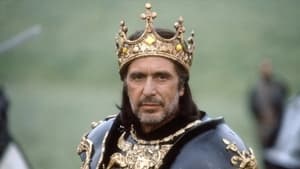
Looking for Richard
Al Pacino's deeply-felt rumination on Shakespeare's significance and relevance to the modern world through interviews and an in-depth analysis of "Richard III."
1996
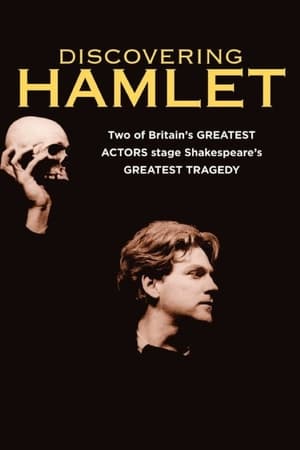
Discovering Hamlet
IN 1988, rising star Kenneth Branagh tackled the role of Shakespeare’s prince of Denmark for the first time in his professional career under the guidance of celebrated actor Derek Jacobi. Narrated by Patrick Stewart, this hour-long film documents how Kenneth Branagh and Derek Jacobi, two intelligent and passionate men, found new depths in Shakespeare’s classic drama, Hamlet. Filmmakers Mark Olshaker and Larry Klein follow the company through four weeks of rehearsals, from the first read-throughs to opening night.
1990
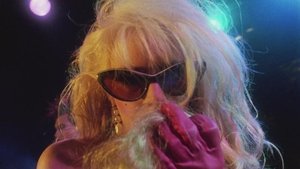
Mondo New York
A young woman wanders around New York City and stumbles across a number of strange characters and settings that represent the "underground" areas of the city. She sees stand up comedy in Central Park, a prostitution auction, a voodoo ceremony, an S&M club, and a number of very interesting performance artists. These are just a few of the sights and sounds of New York that she encounters.
1988

The Way Things Go
Artists Peter Fischli and David Weiss create the ultimate Rube Goldberg machine. The pair used found objects to construct a complex, interdependent contraption in an empty warehouse. When set in motion, a domino-like chain reaction ripples through the complex of imaginative devices. Fire, water, the laws of gravity, and chemistry determine the life-cycle of the objects. The process reveals a story concerning cause and effect, mechanism and art, and improbability and precision, in an extended science project that will mesmerize the mind.
1987
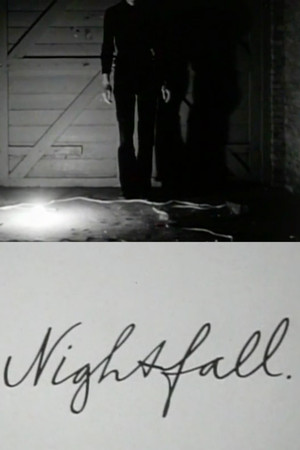
Nightfall
Shot in his garage-studio, the camera records Ader painstakingly hoisting a large brick over his shoulder. His figure is harshly lit by two tangles of light bulbs. He drops the brick, crushing one strand of lights. He again lifts the brick, allowing tension to accrue. The climax inevitable—the brick falls and crushes the second set of lights. Here the film abruptly ends, all illumination extinguished.
1971
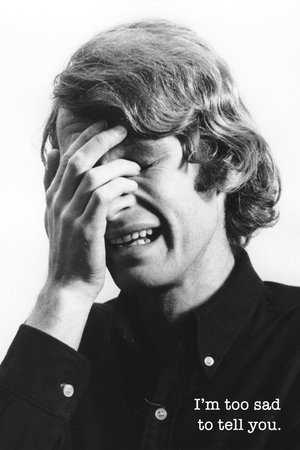
I'm Too Sad to Tell You
This short film is part of a mixed media artwork of the same name, which also included postcards of Ader crying, sent to friends of his, with the title of the work as a caption. The film was initially ten minutes long, and included Ader rubbing his eyes to produce the tears, but was cut down to three and a half minutes. This shorter version captures Ader at his most anguished. His face is framed closely. There is no introduction or conclusion, no reason given and no relief from the anguish that is presented.
1971
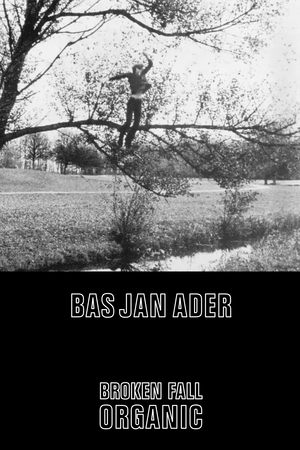
Broken Fall (Organic)
Bas Jan Ader hangs from the branch of a tall tree, until he loses his grip and falls into a river below.
1971
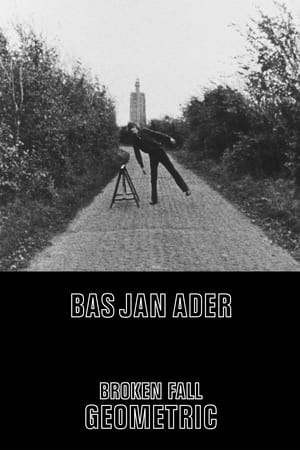
Broken Fall (Geometric)
One of a series of ‘falls’ by Bas Jan Ader that he recorded on film, this work was filmed in West Kapelle, Holland in 1970.
1971
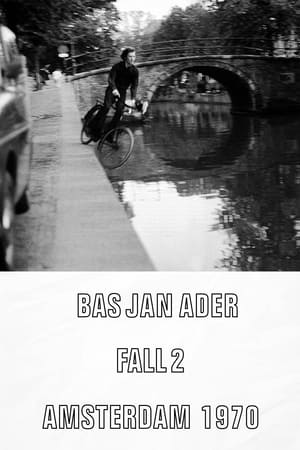
Fall 2
Bas Jan Ader rides his bike into a canal in Amsterdam.
1970
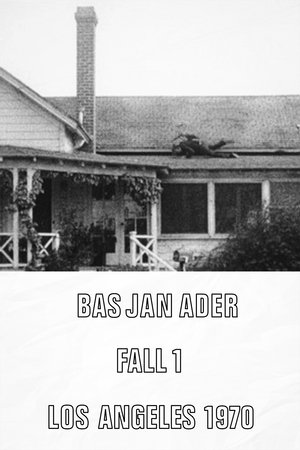
Fall 1
Bas Jan Ader's first fall film shows him seated on a chair, tumbling from the roof of his two-storey house in the Inland Empire.
1970
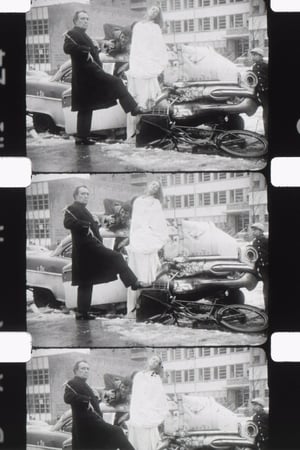
Salvador Dalí at Work
Filmmaker Jonas Mekas follows the surrealist artist around the streets of New York documenting staged public art events.
1964