Watch Nuestros safaris (1969) Online Free
Argentinian short film which shows local fauna and hunting.
Cast
Ernesto Bianco, Silvia Schwartz, Desiderio Monzón, Hugo Vivani
More Like This

Prey
Young ecologist demonstraters travel to the countryside to confront hunters. But one of them is willing to do anything to stop them.
2025

The Way Back
The Year of Return is an initiative of the government of Ghana that is intended to encourage African diasporans to come to Africa to settle and invest in the continent. This film documents one diasporan family as they return to Africa.
2024
Superpowered Eagles
2021
My Deer Hunter
My Deer Hunter is the meeting of Alain, man of the nature and passionate of hunting with the deer, at the moment where the nervousness of the first days of hunting settles down. It's a family reunion, a return to the source in the lands of Témiscouata.
2017
Hitler's Jurassic Monsters
This is the untold story of a Nazi vision, that went far beyond the military conquest of European countries. As part of their crazed dream to create a thousand-year Reich they developed detailed blueprints for Aryan settlements and vast hunting parks for ‘Aryan’ animals. Goering and Himmler employed Germany’s best scientists to launch a hugely ambitious programme of genetic manipulation to change the course of nature itself, both in the wild and for domestic use. In a fascinating blend of politics and biology, Hitler's Jurassic Monsters is the true and asthonishing story of how the Nazis tried to take control of nature and change the course of evolution.
2014
The River's Divide
Donnie Vincent's The River's Divide is a full-length documentary film featuring Donnie Vincent's bowhunting journey into the Badlands of North Dakota, chasing a whitetail deer known as Steve.
2013
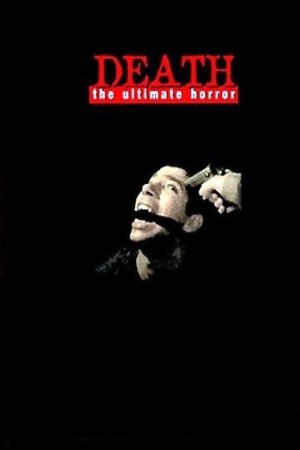
Death: The Ultimate Horror
This grisly documentary presents horrifying journalistic footage of suicides, assassinations, bombings, mob hits, decapitations, and more in bloody detail. Not for the faint of heart.
1995
Kaali Goes for Seal Hunting
One day in the lives of an average Greenlandic family, which happens to be of great importance for 8-year old Kali - he's about to catch his first prey with the harpoon. The whole family is looking forward for the huge step in boy's maturation.
1985
Cree Hunters of Mistassini
An NFB crew filmed a group of three families, Cree hunters from Mistassini. Since times predating agriculture, this First Nations people have gone to the bush of the James Bay and Ungava Bay area to hunt. We see the building of the winter camp, the hunting and the rhythms of Cree family life.
1974
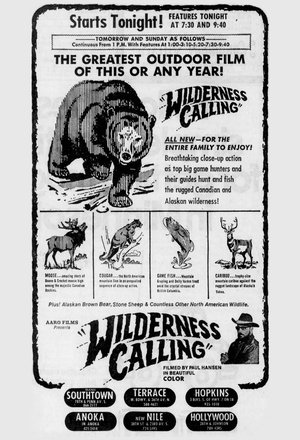
Wilderness Calling
A young boy from the Dakota prairies grows up heeding the "call of the wilderness." He hunts for pheasant in the Illinois cornfields; ducks and geese in the northern lakes; deer in the Dakota Bad Lands; mountain sheep, goats, caribou, moose, and mountain lions in British Columbia and the Yukon; and brown bears on the Alaskan peninsula. He fishes in British Columbia's mountain streams for grayling and along the Bering Sea coast for trout. The film includes footage of swans, eagles, cnd ptarmigans; a beaver colony repairing a dam; battling rams; and sheep at rest in the mountains.
1969
Rivers of Fire and Ice
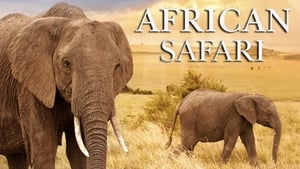
A Wildlife Safari through Africa.
1968

The Outdoorsman
A group of outdoorsmen demonstrate duck hunting as a preliminary to traveling the various hunting and fishing centers of the world. They begin their journey with a trip to the Rocky Mountains to hunt elk and mountain lions and to fish in the freshwater lakes. They travel to Lac la Ronge in Saskatchewan and to Anchorage and the Katmai Peninsula in Alaska to fish for trout, salmon, and grayling and hunt moose and bear. In the Arctic, the hunters go with a group of Eskimos for their biggest catch, the polar bear. The hunters travel south by plane, to the Fishing Club of Panama to fish for marlin, tuna, shark, and dolphin in the Gulf of Panama. In South Africa and the Zambesi River basin, they often hunt with only a camera. Accompanied by native beaters, they hunt elephants, antelope, buffalo, crocodiles, and hippopotami. As conservationists they capture some almost extinct white rhinoceros and take them to a game preserve for protection.
1968
The Hunters
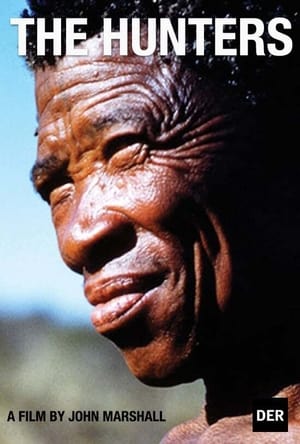
An ethnographic documentary following four Ju/’hoansi (!Kung) men during a multi-day giraffe hunt in the Kalahari Desert, filmed during the Smithsonian–Harvard Peabody expedition of 1952–53.
1957
Old Barak
Amateur film of fishing and geese-shooting trips by a British party in India.
1947
Safari
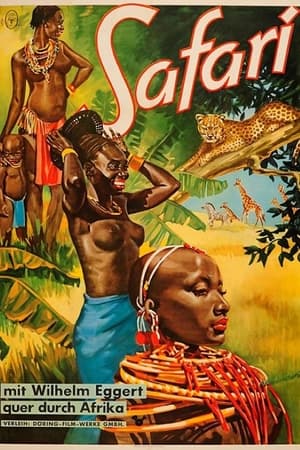
Between 1933 and 1935, the painter Wilhelm Eggert and his wife Dora Kuster traveled the African continent. Their expedition took them from Mediterranean Algiers through the Sahara and parts of the African west coast to the Congo and Kenya. Not only did the couple explore vast stretches of land that were almost completely unknown, at least to private travelers at the time, they also captured this journey on film. A screenable documentary film was compiled from the original 12,000m of film material. In cinemas and film clubs, European audiences were presented with a film that was evidently able to satisfy an interest in foreign, 'wild' cultures and exotic landscapes, albeit one that was always Eurocentric. The spectacular shots of African lifestyles and nature, which in many respects were new to European viewers who were almost completely unfamiliar with Africa, were praised and appreciated precisely because of their supposed authenticity.
1939

Our Greatest Ambassador
Richly detailed record of the Prince of Wales' Indian tour.
1922

Duke of Connaught's Indian Tour
The Duke rides an elephant as he ventures on safari in Bengal.
1921
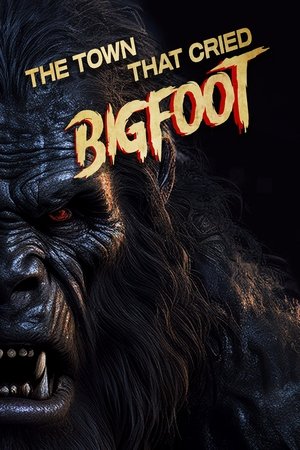
The Town That Cried Bigfoot
In the bitter winter of 1978, four desperate council members from a small Virginia town hatched a daring Bigfoot hoax to save it from the brink of bankruptcy. But as the money grew, so did the greed-triggering the town's first unsolved murder.
Wolf Hunting in Russia
Russian hunters on horse and a pack of borzois hunt down and kill a wolf.
1910
Sport and Entertainment in Batavia
Duck archery is not the same as duck hunting. This is a Pordenone moment I will never forget – in actuality short Distraction et Sport à Batavia (1909), the residents of what is now call Jakarta make the most of their leisure time by pursuing a variety of mostly healthy exploits. But really, I can see no justification, nor explanation for why a round of archery needs to be enlivened by affixing live poultry to the target. As my good man Peter tweeted at the time: “One right in the neck, yeesh.” Sensitive viewers should be aware that animal cruelty abounds in silent cinema – the most notable, and egregious, example is Edison’s notorious Electrocuting an Elephant. The most poignant fictional example is perhaps the poor horse in Eisenstein’s October. (from http://silentlondon.co.uk/2015/01/23/10-disgusting-moments-in-silent-cinema/)
1909