Watch No Place to Grow Old (2024) Online Free
No Place to Grow Old is the first documentary to capture a growing crisis unfolding quietly across America: older adults aging into homelessness. Set in Portland, Oregon, this film follows the lives of three older adults navigating the harsh realities of life without a home. Through their stories of hardship and resilience, the film offers an intimate portrayal of their challenges while illuminating the systemic issues contributing to their plight. Featuring insights from local and national experts, No Place to Grow Old is a powerful call to action that emphasizes dignity and hope, envisioning a future where everyone, regardless of age, has a safe and secure place to call home.
Cast
Bronwyn Carver, Jennifer Molinsky, Herbert Olive, John Tapogna, Jerry Vermillion, Marisa Zapata
More Like This
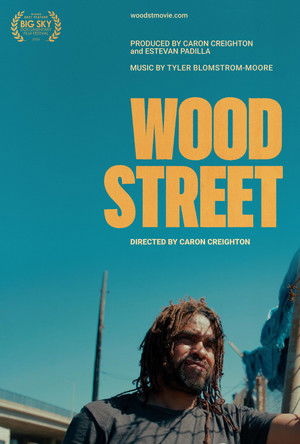
Wood Street
Two unhoused men turned community leaders— John and LaMonté —organize their neighbors in the face of displacement, addiction, and a failing social system.
2026

A Home with the Street Inside It
People experiencing homelessness, social work professionals, and film artists join forces to transform fragments of real life into fictional short films.
2025

The OGRE
OGRE, a pre-crash bunker wave earth tone noxious metal rubber tone mathscape grass-fed conglomerate bass post-ego brown noise premeditated deathcore punk rock jazz band from Portland, Oregon takes on their biggest show yet.
2025

Pages of Hope
Homeless man Robert (Bobby) Webb discovers the art of filmmaking, turning pages of his life into a heartfelt reel. Through his journey he finds hope and new meanings in unexpected aspects of his life as he relives them.
2024
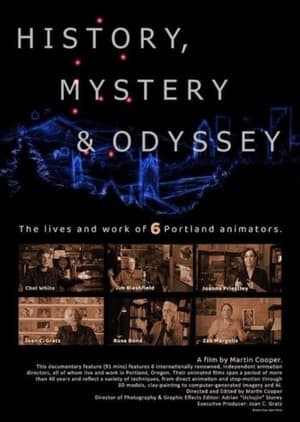
History, Mystery & Odyssey: Six Portland Animators
Martin Cooper’s documentary feature explores the lives and work of six internationally renowned, independent animators and animation directors. These multi-award-winning artists are Jim Blashfield, Rose Bond, Joan C. Gratz, Zak Margolis, Joanna Priestley and Chel White. Their animated films span a period of over 40 years and reflect a wide range of techniques, from direct animation and classic stop-motion, through 3D models, clay painting, computer-generated imagery up to AI. History, Mystery & Odyssey is entirely filmed in Portland Oregon, where all these animators live and work.
2023

What You'll Remember
Homelessness in the United States takes many forms. For Elizabeth Herrera, David Lima and their four children, housing instability has meant moving between unsafe apartments, motels, relatives’ couches, shelters, the streets and their car. After 15 years of this uncertainty, the family moved into their first stable housing — an apartment in the San Francisco Bay Area — in the midst of the coronavirus pandemic.
2021
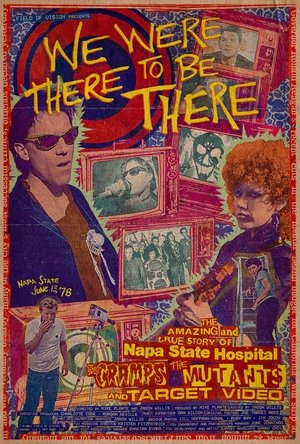
We Were There to Be There
On June 13, 1978, the punk bands the Cramps and the Mutants played a free show for psychiatric patients at the Napa State Hospital in California. We Were There to Be There chronicles the people, politics, and cultural currents that led to the show and its live recording.
2021

Outside
The film explores the turbulent lives of homeless persons in Cologne, Germany. Through their personal belongings the homeless share with the viewer their memories and emotions, and provide insight into the secrets of survival on the street.
2018

Un jour ça ira
Djibi and Ange, two teenagers living on the streets, arrive at the Archipel, an emergency shelter in the heart of Paris. This documentary is a look at the Archipel, a shelter offering an innovative way to welcome families living on the streets.
2018

Martin
Documentary film about Martin Park, a homeless man living in Dublin, and his friendship with photographer and filmmaker Donal Moloney.
2017

Motel
As Niagara Falls transformed from honeymoon capital of the world to Las Vegas North, corporate hotel chains and casinos cast a long shadow over the independent motels that once populated the town. The Continental survived the transition by converting its rooms into affordable housing units, becoming a home for those with few places to go. The night manager, Brian, once a freelance photographer who survived the horrors of war in Vietnam, shares his duties with his colleague Linda. Together they manage both the Continental and the individual struggles of its tenants, providing more than a roof over the heads of those who live under their supervision. Bringing a fresh focus to one of the most photographed places on Earth, director and cinematographer Jesse McCracken develops an intimate and caring portrait of the residents of this modest micro-community set against the backdrop of neon-lit tourist attractions.
2017

I Am Another You
Through the eyes of a young drifter who rejects society's rules and intentionally chooses to live on the streets, Chinese filmmaker Nanfu Wang explores the meaning of personal freedom – and its limits.
2017

Casablanca, les enfants du bitume
There are at least seven thousand children and adolescents wandering the streets of Morocco's economic capital. Sold by their parents, abused, beaten, or abandoned, they struggle to survive. Since 1995, the Bayti association has been fighting to reintegrate these sacrificed children and give them a second chance.
2009
Carts of Darkness
In the picture-postcard community of North Vancouver, filmmaker Murray Siple follows men who have turned bottle-picking, their primary source of income, into the extreme sport of shopping cart racing. Enduring hardships from everyday life on the streets of Vancouver, this sub-culture depicts street life as much more than stereotypes portrayed in mainstream media. The films takes a deep look into the lives of the men who race carts, the adversity they face, and the appeal of cart racing despite the risk.
2008

Street Life
Street Life documents the lives of Chinese migrants in Shanghai, one of the world’s largest and most vibrant cities, now symbolic of China’s economic might. The film centers on Nanjing Road, one of China’s oldest commercial streets and today a popular destination for tourists and moneyed Chinese. The street has also become a Mecca for uprooted and homeless Chinese, who make ends by collecting garbage and recyclables. These characters and their stories are the focus of the film. The central character in Street Life is a migrant known as “Black Skin.” Black Skin faces numerous pressures in the course of the film, including police violence. In the end, these pressures are too much for him to bear and he goes mad. Black Skin’s story intersects with those of fellow bottle collectors, enterprising thieves and even a young boy who has been abandoned.
2006
The Children of Leningradsky
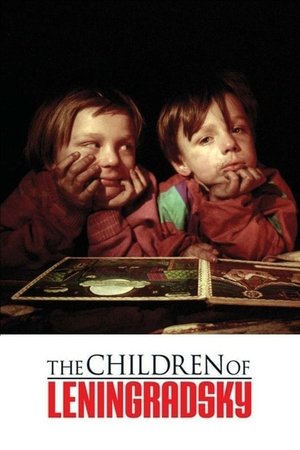
Since the fall of the Iron Curtain an estimated four million children have found themselves living on the streets in the former countries of the Soviet Union. In the streets of Moscow alone there are over 30,000 surviving in this manner at the present time. The makers of the documentary film concentrated on a community of homeless children living hand to mouth in the Moscow train station Leningradsky. Eight-year-old Sasha, eleven-year-old Kristina, thirteen-year-old Misha and ten-year-old Andrej all dream of living in a communal home. They spend winter nights trying to stay warm by huddling together on hot water pipes and most of their days are spent begging. Andrej has found himself here because of disagreements with his family. Kristina was driven into this way of life by the hatred of her stepmother and twelve-year-old Roma by the regular beatings he received from his constantly drunk father. "When it is worst, we try to make money for food by prostitution," admits ...
2005

20 Cans of Chunky Beef Soup
Documentary tells the story of Maxim Vakhmin, a veritable alleycat of a man. Revered as both an angel and a devil, Maxim (once known as a successful artist in his native Russia) is losing friends and finding new ones as a homeless person in the USA.
2003

Streetwise
This documentary about teenagers living on the streets in Seattle began as a magazine article. The film follows nine teenagers who discuss how they live by panhandling, prostitution, and petty theft.
1984
The Day Called X
Portentously portrays the evacuation of Portland, Oregon, when threatened by a nuclear attack on its state-of-the-art civil defense system.
1957

Popular Science J-0-1
A disaster truck, which is equipped to meet practically any emergency that arises in the community; In Oklahoma a breeder of under-slung cattle, making possible smaller grazing areas for milk herds; a deburping machine, of all things.
1940