Watch Mother's Land (2021) Online Free
Waking up in a nightmare before the sunrise of December 30, 2020, the indigenous community of the Tumandok was suddenly surrounded by fear. Panambi features the stories of bright memories of the past and the despair of having now as a mere memory of the future without a trace of justice; how they lived and what they lived for. A decades-long struggle is shot, one in the lens of a mother paralyzed by fear; another from a mother raged and moved by fear—both looking forward to a better tomorrow.
Cast
Analyn Giganto, Melly Aquirre
More Like This
Mot vinden
2025

The Lost Children
After a plane crash, four indigenous children fight to survive in the Colombian Amazon using ancestral wisdom as an unprecedented rescue mission unfolds.
2024
Amazônia, a Nova Minamata?
2022
Documentário Brasil Tupinambá
2021
Kímmapiiyipitssini: The Meaning of Empathy
Follow filmmaker Elle-Máijá Tailfeathers as she creates an intimate portrait of her community and the impacts of the substance use and overdose epidemic. Witness the change brought by community members with substance-use disorder, first responders and medical professionals as they strive for harm reduction in the Kainai First Nation.
2021
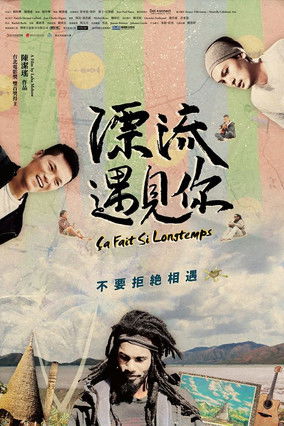
Ça Fait Si Longtemps
Is it possible that a group of people share our culture and fate, but are drifting in another part of the ocean? Taiwanese aboriginal musicians, Suming and Baobu, are invited to New Caledonia for a month of musical exchange. They lived with local Kanak musicians, playing music and sometimes composing together. In the end, they all found that the secret to innovation and globalization is to re-discover one’s own cultural roots.
2017
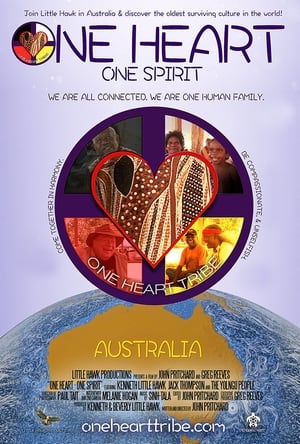
One Heart: One Spirit
An Aboriginal Australian and Native American documentary narrated by award-winning actor Jack Thompson, One Heart-One Spirit tells the story of Kenneth Little Hawk, an elder Micmac/Mohawk performing artist, meeting the oldest surviving culture on the planet: the 40,000 year old Yolngu nation located in northern Australia.
2017
Nowhere Land
Documentary about filmmaker Bonnie Ammaaq's memories of life on Baffin Island, where her family moved for eleven years during her childhood from the hamlet of Igloolik to return to the traditional Inuit way of life.
2015
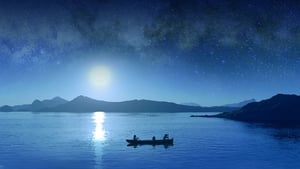
The Pearl Button
The ocean contains the history of all humanity. The sea holds all the voices of the earth and those that come from outer space. Water receives impetus from the stars and transmits it to living creatures. Water, the longest border in Chile, also holds the secret of two mysterious buttons which were found on its ocean floor. Chile, with its 2,670 miles of coastline and the largest archipelago in the world, presents a supernatural landscape. In it are volcanoes, mountains and glaciers. In it are the voices of the Patagonian Indigenous people, the first English sailors and also those of its political prisoners. Some say that water has memory. This film shows that it also has a voice.
2015
LaDonna Harris: Indian 101
A documentary film about Comanche activist LaDonna Harris, who led an extensive life of Native political and social activism, and is now passing on her traditional cultural and leadership values to a new generation of emerging Indigenous leaders.
2014
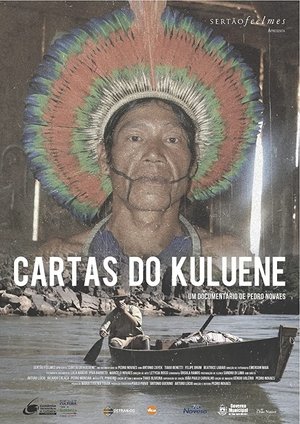
Cartas do Kuluene
2011
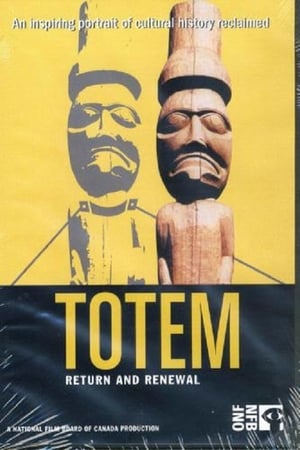
Totem: Return and Renewal
In this follow-up to his 2003 film, Totem: the Return of the G'psgolox Pole, filmmaker Gil Cardinal documents the events of the final journey of the G'psgolox Pole as it returns home to Kitamaat and the Haisla people, from where it went missing in 1929.
2007
Shellmound
“Shellmound” is the story of how one location was transformed from a sacred center of pre-historic cultures to a commercial mecca for modern people. What began as a Native American burial ground three thousand years ago, was transformed first into an amusement park, and later an industrial age paint factory. Now, the tainted ancient soil sits beneath the glittering lights of Banana Republic, Victoria’s Secret, and the AMC movie theaters. “Shellmound” examines the decisions made during the recent toxic cleanup, excavation, and construction of the Bay Street mall through the eyes of the city of Emeryville, the developer, the archaeologists, and the native Californians who worked on the site.
2004
One of Many
A woman with indiginous roots in her 40s goes on a trip into her past: When she was four years old she had been taken away from her mother by the canadian authorities, like many others. This is her very sad story as an example for many others.
2004

No Loitering
An intimate portrait of teenagers trying to understand their world and their possibilities. The film weaves together video shot by teens and by the filmmaker, as they work together to make a film and create expressive outlets for youth in the community. They organize dances and community events and paint a mural. At the same time, with humor and pathos, these young people raise issues around violence, feeling misunderstood by adults and lacking respect in their community. Set in the small town of Sitka, Alaska, home to a large Alaska Native population, the video chronicles their creativity, concerns and dreams.
2002
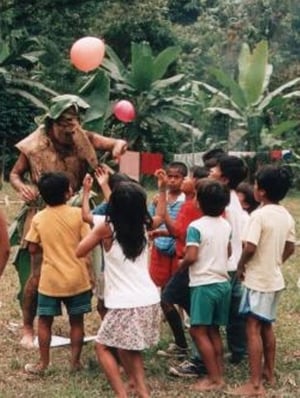
The Call of Fayu Ujmu
A 13-year-old Indian boy is found unconscious after being attacked in the jungle by the evil spirit Fayu Ujmu. A shaman attempts to ritually tame the spirit and advises the boy’s father to capture it. This story is based on a Chachi Indian legend; it was shot with indigenous inhabitants of the jungle community of Loma Linda, on the Rio Cayapas.
2002
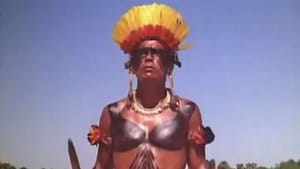
Our Indians
Yndio do Brasil is a collage of hundreds of Brazilian films and films from other countries - features, newsreels and documentaries - that show how the film industry has seen and heard Brazilian indigenous peoples since they were filmed in 1912 for the first time: idealised and prejudiced, religious and militaristic, cruel and magic.
1995

Nose and Tina
Nose and Tina are a couple in love. The film captures the domestic details of their life together and documents their hassles with work, money and the law. The unusual bit: He is employed as a brakeman, and she as a sex worker.
1980
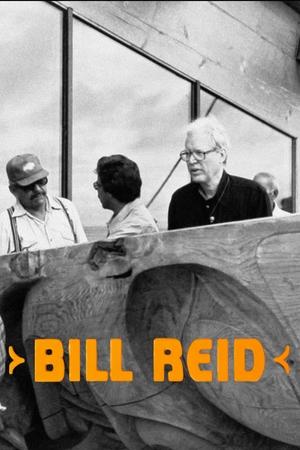
Bill Reid
Follows Haida artist Bill Reid, from British Columbia. A jeweller and wood carver, he works on a traditional Haida totem pole. We watch the gradual transformation of a bare cedar trunk into a richly carved pole to stand on the shores of the town of Skidegate, in the Queen Charlotte Islands of B.C.
1979
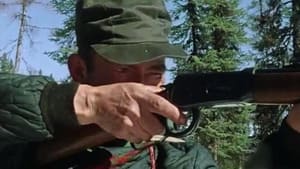
Cree Hunters of Mistassini
An NFB crew filmed a group of three families, Cree hunters from Mistassini. Since times predating agriculture, this First Nations people have gone to the bush of the James Bay and Ungava Bay area to hunt. We see the building of the winter camp, the hunting and the rhythms of Cree family life.
1974