Watch Midnight Ramble (1994) Online Free
A documentary chronicling the pioneering efforts of black filmmaker William D. Foster in the early years of the industry and Oscar Micheaux's controversial impact on the subsequent "race movies".
Cast
Toni Cade Bambara, Robert Hall, Elton Fax, Pearl Bowser, Carlton Moss, Frances E. Williams, Shingzie Howard, St. Clair Bourne, Herb Jeffries, Edna Mae Harris, James Avery, David McCullough
More Like This

The Cinematograph: Birth of an Art
Throughout the 19th century, imaginative and visionary artists and inventors brought about the advent of a new look, absolutely modern and truly cinematographic, long before the revolutionary invention of the Lumière brothers and the arrival of December 28, 1895, the historic day on which the first cinema performance took place.
2021
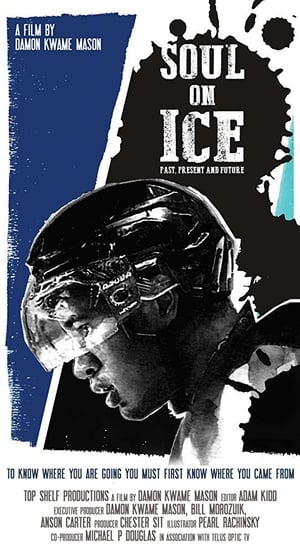
Soul on Ice: Past, Present and Future
Soul On Ice: Past, Present, and Future is a film that presents and retells the unknown contributions of black athletes in ice hockey. For untold decades, hockey was seen as a homogeneous sport, exciting to watch but played by one kind of player. But people deserve to now know of the exploits of athletes who dared to stand out, and dared to make the sport their own. These Black athletes dared to give their sport soul.
2017

August 28: A Day in the Life of a People
Documentary film on events that happened on August 28th in African-American history, shown at the Smithsonian African-American History Museum.
2017
The L.A. Riots: 25 Years Later
HISTORY brings you an all-encompassing documentary event cantered around the 25th anniversary of the LA Riots, the most destructive riot in American history that left 53 people dead and caused over a billion dollars in damage.
2017
Black Ballerina
BLACK BALLERINA tells the story of several black women from different generations who fell in love with ballet. Six decades ago, while pursuing their dreams, Joan Myers Brown, Delores Browne and Raven Wilkinson confronted racism, exclusion and unequal opportunity. Today, young dancers of color continue to face formidable challenges breaking into the overwhelmingly white world of ballet. Moving back and forth in time, this lyrical, character driven film shows how far we still have to go and stimulates a fresh discussion about race, inclusion and opportunity across all sectors of American society.
2016
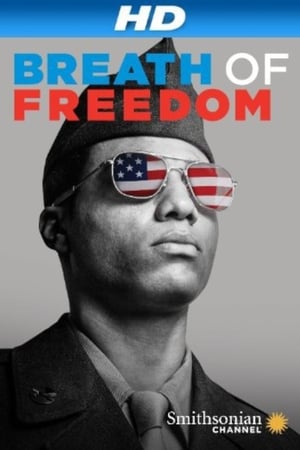
Breath of Freedom
In World War II. African-American GIs liberate Germany from Nazi rule while racism prevailed in their own army and home country. Returning home they continue fighting for their own rights in the civil rights movement.
2014
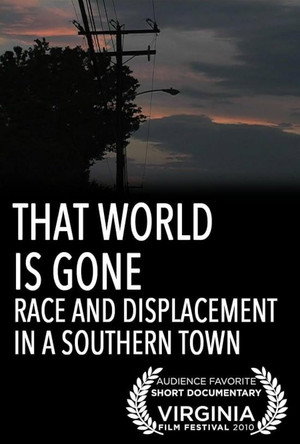
That World Is Gone: Race and Displacement in a Southern Town
Kathy's family left on a Saturday morning in 1965. The rumble of bulldozers echoed through the neighborhood, and her block was empty. Federally-funded urban renewal had arrived in Charlottesville, scattering dozens of families like Kathy's. The once-vibrant African American community, built by formerly enslaved men and women who had secured a long-denied piece of the American dream, disappeared.
2010
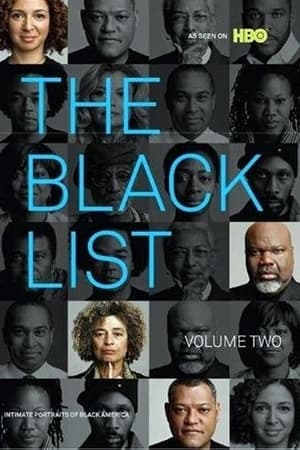
The Black List: Volume Two
THE BLACK LIST: VOL. 2 profiles some of today's most fascinating African-Americans. From the childhood inspirations that shaped their ambitions, to the evolving American landscape they helped define, to the importance of preserving a unique cultural identity for future generations, these prominent individuals offer a unique look into the zeitgeist of black America, redefining the traditional pejorative notion of a blacklist.
2009
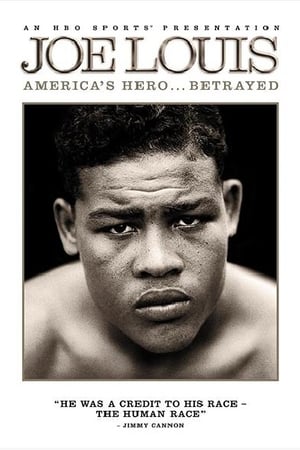
Joe Louis: America's Hero Betrayed
An American story. Traces the career of Joe Louis (1914-1981) within the context of American racial consciousness: his difficulty getting big fights early in his career, the pride of African-Americans in his prowess, the shift of White sentiment toward Louis as Hitler came to power, Louis's patriotism during World War II, and the hounding of Louis by the IRS for the following 15 years. In his last years, he's a casino greeter, a drug user, and the occasional object of scorn for young Turks like Muhammad Ali. Appreciative comment comes from boxing scholars, Louis's son Joe Jr., friends, and icons like Maya Angelou, Dick Gregory, and Bill Cosby.
2008

The Black List: Volume One
As a new chapter begins in this country, THE BLACK LIST offers a dynamic and never-before-heard perspective from achievers of color. This series of inspired - and inspiring - observations on African-American life in the 21st century forms a roll call of some of the most compelling politicians, writers, thinkers and performers ever to tackle their fields of endeavor. Watch the interview-portraits and get a sharper snapshot of where this country has been and where it's headed.
2008
The N Word
An exploration of the history of the word throughout its inception to present day. Woven into the narrative are poetry, music, and commentary from celebrities about their personal experiences with the word and their viewpoints. Each perspective is unique, as is each experience... some are much more comfortable with the word than others.
2006
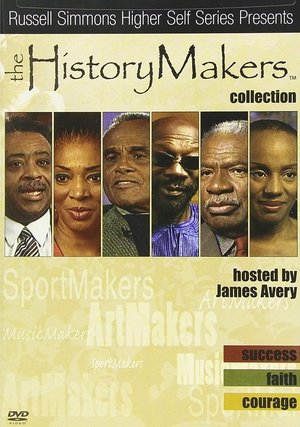
The History Makers: Success
Ossie Davis, Terry McMillan, Horace Julian Bond, Isaac Hayes, Dionne Warwick and many others share their inspiring stories of success in the first installment of this series about African-American history makers, including civil rights leaders, actors and authors. A good education, dedication to work, dogged determination and the courage to take risks figure prominently in these remarkable success stories told by notable African Americans.
2005
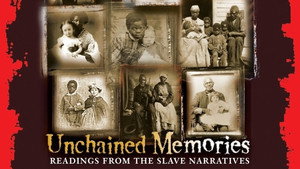
Unchained Memories: Readings from the Slave Narratives
When the Civil War ended in 1865, more than four million slaves were set free. Over 70 years later, the memories of some 2,000 slave-era survivors were transcribed and preserved by the Library of Congress. These first-person anecdotes, ranging from the brutal to the bittersweet, have been brought to vivid life in this unique HBO documentary special, featuring the on-camera voices of over a dozen top African-American actors.
2003
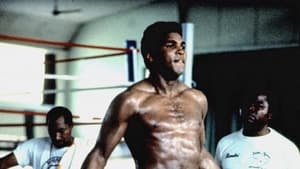
When We Were Kings
It's 1974. Muhammad Ali is 32 and thought by many to be past his prime. George Foreman is ten years younger and the heavyweight champion of the world. Promoter Don King wants to make a name for himself and offers both fighters five million dollars apiece to fight one another, and when they accept, King has only to come up with the money. He finds a willing backer in Mobutu Sese Suko, the dictator of Zaire, and the "Rumble in the Jungle" is set, including a musical festival featuring some of America's top black performers, like James Brown and B.B. King.
1996
No Regret
Five gay Black men who are HIV-positive discuss how they are battling the double stigmas surrounding their infection and homosexuality.
1993
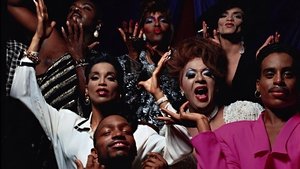
Paris Is Burning
Where does voguing come from, and what, exactly, is throwing shade? This landmark documentary provides a vibrant snapshot of the 1980s through the eyes of New York City's African American and Latinx Harlem drag-ball scene. Made over seven years, PARIS IS BURNING offers an intimate portrait of rival fashion "houses," from fierce contests for trophies to house mothers offering sustenance in a world rampant with homophobia, transphobia, racism, AIDS, and poverty. Featuring legendary voguers, drag queens, and trans women — including Willi Ninja, Pepper LaBeija, Dorian Corey, and Venus Xtravaganza.
1991
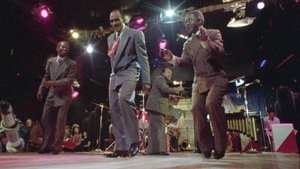
No Maps on My Taps
The remarkable spirit of tap dancers and their history provides a joyous backdrop for intimate portraits of hoofers Sandman Sims, Chuck Green, and Bunny Briggs.
1979
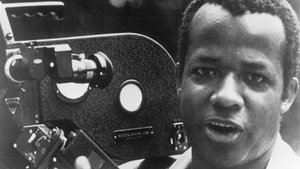
Still A Brother: Inside the Negro Middle Class
The Black middle class, torn between white goals and Black needs, are examined by producers William Greaves and William Branch in a 90-minute NET Journal documentary.
1968
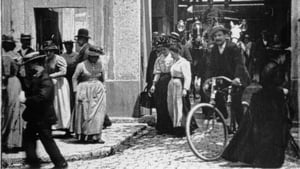
Workers Leaving the Lumière Factory
Working men and women leave through the main gate of the Lumière factory in Lyon, France. Filmed on 22 March 1895, it is often referred to as the first real motion picture ever made, although Louis Le Prince's 1888 Roundhay Garden Scene pre-dated it by seven years. Three separate versions of this film exist, which differ from one another in numerous ways. The first version features a carriage drawn by one horse, while in the second version the carriage is drawn by two horses, and there is no carriage at all in the third version. The clothing style is also different between the three versions, demonstrating the different seasons in which each was filmed. This film was made in the 35 mm format with an aspect ratio of 1.33:1, and at a speed of 16 frames per second. At that rate, the 17 meters of film length provided a duration of 46 seconds, holding a total of 800 frames.
1895
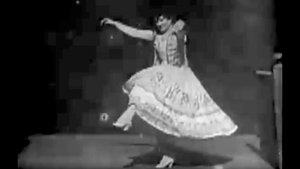
Carmencita
The first woman to appear in front of an Edison motion picture camera and possibly the first woman to appear in a motion picture within the United States. In the film, Carmencita is recorded going through a routine she had been performing at Koster & Bial's in New York since February 1890.
1894