Watch La Gorgona Historias Fugadas (2013) Online Free
The stories told in this documentary span the twenty-five years of existence of the now-defunct La Gorgona prison, located on the island of the same name. Thus, confinement, violence, and isolation gave rise to many escape attempts, but few were successful. Through interviews with individuals who experienced these events firsthand, the use of animated reenactments, and the emphasis on the power of nature, this work visually reproduces journalist Silvia Luz Gutiérrez's investigation into the mysteries surrounding various characters and their different fates.
More Like This
Colombia in My Arms
After 52 years of armed conflict the FARC guerrillas are about to hand over their arms in exchange for political participation and social inclusion of the poor. Ernesto is one of them. The much celebrated Colombian peace agreement throws Ernesto and the polarised society around him into chaos in which everyone is afraid of the future and their own survival.
2022
Suspension
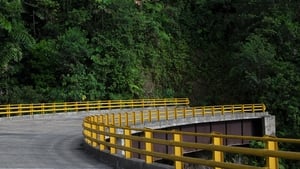
In the depths of the Colombian jungle, the skeleton of an immense abandoned cement bridge is tucked away. It has turned into a delusional tourist attraction.
2019
The Birders
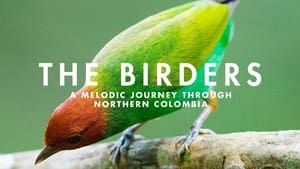
The film highlights legendary Colombian birdwatching guide Diego Calderon-Franco and National Geographic photographer/videographer Keith Ladzinski as they travel through Columbia, a nation that boasts one of the most diverse populations of birds in the world, to capture footage of rare and unique birds, some of which have never been filmed before.
2019
Ciro and Me
Ciro Galindo was born on August 29th, 1952 in Colombia. Wherever he's gone, war has found him. After twenty years of friendship, I understood Ciro 's life sums up Colombia's history. As so many Colombians he is a survivor, who has run away from war for more than sixty years, and now dreams of living in peace. "Ciro and Me" is a journey to memory, seeking to give sorrow words; a journey, similar to that of Colombia in times of peace, in search to recover its dignity.
2018
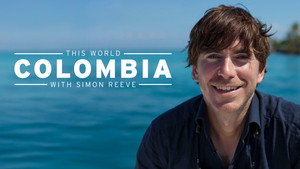
Colombia with Simon Reeve
Simon Reeve visits Colombia in the year of the pacification, at least on paper, between the government, 'aided' by right-wing death squads, and the Marxist FARC guerrilla, which was turning into an armed super-drug cartel and champion of ransom kidnappings. He speaks with people about the horror that hopefully nears its end and the prospects if both sides disarm.
2017
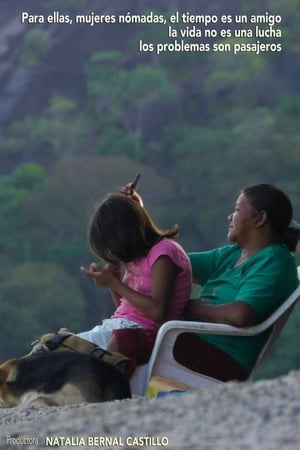
Walkers of time
María is an Amorúa girl; an indigenous group that traveled the savannas of Orinoquía as nomads. She lives with her grandmother Matilde, her sister diana and her cousins in Puerto Carreño, in the Colombia-Venezuela border. The amorúa are considered wild and are not literate. Matilde wants her granddaughters to learn to write and read to live better in this town of "rational whites" as they call us. The director follows María's life for 8 years from her childhood to her adolescence and invites her to travel the places her grandma did as a nomad.
2017

When Multinationals Attack Nation States
In autumn 2016, demonstrations sprang up all over Europe against the CETA free-trade agreement between the European Union and Canada. The reason? An obscure clause which allows multinationals to sue nation states if they feel their profits may be damaged by government decisions. An investigation into the hidden world of international arbitration.
2016
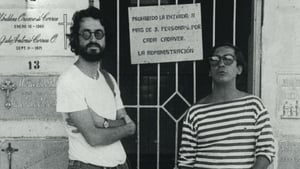
It All Started at the End
An intimate portrait of the pioneering artistic collective Grupo de Cali, whose work is now considered a fundamental part of Colombia’s film history.
2015
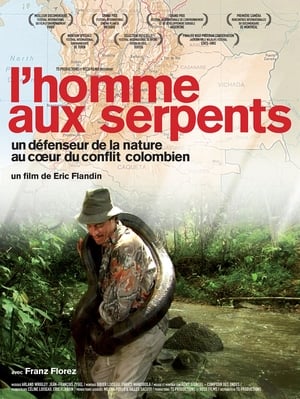
Snake Man
It is with an old bus an about thirty snakes that Franz Florez struggles for the preservation of nature in Colombia, one of the most environmentally diverse country in the world. His snakes are his pass to enter the deep jungle, where guerrillas fight the regular army and where narco-traffickers meet coca growers. Facing the threat of the industrial exploitation of these preserved areas, he tries to gather support among the population, including the armed actors.
2014
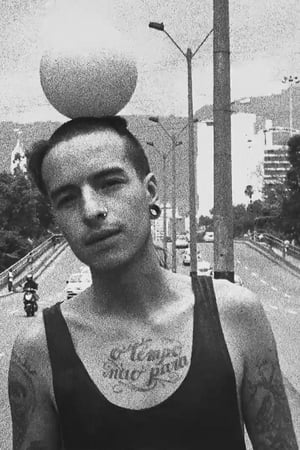
Like Shadows Growing as the Sun Goes Down
Medellin. Tireless car traffic. In the margins of a society launched at top speed, some lurking engines shutdown to make a living; Jugglers at intersections, employees on breaks, whose precise and repetitive work mark the flow of time which is always repeated.
2014
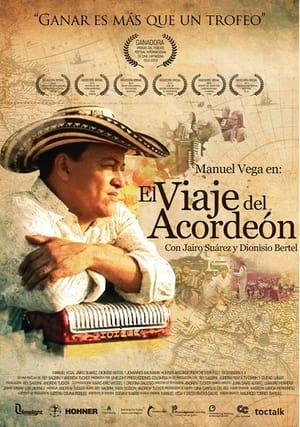
The Accordion’s Voyage
'The Accordion's Journey' narrates the story of three Colombian musicians. Year after year they participate in the world's largest competitive accordion festival, held in Valledupar, Colombia. But they never win. One day a letter arrives, inviting them to play alongside the legendary Hohner Accordion Orchestra in Trossingen, Germany, the birthplace of the 'Corona', Colombia's most popular accordion. It's the first time abroad for our three heroes and they discover a very different culture, a first encounter with snow and ice and make new friends. But will their adventure help them in winning the accordion festival back in Valledupar?
2013
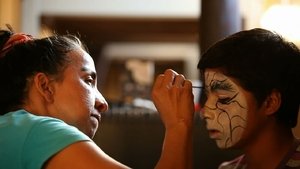
Quijote
As a child, Jairo William Gutiérrez traded a few onions for a ticket to the circus and from then on he only wanted to be an actor and playwright. Today Jairo is 50 years old and farms the land, milks his cow and writes theater. His passion for the stage is so great that he set up a theater company, which is made up of his wife, two daughters and a few neighbors.
2012
Mas alla del no futuro
80s-90's Medellin-Colombia-Punk Documentary.
2008
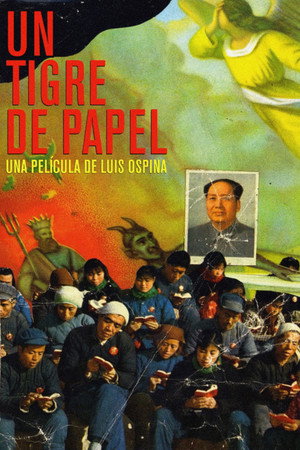
A Paper Tiger
The life of Pedro Manrique Figueroa, a pioneer of collage in Colombia, is both incomplete and contradictory. Taking his life and work as a pretext, this mockumentary takes the viewer on a journey through history from the year 1934 up until 1981, when the artist mysteriously disappeared from view.
2008
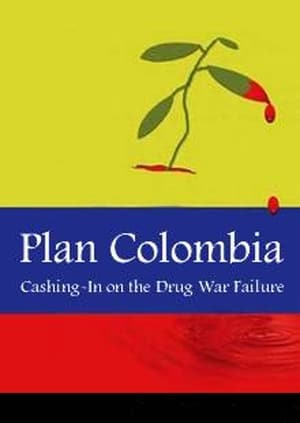
Plan Colombia: Cashing In on the Drug War Failure
Ed Asner narrates this documentary about U.S. involvement in Colombia's drug trafficking and civil unrest. The film examines the impact of chemical spraying and military funding and reveals alternate U.S. interests. Features interviews with Noam Chomsky, the late Senator Paul Wellstone, Colombian Presidential candidate Ingrid Betancourt, Congressmen John Conyers and Jim McGovern, U.S. State Department officials, guerilla leaders and others.
2003
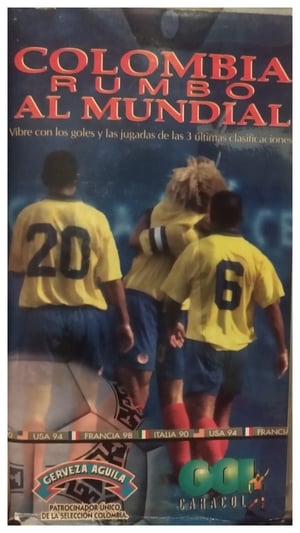
Colombia rumbo al mundial
1997

Love, Women and Flowers
Women workers stand up to the toxic flower industry in Colombia.
1988
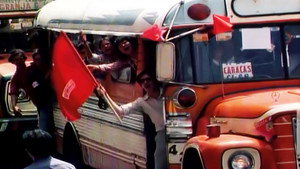
The Penny War
In Bogotá, urban public transport drivers do not receive a fixed salary. This has triggered a daily war marked by an anguishing and dangerous routine that only benefits large business owners and leaves the State as an indifferent bystander.
1985
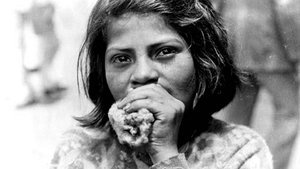
Gamin
After an extensive immersion work on abandoned childhood, Ciro Durán presents, from his point of view, the life of street children, who have broken all family ties and have regrouped to survive in the concrete jungle.
1977
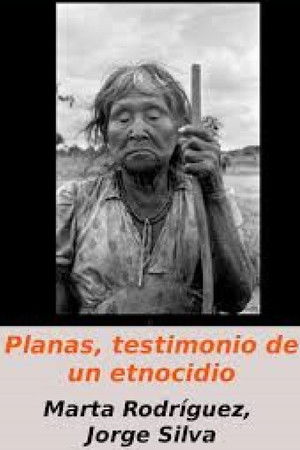
Plains: Testimony of an Ethnocide
A documentary on the massacre of Planas in the Colombian east plains in 1970. An Indigenous community formed a cooperative to defend their rights from settlers and colonists, but the government organized a military operation to protect the latter and foreign companies.
1971