Watch It All Started at the End (2015) Online Free
An intimate portrait of the pioneering artistic collective Grupo de Cali, whose work is now considered a fundamental part of Colombia’s film history.
Cast
Luis Ospina, Carlos Mayolo, Andrés Caicedo, Karen Lamassonne, Ani Aristizábal, Ramiro Arbeláez, Sandro Romero Rey, Elsa Vásquez, Miguel Marías, Patricia Restrepo, Vicky Hernández, Rodrigo Lalinde
More Like This
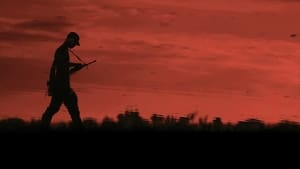
Colombia in My Arms
After 52 years of armed conflict the FARC guerrillas are about to hand over their arms in exchange for political participation and social inclusion of the poor. Ernesto is one of them. The much celebrated Colombian peace agreement throws Ernesto and the polarised society around him into chaos in which everyone is afraid of the future and their own survival.
2022

Handbook of Movie Theaters' History
Handbook of Movie Theaters' History is a documentary about the history, the development in the present days and the future of movie theaters in the city of Turin, Italy. It mixes the documentary language with comedy and fiction, and is enriched by interviews to some of the most important voices of Turin cinematography. The film follows the evolution of movie theaters by enlightening its main milestones: the pre-cinema experiences in the late 19th Century, the colossals and the movie cathedrals of the silent era, the arthouse theaters, the National Museum of Cinema, the Torino Film Festival, the movie theaters system today and the main hypothesis about its future. The mission of Handbook of Movie Theaters' History is to explore and give back to the audience a deep reflection about the identity and the value of movie theater, in its social and anthropological role and as a mass media, and to analyze the experience of the viewer.
2021
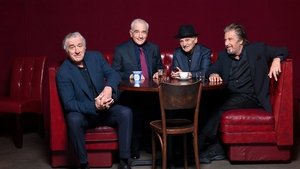
The Irishman: In Conversation
Martin Scorsese, Robert De Niro, Joe Pesci, and Al Pacino in conversation about The Irishman.
2019
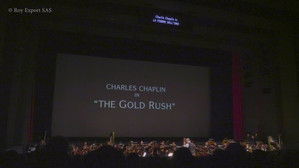
Watch the Tempo
On 18th of December 2017, the Filarmonica Teatro Regio Torino, directed by Timothy Brock, presented "The Gold Rush" by Charles Chaplin, with live performance of the soundtrack. But let's go back a few days: this short film takes us in the backstage of the concert!
2018
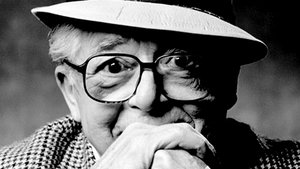
Never Be Boring: Billy Wilder
A funny walk through the life story of Billy Wilder (1906-2002), a cinematic genius; a portrait of a filmmaker who never was a boring man, a superb mind who had ten commandments, of which the first nine were: “Thou shalt not bore.”
2017

Blaxploitalian: 100 Years of Blackness in Italian Cinema
A documentary that uncovers the careers of a population of entertainers never heard from before: Black actors in Italian cinema. With modern day interviews and archival footage, the documentary discloses the personal struggles and triumphs that classic Afro-Italian, African-American and Afro-descendant actors faced in the Italian film industry, while mirroring their struggles with those of contemporary actors who are working diligently to find respectable, significant, and non-stereotypical roles, but are often unable to do so. Blaxploitalian is more than an unveiling of a troubled history; it is a call-to-action for increased diversity in international cinema through the stories of these artists in an effort to reflect the modern and racially diverse Italy.
2016
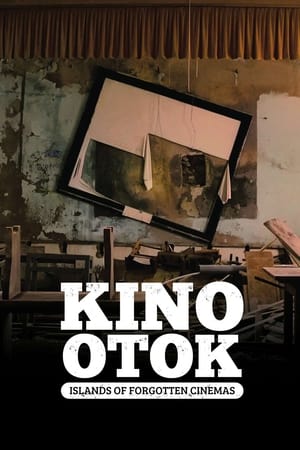
Islands of Forgotten Cinemas
A poetic documentary about the lost film culture in the small villages on the Croatian islands during the SFR of Yugoslavia.
2016
Disney: Through the Looking Glass
Tito del Amo, a passionate 72-year-old researcher, takes the final step to unravel the enigma about the alleged Spanish origin of the American cartoonist Walt Disney, making the same journey that his supposed mother made to give him up for adoption in Chicago. A journey that begins in Mojácar, Almería, Spain, and ends in New York. An exciting adventure, like Alicia's through the looking glass, to discover what is truth and what is not, with an unexpected result.
2010
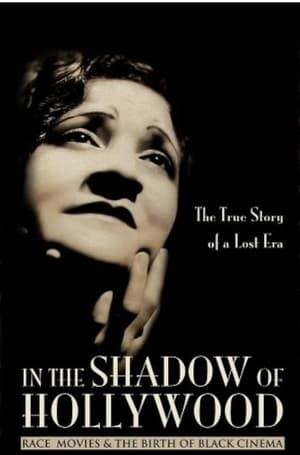
In the Shadow of Hollywood: Race Movies and the Birth of Black Cinema
This documentary captures the sounds and images of a nearly forgotten era in film history when African American filmmakers and studios created “race movies” exclusively for black audiences. The best of these films attempted to counter the demeaning stereotypes of black Americans prevalent in the popular culture of the day. About 500 films were produced, yet only about 100 still exist. Filmmaking pioneers like Oscar Micheaux, the Noble brothers, and Spencer Williams, Jr. left a lasting influence on black filmmakers, and inspired generations of audiences who finally saw their own lives reflected on the silver screen.
2007
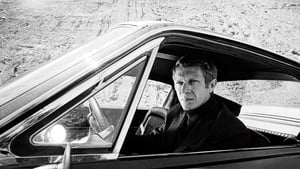
Steve McQueen: The Essence of Cool
Friends, family, co-stars and admirers of actor Steve McQueen talk about his life and his movie career.
2005
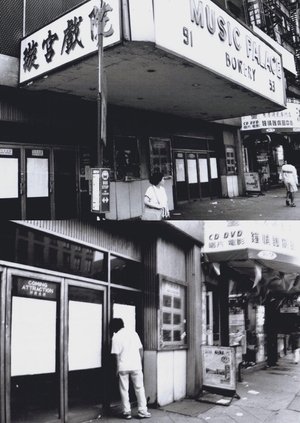
Music Palace
Previously a central part of communal life, the movie palaces of New York’s Chinatown are now extinct. This documentary short takes us inside the title theater located on the Bowery, as it’s about to close its doors, with its caretakers ruefully looking back at the life that once was. Eric Lin’s poignant first film serves as a glimpse into the usually private—and, according to the Music Palace’s projectionist, “lonely”—operations of a theater, and mourns the loss of a once-vital movie-going locale.
2005
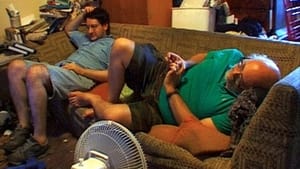
Cinemania
This documentary about the culture of intense cinephilia in New York City reveals the impassioned world of five obsessed movie buffs. These human encyclopedias of cinema see two to five films a day, and from 600 to 2,000 films per year. This is the story of their lives, their memories, their unbending habits and the films they love.
2002

My Voyage to Italy
World-renowned director Martin Scorsese narrates this journey through his favorites in Italian cinema.
1999

Grisha
An up-close look into the life of the often misunderstood movie director Grigori Kromanov through the lens of old friends and colleagues.
1996
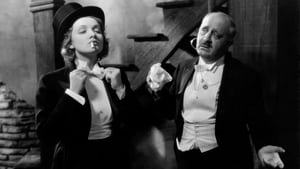
The Celluloid Closet
Exuberant, eye-opening movie that serves up a dazzling hundred-year history of the role of gay men and lesbians have had on the silver screen. Film contains fabulous footage from 120 films showing the changing face of cinema sexuality, from cruel stereotypes to covert love to the activist triumphs of the 1990s.
1996

São Paulo, Cinemacity
Mixing new images to existing São Paulo movies takes, the documentary presents the city from the perspective of five main attributes: transformation, anonymity, crowd, precariousness and dimension.
1994
Thank You, Mr. Robertson
A glimpse of the pre-history of cinema starting with the projections of Etienne Gaspard Robert (also known as M. Robertson), who used magic lanterns and other optical illusions to develop the genre of the Gothic phantasmagoria in the late eighteenth century.
1985
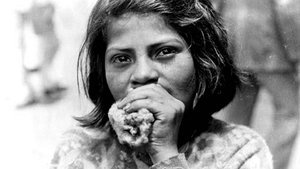
Gamin
After an extensive immersion work on abandoned childhood, Ciro Durán presents, from his point of view, the life of street children, who have broken all family ties and have regrouped to survive in the concrete jungle.
1977
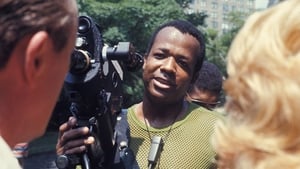
Symbiopsychotaxiplasm: Take One
In Manhattan's Central Park, a film crew directed by William Greaves is shooting a screen test with various pairs of actors. It's a confrontation between a couple: he demands to know what's wrong, she challenges his sexual orientation. Cameras shoot the exchange, and another camera records Greaves and his crew. Sometimes we watch the crew discussing this scene, its language, and the process of making a movie. Is there such a thing as natural language? Are all things related to sex? The camera records distractions - a woman rides horseback past them; a garrulous homeless vet who sleeps in the park chats them up. What's the nature of making a movie?
1968
Los Primeros Ensayos del Cine Parlante Nacional
The first Colombian film with synchronous optical sound.
1937