Watch La Ceinture Dorée (1947) Online Free
La Ceinture Dorée is an institutional documentary film on the Brittany region in France. The different scenes describe the daily life of the Bretons, starting with a geography lesson on Brittany in a classroom. Then a Breton landscape where a painter paints a house, women in headdresses in a procession, bell towers and forgiveness, prayers at Calvaries. Then follow the plans of the boats at the dock and the work of the oyster farmers. Lobster ponds, algae collectors and fertilizer collection. Daily life of the Leonards, preparation of pancakes in front of the fireplace and pancake meal. etc
More Like This

Forced Renewables
In Lopera (Jaén), the ecological transition has turned into a nightmare: centuries-old olive groves are being uprooted to make way for massive photovoltaic plants, in an unfair battle between powerful corporations and the local community. Through firsthand testimonies, striking visuals, and an analysis of the current energy model, Forced Renewables reveals how progress, when poorly planned and disconnected from rural life, can lead to an unprecedented ecological, social, and economic disaster.
2025
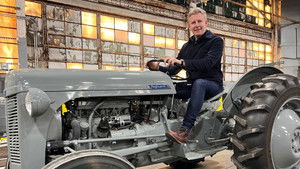
Tractor Wars: Ferguson vs Ford
Patrick Kielty explores the untold story of Harry Ferguson and Henry's Ford's remarkable handshake agreement and how it led to a $250 million lawsuit.
2022
From the Black Earth
From the Black Earth is a collaboration between Bristol based company Cables and Cameras, and a local farmer Humphrey Lloyd. Employing both lucid speakers and poetic camera work, the film poses stark questions such as; why does food poverty exist in a nation of plenty, and why are people of colour so under represented not only in our countryside and farms, but in the environmental movement more broadly? By giving a platform to people of colour who are connecting with nature and working the land, this short documentary starts to unpick these questions...
2022
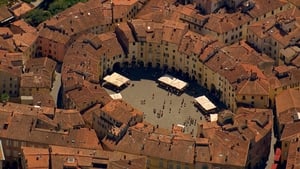
Un jour en Italie
2017

Anais Goes to War
Anaïs is 24 and nothing can stop her. Neither the bureaucratic rules of administration, nor the misogynistic teachers, nor the out-of-order tractor, nor the whims of the weather. One day she will be a farmer and grow her own aromatic and medicinal herbs. The film follows this hard liner, all alone against the rest of the world. She doesn’t care.
2014
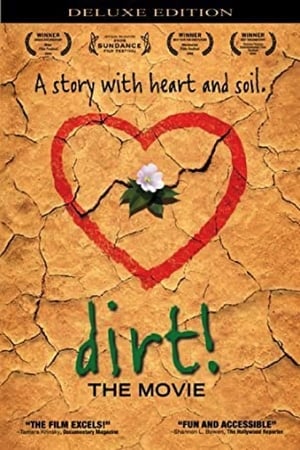
Dirt! The Movie
A look at man's relationship with Dirt. Dirt has given us food, shelter, fuel, medicine, ceramics, flowers, cosmetics and color --everything needed for our survival. For most of the last ten thousand years we humans understood our intimate bond with dirt and the rest of nature. We took care of the soils that took care of us. But, over time, we lost that connection. We turned dirt into something "dirty." In doing so, we transform the skin of the earth into a hellish and dangerous landscape for all life on earth. A millennial shift in consciousness about the environment offers a beacon of hope - and practical solutions.
2009
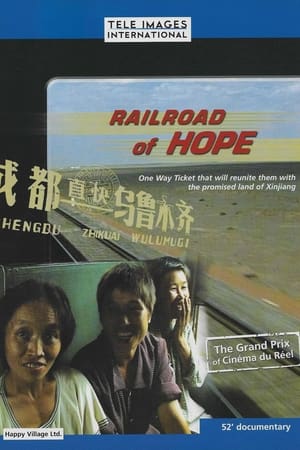
Railroad of Hope
Railroad of Hope consists of interviews and footage collected over three days by Ning Ying of migrant agricultural workers traveling from Sichuan in China's interior, to the Xinjiang Autonomous Region, China's northwest frontier.[1] Through informal interviews aboard the cramped rail cars, Ning Ying explores the hopes and dreams of the workers, many of whom have never left their homes before.
2002
Der Sojakomplex oder Die phantastische Geschichte der eisernen Kuh
The film shows the connection between agricultural overproduction in Europe and hunger in Brazil.
1988
La Mayoría Silenciosa
The silent majority is the Costa Rican peasantry, which has been the object of traditional contempt and which has manifested itself in various forms: unfair salary compensation, bad prices for their agricultural products, financing difficulties, land grabs, precarious housing and educational conditions. health. Precariousness, peasant migrations and the depletion of the agricultural frontier are also analyzed in the film.
1974
Island Observed
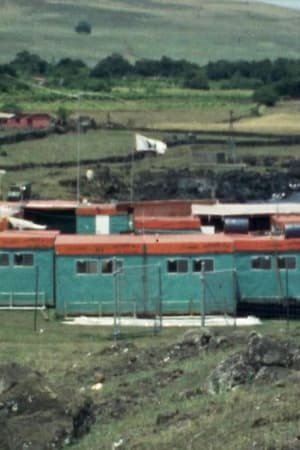
A film record of M.E.T.E.I. (Medical Expedition to Easter Island), one of the most unusual scientific enquiries ever launched, headed by a McGill University research team. While the film is concerned mainly with the physical condition of Easter Islanders, it also provides glimpses of island activities, a village wedding, and the famous long-faced stone sculptures.
1966

Orangen und Zitronen aus Sorrent
On the Sorrento peninsula, orange and lemon groves stretch all the way to the coast. In the orange plantations, the high wooden frames are covered with mats to protect the trees from intense sunlight. The function of the artificial irrigation system is demonstrated. The oculation of trees is demonstrated in a young plantation. The oranges are cleaned on the spot, then sent to the laundry, cleaned, dried and made ready for dispatch. In a lemon plantation, many pickers stand on ladders on a tall tree and remove the fruit. The lemons are sorted, wrapped in tissue paper and packaged in home and large-scale factories. Before being exported, the goods are checked again for quality.
1951
Více cukru
A film about the importance of beet brigades. It shows the preparation of beet seed and the course of the growing season of the sugar beet, especially the moments when farmers cannot do without the help of part-time workers.
1950
Žně míru
Documentary about the harvest of 1950 conceived as a celebration of the joint work of Czechoslovak cooperatives.
1950
Družstevníci z Poběžovic
A film about the work of the unified agricultural cooperative in Poběžovice, which became the winner of the JZD competition in 1950.
1950
Jednotné roľnícke družstvá budujú
Document about the achievements of unified agricultural cooperatives in Slovakia. In the form of an excursion, he takes the viewer around individual cooperatives in order to convince him of the success of new working methods in agriculture.
1950
Společnou brázdou
1948
Zem a stroj
1948
Společně k cíli
1948
Na kořen zla
1948
The Last Word in Chickens
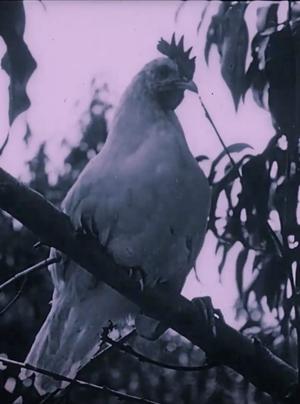
This 10-minute short documentary exploring the shifting state of the American poultry industry was preserved in 2015 from an original nitrate print. More information is available on the film's page in the National Film Preservation Foundation's website, where this version can be found featuring original music by Michael D. Mortilla.
1924