Watch Kurdistan : De Gré Ou De Force (2015) Online Free
Journey to the heart of the conflict between Kurdistan and the armed group Islamic State. This region that has been neglected and ignored for ages is now one of the key destinations for refugees in the region. This medium-length documentary show the spectator the different groups and communities that are either fighting or residing in the Kurd area.
More Like This
L’Irak sous emprise
In 2014, when Mosul, Iraq's second largest city, fell to the Islamic State, the creation of dozens of factions was seen as the solution to organize the Shiite youth who had risen up en masse to fight Daesh and protect Baghdad, which was under threat. These factions were supposed to be a temporary force. In reality, they have never been demobilized, leading the Iraqi state into ever greater instability. How did they become so strategically important in post-Daesh Iraq?
2025
Coal
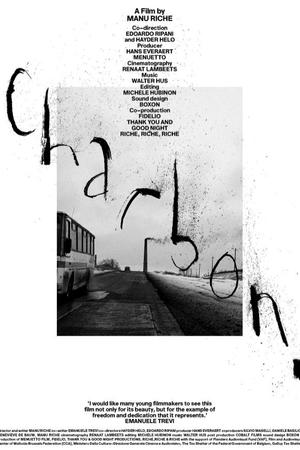
CHARBON depicts how Europe was built on fossil fuels over the past 100 years. And how it was torn apart by wars that were the result of these same fossil fuels. During 3 trips to Ukraine, Italy and Iraq, filmmaker Manu Riche explains how he and his French-German family are inseparably connected to the fate of the Iraqi filmmaker and refugee Hayder Helo.
2025

Nahel, un an après : la révolte étouffée
2024

Cinema AlDunia
This short documentary delves into the world of Cinema Al Dunia in Damascus, exploring the current reality of the cinema and attempting to reveal its future.
2024
100 Miles to Redemption
A poignant story about overcoming our demons and finding hope through darkness. Haunted by the affects of PTSD induced by fighting a war, the physical injuries that led to copious amounts of opiates, the emotional strain of his squad leader committing suicide, losing his best friend from overdosing on heroin, all combined with his drug addiction ultimately left Shawn losing all hope in life.
2022
F@ck This Job
In 2008, Natasha, a newly rich woman, decides to open an independent TV station in Russia and builds an open-minded team of outcasts. By 2020, Natasha has lost everything to Russia's war between Propaganda and Truth.
2022
CORONA.FILM - Prologue
As the first part of our investigation, the CORONA.FILM prologue will delve into the science behind the pandemic. Starting at the very beginning, we shine a light on the responses. The aim is not to point the finger; our aim is to tell the whole story in all its complexity, as we believe that justice cannot prevail if only one side of the story is told.
2021
I’m Not a Slut, I’m a Journalist
More than twenty sports journalists – working mainly on television (BeIN Sports, RMC Sport, France Télévisions, Canal+, TF1) but not only (L'Équipe, Radio France) – testify to the anger, despondency and helplessness they felt when they had to endure the “Yucky jokes”, the « culture de boy’s club » and degrading insults on social networks, while at the same time the presence of women in these programs and in the press has increased. Without forgetting the misogynistic comments, the heaps of small sentences on the physique or the competence, the sexual innuendos… until the moral or sexual harassment.
2021
Salam
In the privacy of her own home, a Syrian woman shares her thoughts and feelings, talking about her existence, and her desire to be open about her sexuality in a conservative society.
2017
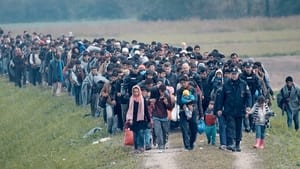
Born in Syria
This intimate documentary follows a group of Syrian children refugees who narrowly escape a life of torment and integrate into a foreign land.
2016
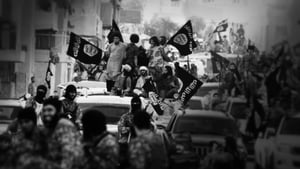
The Secret History of ISIS
Recently released top secret files from the early 2000's expose the lies told to the American people by senior US government in this PBS documentary, which outlines the real creators of ISIS.
2016

Tabloid Workers
This documentary study of the mechanisms that turn the gears of the tabloids is conducted by the unique figure Pavel Novotný. This editor-in-chief of one of the most widely read Czech media outlets of the time, providing news from the world of show business and human misfortune, gets straight to the point. Readership is a fetish, an absolute alibi for all invasions of privacy and every transgression of good ethics. Seen up close, the whole cluster of disreputable reports looks like a staged tableau. Before the eager eyes of an anxious public, celebrities willingly or unwillingly perform acts that the scrutiny of the all-powerful tabloid workers attributes racy significance to.
2014
The Valley of the Jato
In the heart of Sicily, where the Mafia still rules, one man and his family-run TV station, has become the lone voice against corruption and organized crime.
2013
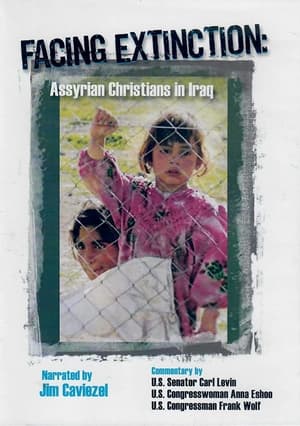
Facing Extinction: Christians of Iraq
The persecution, kidnapping and murder of Assyrian Christians in Iraq is tragically increasing!
2009
It's Hard Being Loved by Jerks
The murder of Dutch filmmaker Theo van Gogh by an Islamic extremist in 2004, followed by the publishing of twelve satirical cartoons depicting the prophet Mohammed that was commissioned for the Danish newspaper Jyllands-Posten, provides the incendiary framework for Daniel Leconte's provocative documentary, It's Hard Being Loved by Jerks.
2008
Standard Operating Procedure
Errol Morris examines the incidents of abuse and torture of suspected terrorists at the hands of U.S. forces at the Abu Ghraib prison.
2008
No End in Sight
Chronological look at the fiasco in Iraq, especially decisions made in the spring of 2003 - and the backgrounds of those making decisions - immediately following the overthrow of Saddam: no occupation plan, an inadequate team to run the country, insufficient troops to keep order, and three edicts from the White House announced by Bremmer when he took over.
2007
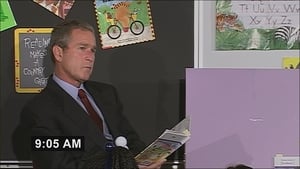
Fahrenheit 9/11
Michael Moore's view on how the Bush administration allegedly used the tragic events on 9/11 to push forward its agenda for unjust wars in Afghanistan and Iraq.
2004
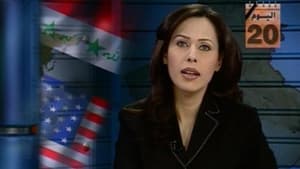
Control Room
A chronicle which provides a rare window into the international perception of the Iraq War, courtesy of Al Jazeera, the Arab world's most popular news outlet. Roundly criticized by Cabinet members and Pentagon officials for reporting with a pro-Iraqi bias, and strongly condemned for frequently airing civilian causalities as well as footage of American POWs, the station has revealed (and continues to show the world) everything about the Iraq War that the Bush administration did not want it to see.
2004

Princess Diana: The Mourning After
In "Diana: The Mourning After" Christopher Hitchens sets out to examine the bogusness of "a nation's grief", tries to uncover the few voices of sanity that cut against the grain of contrived hysteria. His findings suggested that the collective hordes of emotive Dianaphiles sobbing in the streets were not only encouraged but emulated by the media. In the aftermath of Diana's death a three-line whip was enforced on newspapers and on TV, selling the sainthood line wholesale. The suspicion was that journalists, like the public, greeted the death as a chance to wax emotional in print, as a change from the customary knowing cynicism, to wheel out all those portentous phrases they'd been saving up for the big occasion. Sadly, they just seemed to be showboating; the eulogies, laments and tear-soaked platitudes ringing risibly hollow.
1998