Watch Juvenile Court (1973) Online Free
"Juvenile Court" shows the complex variety of cases before the Memphis Juvenile Court: foster home placement, drug abuse, armed robbery, child abuse, and sexual offenses. The sequences illustrate such issues as community protection vs. the desire for rehabilitation, the range and the limits of the choices available to the court, the psychology of the offender, and the constitutional and procedural questions involved in administering a juvenile court.
More Like This
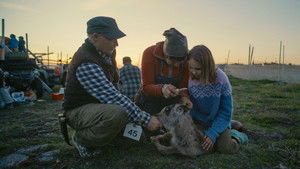
Let Our Mountains Live
Sami reindeer herders win a Supreme Court victory against Europe’s largest wind farm - but when the state refuses to act, their fight reveals a deeper crisis of justice and trust.
2026

Je vais te tuer
This documentary offers a rare look at domestic abuse through the concept of coercive control. With exceptional access to hearings in Poitiers, Colmar, and Paris, Karine Dusfour captures the first French trials to address this form of psychological violence. The film shows how coercive control traps partners through constant monitoring, a hidden terror affecting hundreds of thousands of women and children in France.
2025
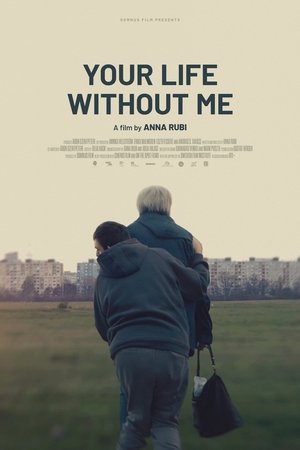
Your Life Without Me
Magdi, a strong-willed, but lonely caregiver faces a daunting reality as she grows older: If she were to pass away, her disabled adult son, Feri would be left to the inhumane conditions of the Hungarian state care system, and would quickly follow her. Determined to secure a future for Feri, Magdi unites with a group of mothers who are in the same situation and they take legal action against the state. “Your Life Without Me” is a story of the strength and sacrifices of these women who find their own voice through the common fight and their community.
2024
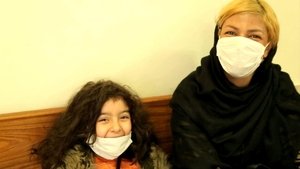
Nila's Dream in the Garden of Eden
Leyla and her six-year-old daughter Nila live in the holy city of Mashhad in Iran. Nila is the result of a temporary marriage, which allows a man to marry a woman even if he is already married. Children born from such a relationship are legally non-existent. As long as the father does not recognize the child, no birth certificate can be issued and Nila cannot attend school. The documentary depicts Leyla's tireless efforts to clarify Nila's legal status in order to offer her a perspective for her future. In a never-ending bureaucratic battle, Leyla fights not only against the legal system, but also against a judgmental society.
2024

Berlin Ulysses
Successfully completed your studies - now what? Raffly already has a lucrative job offer from a large German company, but neither an apartment nor a work permit.
2024
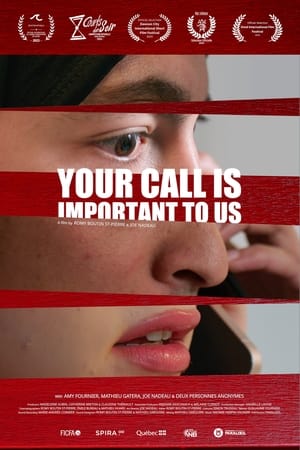
Your Call Is Important To Us
The only thing colder than a Canadian winter is Canadian bureaucracy (probably). Based on five real life stories, Romy Boutin St-Pierre and Joe Nadeau pay homage to the nation-wide stress headache of phone calls with the government in this surprising short.
2023
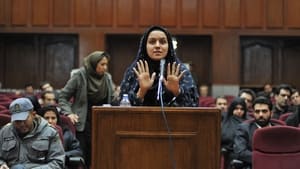
Seven Winters in Tehran
After seven years in prison, a female student in Tehran is hanged for murder. She had acted in self-defence against a rapist. For a pardon, she would have had to retract her testimony. This moving film reopens the case.
2023
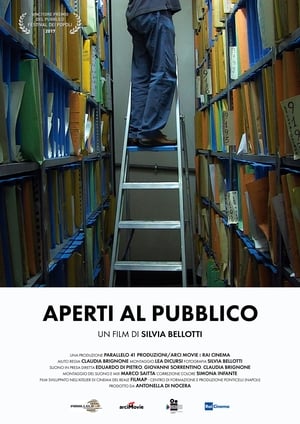
Open to the Public
The Institute for Public Housing in Naples employs about 100 people. When the office is open to the public, employees receive residents who live in the 40,000 houses managed by the institute. Their task is to find solutions to citizens’ problems and trigger the bureaucratic procedures to solve them. But managing these chaotic lives within rigid legal structures is not an easy task and employees are often forced to resort to a singular art: “bureaucratic compromise”. (Tënk)
2018
OJ: Trial of the Century
OJ: TRIAL OF THE CENTURY, premiered on June 12, 2014 and it chronicles the twists and turns of the OJ Simpson murder trial and allows viewers to relive every moment of the investigation first-hand.
2014
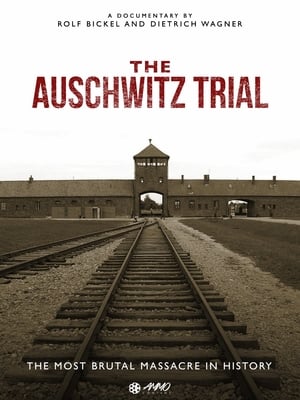
The Auschwitz Trial
The biggest trial of Nazi war crimes ever: 360 witnesses in 183 days of trial - a stunning and gripping portrayal of the most terrible massacre in history.
2013

16 Acres
The dramatic inside story of the monumental collision of interests at Ground Zero in the decade after 9/11.
2012
The Devil and the Death Penalty
This documentary recounts the dysfunctional state of the death penalty in the state of California by revisiting the crimes, arrest, trials and appeals of Lawrence Bittaker, a convicted serial killer who has been on death row at San Quentin since 1981.
2012

Hackers Wanted
Hackers Wanted explores the origins and nature of hackers and hacking by following the adventures of Adrian Lamo, and contrasting his story with that of controversial figures throughout history.
2009

Sicko
A documentary about the corrupt health care system in The United States whose main goal is to make profit even if it means losing people’s lives. "The more people you deny health insurance, the more money we make" is the business model for health care providers in America.
2007
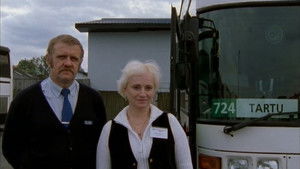
Visions of Europe
Twenty-five films from twenty-five European countries by twenty-five European directors.
2004
Losing It
Tracking missing socks in the European Union.
1999
Little Injustices: Laura Nader Looks at the Law
Anthropologist Laura Nader's first field trip to a Zapotec Indian village in Oaxaca, Mexico, in the late 1950s, led her to study problem-solving in the local courts. There, "little injustices" were the meat of everyday courtroom life.
1981
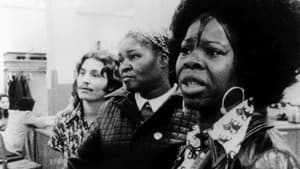
Welfare
WELFARE shows the nature and complexity of the welfare system in sequences illustrating the staggering diversity of problems that constitute welfare: housing, unemployment, divorce, medical and psychiatric problems, abandoned and abused children, and the elderly. These issues are presented in a context where welfare workers as well as clients struggle to cope with and interpret the laws and regulations that govern their work and life.
1975

Law and Order
LAW & ORDER surveys the wide range of work the police are asked to perform: enforcing the law, maintaining order, and providing general social services. The incidents shown illustrate how training, community expectations, socio-economic status of the subject, the threat of violence, and discretion affect police behavior.
1969
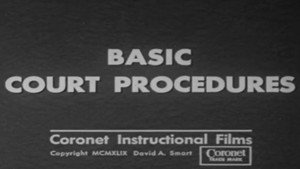
Basic Court Procedures
The film "Basic Court Procedures" explains the workings of the American legal system through a play written and performed by a group of students. It starts with a discussion among the characters about a fictional case involving a person named Lefty James accused of robbing a bank. The characters, playing various roles in the court, illustrate how a trial proceeds, from selecting a jury to presenting evidence and witness testimonies. The film covers direct and circumstantial evidence, the roles of different court officials, and the importance of proper legal procedures to ensure justice. It demonstrates the processes of objection, cross-examination, and the concept of appealing a verdict. Through the narrative, the film educates viewers on the fundamental principles of the court system, emphasizing the court's role in upholding justice and individual rights in a democratic society.
1949