Watch Berlin Ulysses (2024) Online Free
Successfully completed your studies - now what? Raffly already has a lucrative job offer from a large German company, but neither an apartment nor a work permit.
Cast
Raffly
More Like This
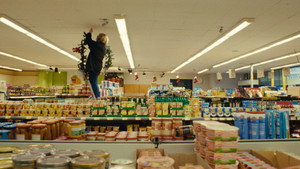
Nothing Remains Nothing Disappears
A Berlin street corner is slowly changing: an aging supermarket turns into a construction site and finally a new building. People restock shelves, demolish walls, take breaks and count money. Those who work here participate in the making and unmaking of the place. How does it shape the conditions of their labor? Between supermarket aisles, construction scaffolding and exposed concrete, different versions begin to overlap. Repetitions appear like echoes between worlds, both playful and eerie.
2026
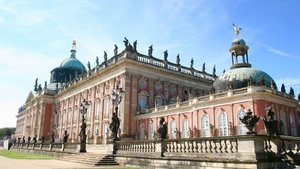
Sanssouci, Friedrichs Paradies
2025
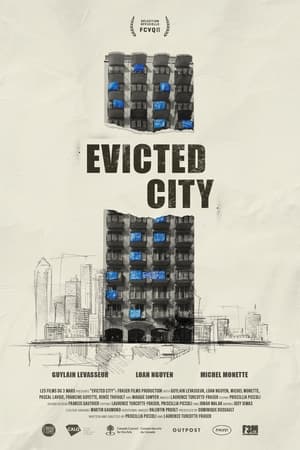
Evicted City
Montreal — one of the few remaining affordable cities in North America — is now in the midst of an unprecedented housing crisis. An intimate portrait of socio-political resistance, this multilayered film explores the human impact of real estate speculation on the cities of tomorrow.
2023
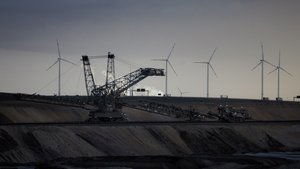
The Unpredictable Factor
In today's climate debate, there is only one factor that cannot be calculated in climate models - humans. How can we nevertheless understand our role in the climate system and manage the crisis? Climate change is a complex global problem. Increasingly extreme weather events, rising sea levels, and more difficult living conditions - including for us humans - are already the order of the day. Global society has never faced such a complex challenge. For young people in particular, the frightening climate scenarios will be a reality in the future. For the global south, it is already today. To overcome this crisis, different perspectives are needed. "THE UNPREDICTABLE FACTOR" goes back to the origins of the German environmental movement, accompanies today's activists in the Rhineland in their fight against the coal industry and gives a voice to scientists from climate research, ethnology and psychology.
2022
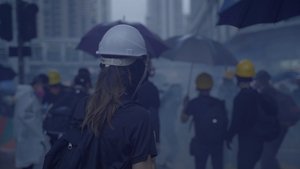
West Estate
West Estate spotlights the severe housing problems in Hong Kong, taking the spirit of resistance outside of the protest. The damaged walls in the cage-like tenements reflect the many forms of social injustice as well as Hongkongers’ widespread sense of rootlessness. Connecting three stories from different households like puzzle pieces, the film depicts people’s despair over issues of family, sexuality, love, and freedom.
2020
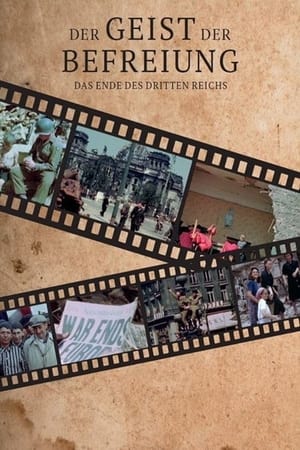
Der Geist der Befreiung – Das Ende des Dritten Reichs
Experience the fall of the Third Reich like never before, the last year of the war and the liberation of Europe from Nazi rule. Documented up close by the most courageous cameramen of their time and uniquely edited. The most authentic documentary about the fall of Hitler's Germany, over ninety minutes of brilliant HD color footage with impressive original commentary from the time.
2017
The Adventure
In 2011, as tens of thousands of migrants, Loss, and Madess Moussa arrived in Europe via Turkey. Required by EU law to remain in Greece, they only want one thing : to leave. Therefore earn the money needed to start is an obsession and all means are good. The film "The Adventure" follows the lives of these three Ivorians to Athens - their sense of enclosure, strategies to find money, failover illegally, attempts to start - and explores what is at stake, individually and collectively during migration: relations to other migrant communities, friendship, betrayal, solidarity, mafias and violence.
2013
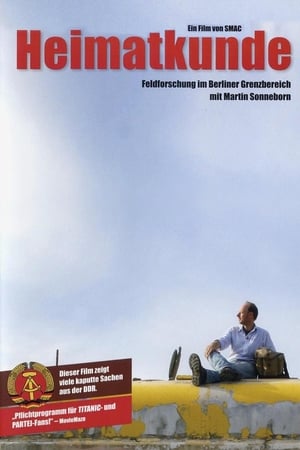
Heimatkunde
Former "Titanic" satire magazine editor Martin Sonneborn takes an undercover trip around Berlin and discovers the East-German mentality and what is left of the socialist German Democratic Republic.
2008

Prinzessinnenbad
A film about three teenagers - Klara, Mina and Tanutscha - from the Berlin district of Kreuzberg. The trio have known each other since Kindergarten and have plenty in common. The three 15-year-olds are the best of friends; they are spending the summer at Prinzenbad, a large open-air swimming pool at the heart of the district where they live. They're feeling pretty grown up, and are convinced they've now left their childhood behind.
2007
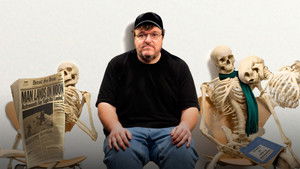
Sicko
A documentary about the corrupt health care system in The United States whose main goal is to make profit even if it means losing people’s lives. "The more people you deny health insurance, the more money we make" is the business model for health care providers in America.
2007
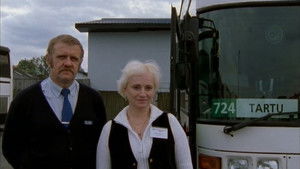
Visions of Europe
Twenty-five films from twenty-five European countries by twenty-five European directors.
2004

Queens Don’t Cry
Bosom buddies BeV StroganoV, Ovo Maltine, Ichgola Androgyn and Tima die Göttliche are four Berlin drag queens who met in the mid 1980s. These four queens became Germany’s most popular drag performers and have been busy fertilizing the German cultural scene. Besides being performers, they are also political activists – in AIDS awareness, anti-gay violence, the sex workers movement and the struggle against the extreme right and racism. The film tells their story.
2002
Losing It
Tracking missing socks in the European Union.
1999
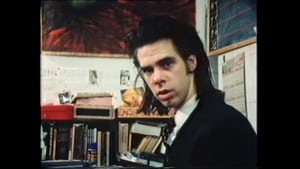
Nick Cave: Stranger in a Strange Land
Documentary made for Dutch television about Nick Cave in Berlin in 1987.
1987
Das Märkische Viertel - Aussichten und Einblicke
Documentary about a district of Berlin
1973
Cronache dell'eternità
1967
Begegnung in Berlin
Short documentary directed by Günter Schlesinger
1965

Berlin under Construction
Documentary short about the rebuilding of Berlin in 1946 from a Soviet perspective, showcasing the social changes that have taken place since the fall of Hitler and of Jews working side-by-side with non-Jewish counterparts.
1946

How the Berlin Worker Lives
This documentary shows how the Berliner workers lived in 1930. The director Slatan Dudow shows through images: a) the workers leaving the factory; b) the raise of the rents; c) the "unpleasant" guest, meaning the justice officer that brings the eviction notice; d) the fight of classes of the houses of capitalists and working classes; e) the parks of the working class; f) the houses of the working class, origin of the tuberculosis and the victims; g) the playground of the working class; h) the swimming pool for the working class, ironically called the "Baltic Sea" of the working class; i) the effects of humidity of basement where a family lives, with one member deaf; j) one working class family having dinner while the capitalist baths his dog; k) the eviction notice received from an unemployed family and their eviction.
1930
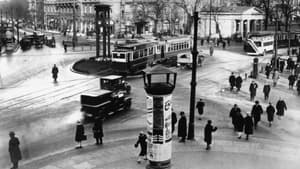
Berlin: Symphony of a Great City
A day in the city of Berlin, which experienced an industrial boom in the 1920s, and still provides an insight into the living and working conditions at that time. Germany had just recovered a little from the worst consequences of the First World War, the great economic crisis was still a few years away and Hitler was not yet an issue at the time.
1927