Watch John Brown's Holy War (2000) Online Free
More Like This
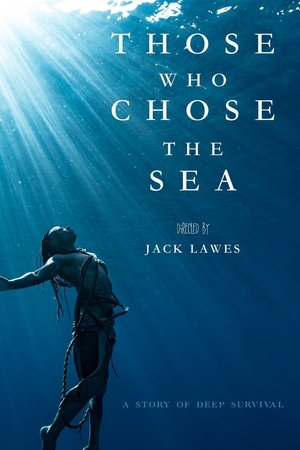
Those who Choose the Sea
Inspired by the powerful true story of the Igbo Landing of 1803, where a group of enslaved Africans chose the ocean over slavery. This poetic film follows African freediver Tatiana Mendes as she confronts her own inner turmoil beneath the surface. Through the discipline of freediving, she dives into more than just water. She descends into inherited trauma, ancestral memory, and the quiet violence of modern life.
2025
Nazaten
Frans Bromet goes in search of his family history and discovers that Hermanus Bromet was a well-known slave trader in Suriname. Should he feel guilty for what his ancestor did? How do you deal with a burdened family past?
2025

1798 - Revolta dos Búzios
One of the most important events in Brazilian history, the Búzios Revolt of 1798 was led by dozens of black men who rose up to overthrow the colonial government, proclaim independence and establish a democratic Republic, free from slavery. The boldness of these men called on the people to make the Revolution and the conspiracy spread to the city of Bahia. The seizure of power is near. But the movement is denounced, the government sets up a Devassa against hundreds of people and four of them are hanged and quartered.
2024
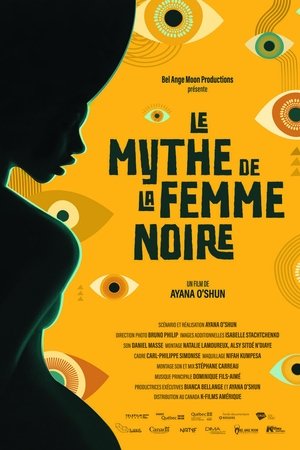
The Myth of the Black Woman
The Myth of the Black Woman is a feature-length documentary that examines the imagery of black women in the media, from the 18th century black slave to Michelle Obama. It is an investigation into how stereotypes originate from slavery and still affect the lives of black women in Quebec. These stereotypes include Jezebel (the seductress, the femme fatale); Mammie (the obese woman, the asexual mother figure) and Sapphire (the angry, ambitious and arrogant black woman). This story will be told by black women on whom stereotypes have a high impact, through interviews with fascinating experts, and through archival footage from centuries past to the present.
2023
Who We Are: A Chronicle of Racism in America
Jeffery Robinson's talk on the history of U.S. anti-Black racism, with archival footage and interviews.
2022

Our Faces Have Been Taken Away
The film tells the story of modern slavery from the perspective of the only Russian organization carrying out mass rescue missions both within the country and abroad.
2021

The Cult Next Door
In 2013, three women emerged from a flat in Brixton. They had been held there for decades by Aravindan Balakrishnan, a revolutionary Maoist who controlled the women with brainwashing techniques and tales of a sinister, world-controlling machine he called 'Jackie'.
2017
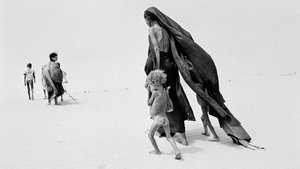
The Salt of the Earth
During the last forty years, the photographer Sebastião Salgado has been travelling through the continents, in the footsteps of an ever-changing humanity. He has witnessed the major events of our recent history: international conflicts, starvations and exodus… He is now embarking on the discovery of pristine territories, of the wild fauna and flora, of grandiose landscapes: a huge photographic project which is a tribute to the planet's beauty. Salgado's life and work are revealed to us by his son, Juliano, who went with him during his last journeys, and by Wim Wenders, a photographer himself.
2014
Not My Life
Not My Life comprehensively depicts the cruel and dehumanizing practices of human trafficking and modern slavery on a global scale. Filmed on five continents, in a dozen countries, Not My Life takes viewers into a world where millions of children are exploited through an astonishing array of practices including forced labor, sex tourism, sexual exploitation, and child soldiering.
2011
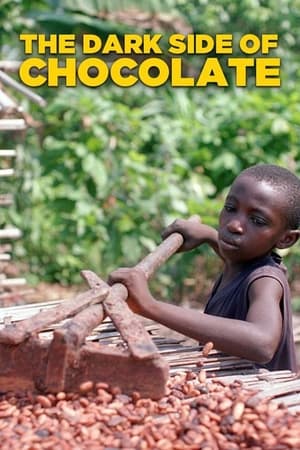
The Dark Side of Chocolate
A team of journalists investigate how human trafficking and child labor in the Ivory Coast fuels the worldwide chocolate industry. The crew interview both proponents and opponents of these alleged practices, and use hidden camera techniques to delve into the gritty world of cocoa plantations.
2010

The Country Upside Down
Returning to the island that her father left 50 years earlier, the filmmaker goes back in time to retrace the history of her name.
2009
The Last Confession of Alexander Pearce
Eight men escape from the most isolated prison on earth. Only one man survives and the story he recounts shocks the British establishment to the core. This story is the last confession of Alexander Pearce.
2009
Meeting David Wilson
African American filmmaker David A. Wilson decided to look into his family's history during the slave era. The result is this documentary, which provides a unique perspective on the long shadow cast by slavery in America. Wilson travels to North Carolina to visit the plantation where his ancestors once toiled and to meet its current owner -- a white man named David Wilson, whose slave-owning ancestors originally occupied the property.
2008
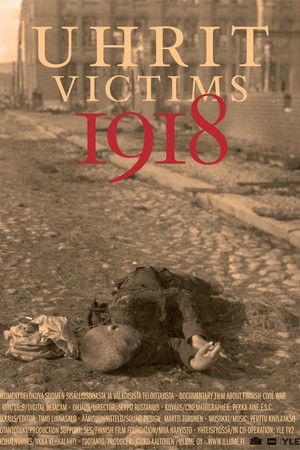
Victims 1918
A documentary on the executions that took place during and after the Finnish civil war in 1918.
2008
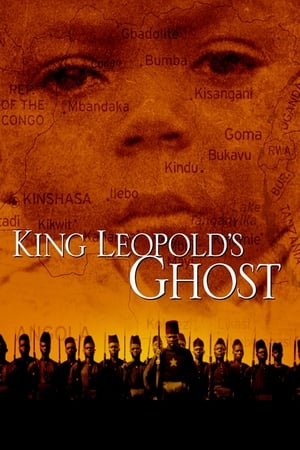
King Leopold's Ghost
The modern history of the Congo, the heart of Africa, is a terrifying tale of appalling brutality: how the greedy and incredibly ruthless King Leopold II of Belgium (1935-1909) turned a vast country into his private estate (1885-1908) and how he plundered the land and raped the bodies and souls of its defenceless inhabitants, causing countless victims; and what exactly is the true impact of this often forgotten story of crime and horror today.
2006
Money as Debt
Paul Grignon's 47-minute animated presentation of "Money as Debt" tells in very simple and effective graphic terms what money is and how it is being created
2006
Unchained Memories: Readings from the Slave Narratives
When the Civil War ended in 1865, more than four million slaves were set free. Over 70 years later, the memories of some 2,000 slave-era survivors were transcribed and preserved by the Library of Congress. These first-person anecdotes, ranging from the brutal to the bittersweet, have been brought to vivid life in this unique HBO documentary special, featuring the on-camera voices of over a dozen top African-American actors.
2003
The Execution Machine: Texas Death Row
Explores the realities of death-row inmates inside Huntsville (Texas) Unit, a prison with the highest number of executions in 1997. Features interviews with prisoners, guards, officials, lawyers and victims' family members.
1997
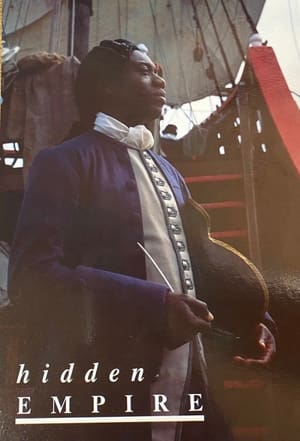
A Son of Africa: The Autobiography of a Slave
A documentary following the life of Olaudah Equiano, based on his autobiography "The Interesting Narration of the Life of Olaudah Equiano, or Gustavus Vassa the African".
1996
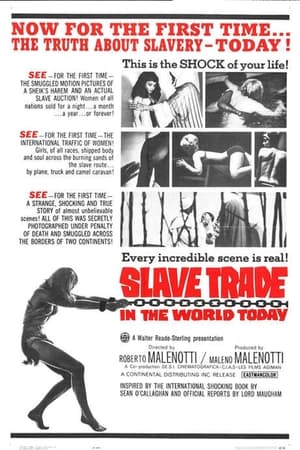
Slave Trade in the World Today
The film documents modern slave trade through a number of African countries, under dictatorship rule. The filming was conducted both in public places, and sometimes with the use of hidden cameras, for high impact scenes of nudity, sex, and violence - and a few surprises, as slaves made out of peregrins to Asia, and slave traders paid in traveller checks.
1964