Watch Fukushima Nuclear Accident: The Secret Containment Mission (2026) Online Free
March 2011: The worst-case scenario for the Fukushima Daiichi nuclear accident involved the evacuation of all of eastern Japan, but a secret plan to contain the crisis was being prepared.
Cast
Bill Sullivan
More Like This
La Guerre, Donald Trump et nous : 2025, l'année de tous les dangers
2025, the year of the intensification of a total and deadly war, which nothing and no one seems able to stop, targeting military personnel and civilians, and which has now claimed more than 1.5 million lives or left that many wounded on both sides. But 2025 is also the year of our break with Donald Trump's America, an America with violent and unpredictable reactions, which risks abandoning the old continent, its most loyal ally for 80 years, for Vladimir Putin. How can we stop this bloodshed on our doorstep? How can we contain the master of the Kremlin, a dictator whose predatory logic threatens to spread beyond Ukraine? Sabotage, ghost ships, interference operations, and drone flights: he is already waging a hybrid war against the rest of Europe. Is armed conflict between Europe and Russia now a possibility?
2026
Tsunami - The flood of 2004 and the consequences
It was one of the greatest natural disasters of all time. On the morning of Boxing Day 2004, a massive tsunami hit the coast of the Indian Ocean. More than 230,000 people died, including many holidaymakers from Germany and France. On the occasion of the 20th anniversary, survivors tell their stories. How has the disaster affected their lives to this day?
2024

Tsunami: 20 Years On
Acclaimed Australian journalist Ray Martin and remarkable Australians return to the epicentre of the tragedy, uncovering incredible stories of hope and resilience.
2024
Radioactive: The Women of Three Mile Island
In this thrilling documentary, indomitable women fight back against the nuclear industry to expose one of the biggest cover-ups in US history: the 1979 Three Mile Island meltdown and its aftermath. The film reveals the never-before-told stories of four intrepid homemakers who take their case all the way to the Supreme Court, and a young female journalist who's caught in the radioactive crossfire.
2024
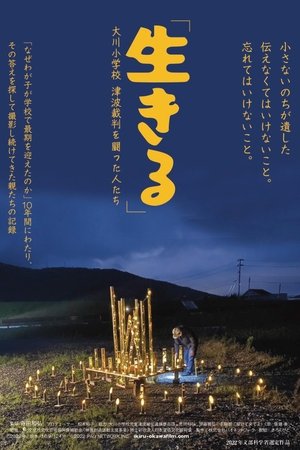
Record of Life: Those Who Fought in the Okawa Tsunami Trial
On March 11, 2011, Okawa Elementary School in Ishinomaki City was engulfed by a tsunami, and 74 children, or 70% of the school's children, were killed. 51 minutes elapsed between the earthquake and when the tsunami reached the school. The school was informed of the tsunami and a school bus was on standby, but students did not evacuate. Okawa Elementary was the only school that suffered a large number of casualties in this earthquake. This documentary follows the lawsuit that followed the disaster, where the parents sought the truth behind the tragedy.
2023
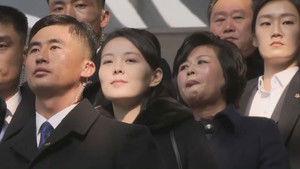
The Red Princess
Who is Kim Yo-jong? In a context of maximum tensions between North Korea and the United States, Pierre Haski paints an unprecedented portrait of the little sister of Kim Jong-un, whose influence in Pyongyang is growing stronger day by day.
2022
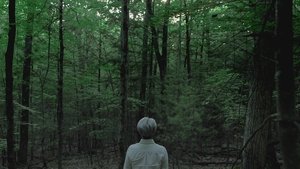
Ryuichi Sakamoto: CODA
Oscar-winning composer Ryuichi Sakamoto weaves man-made and natural sounds together in his works. His anti-nuclear activism grew after the 2011 Fukushima disaster, and his career only paused after a 2014 cancer diagnosis.
2017
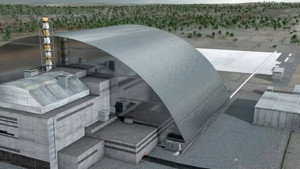
Inside Chernobyl's Mega Tomb
Documentary which follows the construction of a trailblazing 36,000-tonne steel structure to entomb the ruins of the nuclear power plant destroyed in the 1986 Chernobyl disaster.
2016
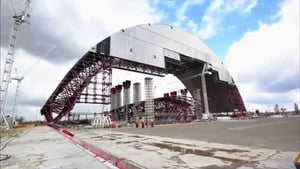
Chernobyl 30 Years On: Nuclear Heritage
Thirty years after the Chernobyl disaster, which occurred on the night of April 26, 1986, its causes and consequences are examined. In addition, a report on efforts to strengthen the structures covering the core of the nuclear plant in order to better protect the population and the environment is offered.
2015
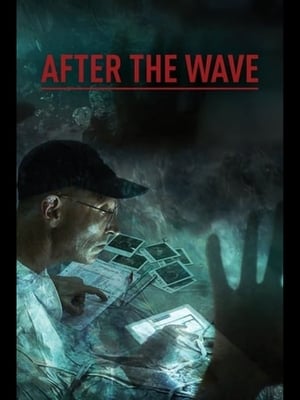
After the Wave
The Boxing Day Tsunami in 2004 was the most devastating natural disaster in modern times, killing 228,000 people across 13 countries in just a few hours. AFTER THE WAVE tells the untold story of this epic forensic operation in Thailand to identify and return home the bodies of over 5,000 victims, both locals and holidaymakers from around the world. Led by a crack Australian team, the best forensic specialists from around the world were in a race against time to give back every victim their identity. Creating forensic history, the international team’s mantra from the outset was ‘we will take them home’, a seemingly impossible ambition but one that almost succeeded. In this film forensic science intersects with powerful stories of survival and loss, attempting to make some sense out of a tragedy so bewilderingly complete that nearly a decade out it still seems far-fetched to most of us.
2014
The Next Mega Tsunami
Ten years after one of the most deadly tsunamis ever known, scientists are making a shocking discovery. Experts used to believe that the biggest killer waves were only generated in a handful of regions, but mounting evidence now suggests that more of the world’s coasts, from the Mediterranean to Australia, could be in grave danger. But where will the next Big One strike?
2014
Tsunamis, du mythe à la réalité
2014
Reflection
Eerie images of landscapes after the Fukushima nuclear disaster shot on black and white 8mm.
2014
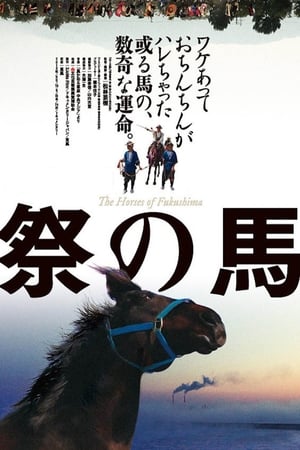
The Horses of Fukushima
Fukushima's Minami-soma has a ten-centuries-long tradition of holding the Soma Nomaoi ("chasing wild horses") festival to celebrate the horse's great contribution to human society. Following the meltdown of the Fukushima Daiichi Nuclear Power Plant in the wake of the March 11, 2011 earthquake and tsunami, local people were forced to flee the area. Rancher Shinichiro Tanaka returned to find his horses dead or starving, and refused to obey the government's orders to kill them. While many racehorses are slaughtered for horsemeat, his horses had been subjected to radiation and were inedible. Yoju Matsubayashi, whose "Fukushima: Memories of the Lost Landscape" is one of the most impressive documentaries made immediately after the disaster, spent the summer of 2011 helping Tanaka take care of his horses. In documenting their rehabilitation, he has produced a profound meditation on these animals who live as testaments to the tragic bargain human society made with nuclear power.
2013
Uranium Drive-In
A new uranium mill -- the first in the U.S. in 30 years -- would re-connect the economically devastated rural mining community of Naturita, Colorado, to its proud history supplying the material for the first atomic bomb. Some view it as a greener energy source freeing America from its dependence on foreign oil, while others worry about the severe health and environmental consequences of the last uranium boom.
2013
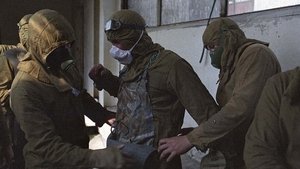
The Battle of Chernobyl
On April 26, 1986, a 1,000 feet high flame rises into the sky of the Ukraine. The fourth reactor of the Chernobyl nuclear power plant just exploded. A battle begins in which 500,000 men are engaged throughout the Soviet Union to "liquidate" the radioactivity, build the "sarcophagus" of the damaged reactor and save the world from a second explosion that would have destroyed half of Europe. Become a reference film, this documentary combines testimonials and unseen footage, tells for the first time the Battle of Chernobyl.
2007

We Are the Guinea Pigs
Farmers and parents of young children, who live in the Harrisburg, Pa., area, discuss their fears of radioactive contamination from the Three Mile Island nuclear reactor accident in 1979. Scientists and physicians also expound on the lethal dangers of nuclear power and the risks in containment processes.
1980

Seabrook 1977
In April 1977, the small coastal town of Seabrook, New Hampshire became an international symbol in the battle over atomic energy. Concerned about the dangers of potential radioactive accidents, over 2,000 members of the Clamshell Alliance, a coalition of environmental groups, attempted to block construction of a nuclear power plant. 1,414 people were arrested in that civil disobedience protest and jailed en masse in National Guard armories for two weeks.
1978
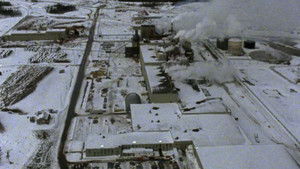
La fiction nucléaire
Filmmaker Jean Chabot looks at the use of nuclear energy in Quebec. Do we need this expensive and dangerous energy?
1978
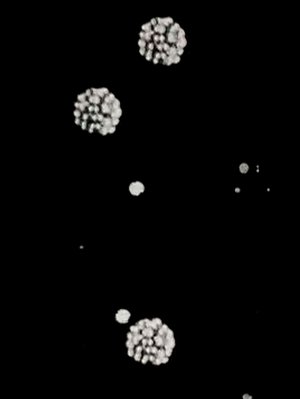
Inside The Atom
This short documentary offers a look at Canada’s Chalk River Project in the late 1940s. While humanity pondered the ultimate threat or promise of atomic energy, Chalk River scientists worked on the first set of experiments that attempted to apply atomic energy to medical and biological uses. Inside the Atom examines this frontier of science and assesses its value in terms of human progress.
1948