Watch Drugs and the Nervous System (1972) Online Free
Loading Cinehub...
This anti-drug film from 1972 uses abstract and modernist animation styles and techniques to depict the effects of different drugs (both legal and illegal) on the human brain and body. Set to eerie music and inter-spliced with live action footage shot in and around Los Angeles, California, you’ll be shown unnerving and psychedelic imagery designed to make you think twice about abusing drugs.
More Like This

I forgive you, Mama
Maya is Ayaibex's daughter, an addict in recovery that feels a blame for damages that caused her daughter, Maya decides to remember her mother's childhood experiences in her world of addiction to seek the redemption of the weight that her mother has loaded for 20 years and get both to forgiveness.
2024
Killer High: The Silent Crisis
The face of drug use in America is changing. Fentanyl, a highly addictive opioid, is making its way into the bedrooms of teenagers, often with just a few text messages or a few taps on a smartphone. "Killer High: The Silent Crisis," explores the drug crisis and impact of fentanyl through the eyes of the families impacted by it, the law enforcement officers desperate to get it off the streets, and the medical professionals who must deal with its deadly consequences.
2021

Electronic Awakening
A documentary following the conscious evolution of electronic music culture and the spiritual movement that has awakened within.
2011
Making a Killing: The Untold Story of Psychotropic Drugging
Psychotropic drugs. It’s the story of big money-drugs that fuel a $330 billion psychiatric industry, without a single cure. The cost in human terms is even greater-these drugs now kill an estimated 42,000 people every year. And the death count keeps rising. Containing more than 175 interviews with lawyers, mental health experts, the families of victims and the survivors themselves, this riveting documentary rips the mask off psychotropic drugging and exposes a brutal but well-entrenched money-making machine. Before these drugs were introduced in the market, people who had these conditions would not have been given any drugs at all. So it is the branding of a disease and it is the branding of a drug for a treatment of a disease that did not exist before the industry made the disease.
2008

Beautiful Dreamer: Brian Wilson and the Story of Smile
This film tells (using modern day interviews and archival footage and sound tapes) the story of how in 1967, while his band The Beach Boys triumphantly toured abroad, Brian Wilson was trying to push the boundaries of conventional pop music with a new follow-up to the Beach Boys' cutting-edge mega-hit, Pet Sounds. The new album was to be called "SMiLE". SMiLE pushed the envelope both musically and lyrically, and was supposed to out-do the Beatles' Sgt. Pepper record. But Brian wasn't able to sell the project to his band-mates when they returned. The project was shelved and Wilson's well-documented decline into depression, drug abuse, recluseness, and obesity had begun. Thirty-odd years later, Wilson announced that in 2004, SMiLE would be performed live in its entirety in London. This film tells the story of a damaged but healing artist bringing his greatest work to light.
2004
War on Drugs: The Prison Industrial Complex
The war on drugs has been going on for more than three decades. Today, nearly 500,000 Americans are imprisoned on drug charges. In 1980 the number was 50,000. Last year $40 billion in taxpayer dollars were spent in fighting the war on drugs. As a result of the incarceration obsession, the United States operates the largest prison system on the planet. Today, 89 percent of police departments have paramilitary units, and 46 percent have been trained by active duty armed forces. The most common use of paramilitary units is serving drug-related search warrants, which usually involve no-knock entries into private homes.
1999

Grass
Marijuana is the most controversial drug of the 20th Century. Smoked by generations to little discernible ill effect, it continues to be reviled by many governments on Earth. In this Genie Award-winning documentary veteran Canadian director Ron Mann and narrator Woody Harrelson mix humour and historical footage together to recount how the United States has demonized a relatively harmless drug.
1999
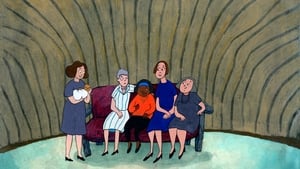
Champagne
The true story of a young teenage girl whose mother is incarcerated for murder. Living in a Catholic Children's home run by an order of nuns, she provides poignant commentary about her mother, her own situation and her outlook for the future.
1996

Philip K Dick: A Day in the Afterlife
A poetic look at the life and legacy of legendary author Philip K. Dick (1928-1982), who wrote over a hundred short stories and 44 novels of mind-bending sci-fi, exploring themes of authority, drugs, theology, mental illness and much more.
1994
Cults: Saying No Under Pressure
Describes how to resist the deception and pressure used to recruit members into cults and keep them there. It also provides advice on how to resist these tactics. The video is designed for young people, parents, educators, counselors, clergy, law enforcement officials, and others.
1991
Cartoon All-Stars to the Rescue
The plot chronicles the exploits of Michael, a teenager who is using marijuana and stealing his father's beer. His younger sister, Corey, is worried about him because he started acting differently. When her piggy bank goes missing, her cartoon tie-in toys come to life to help her find it. After discovering it in Michael's room along with his stash of drugs, the various cartoon characters proceed to work together and take him on a fantasy journey to teach him the risks and consequences a life of drug-use can bring and save the world.
1990
The Flintstone Kids' "Just Say No" Special
A special that shows the young Flintstones trying to raise money so they can go to a concert. The story takes a turn when older kids try to push drugs on them.
1988
Deception of a Generation
Cute and seemingly innocent toys are opening your home to the occult. Witchcraft may well have gained an inroad into your family.
1984

Heavy Metal
The embodiment of ultimate evil, a glowing orb terrorizes a young girl with bizarre stories of dark fantasy, eroticism and horror.
1981

Dead Is Dead
An educational video exploring drug addiction, including footage of real-life addicts going through rehab therapy.
1974
Decade of Death
This highway scare film produced by the Highway Safety Foundation in 1971, "Decade of Death", is a retrospective of the organization's 10 years of gory, shocking social guidance films which aimed to promote traffic safety and driver responsibility through the display of bloody and horrific footage of traffic crashes.The Highway Safety Foundation made driver scare films such as "Signal 30," "Mechanized Death," and "Highways of Agony" that intended to encourage drivers to drive responsibly and with consideration of the risks and consequences. It was the organization's belief that crash footage, while horrific, was the best way to convey the importance of driving safely.
1971

WEED
This 1971 color anti-drug use and abuse film was produced by Concept Films and directed by Brian Kellman for Encyclopedia Britannica. “Weed: The Story of Marijuana” combines time-lapse, montage, illustrations, animation (by Paul Fierlinger and emigre Pavel Vošický) and dramatized, documentary-style interviews to survey the evolving role of cannabis in U.S. society, with emphasis on the legal risks faced by young people. A unique score of experimental synthesizer music is provided by Tony Luisi on an EMS VCS 3 “Putney”
1971
LSD
1967 Navy training film MN-10507-A. Navy physician talks about the dangers of LSD or "Russian roulette in a sugar cube." National Archives Identifier: 6379 "How LSD was discovered, the extreme dangers of using it and how it affects the brain and body."
1967
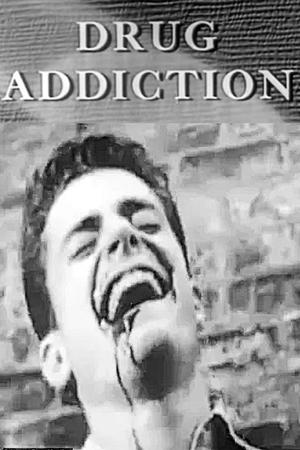
Drug Addiction
Marty, a "good boy," experiments with marijuana and experiences "profound mental and emotional disturbances." As in all anti-drug films of this vintage, marijuana leads straight to "H," and Marty's decline continues until he is busted, rehabbed and reformed. Drug Addiction's stilted view of the urban drug culture and unrealistic portrayals of stoned slackers make it entertaining viewing today. It belongs to that little-known "second wave" of anti-drug films, the postwar scare stories about middle-class kids overcome by junkiedom. What this wave of films reveals is that drugs were an issue for white adolescents long before the psychedelic Sixties, and that the official response to the threat expressed a general, not specifically targeted paranoia.
1951
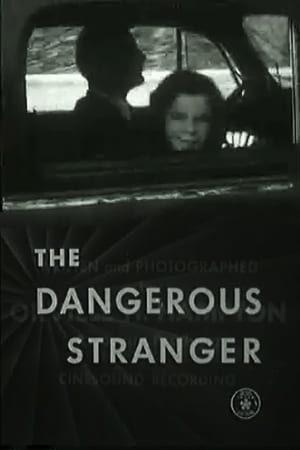
The Dangerous Stranger
In this film, a police officer tells children about the dangers of accepting rides or presents from strangers, and relates the unfortunate stories of several children who did and were never seen again.
1950