Watch Die Macht der Musik - 200 Jahre Beethovens Neunte (2024) Online Free
Composed in 1824, Beethoven's "Symphony No. 9" will celebrate its bicentennial in 2024. With its famous finale based on Schiller's poem "An die Freude" (Ode to Joy), this colossal work is now one of the symbols of European unity. How was this symphony created? And how has it survived two centuries of history?
Cast
Andris Nelsons, Klaus Mäkelä, Riccardo Chailly, Joana Mallwitz, Christian Kuchenbuch
More Like This
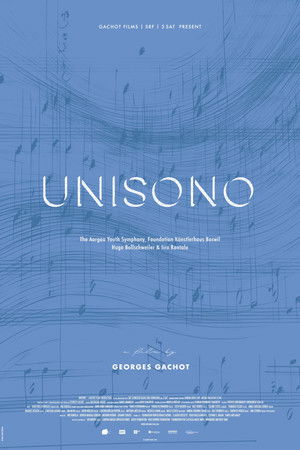
Unisono
When young musicians come together to play classical music, they send out a strong signal to our today’s world. The film follows talented young Swiss musicians as they work, search for inspiration, but also expose their thought how to play nowadays the “old” Classical music.
2026
Beethoven: Symphony no. 9 - Leipzig | Paris | Milan | Vienna
Conductors Andris Nelsons, Klaus Mäkelä, Riccardo Chailly, and Petr Popelka will take turns conducting the four movements of Beethoven's Symphony No. 9. This concert event celebrates the bicentennial of the premiere of Beethoven's masterpiece.
2024

Beethoven's Symphony
After constantly moving, two students finally find the opportunity to start a family by adopting a stray dog.
2022
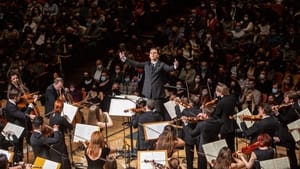
Currentzis conducts Beethoven Symphony No. 9
Ludwig van Beethoven headed for Symphony No. 9 literally his entire life. As early as the 1790s, he had an eye on Ode to Joy, perhaps the most well-known poem by Friedrich Schiller, written on the threshold of the French Revolution (1786). In his mature and, in particular, later years, the deaf composer with an acute ‘hearing vision’ increasingly distanced himself from conventional forms and genres and wrote parts beyond the possibilities of instruments of his day. He nurtured the idea of a symphony with a choir for at least several years. The history of the Ninth’s interpretations includes 200 years of staggering revelations and lingering stagnation. Performed by the musicAeterna orchestra, choir, and guest soloists under the baton of Teodor Currentzis, Beethoven’s opus magnum acquires the original poignancy and energy of a recent discovery.
2022
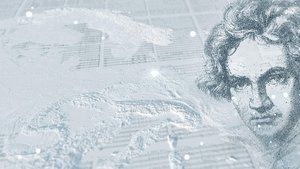
A World Without Beethoven?
"What would the world be like without Beethoven?" That’s the provocative question posed by this music documentary from Deutsche Welle. To answer it, the film explores how Ludwig van Beethoven's innovations continue to have an impact far beyond the boundaries of classical music, 250 years after his birth.
2020

Khatia Buniatishvili and Zubin Mehta: Liszt & Beethoven
Vivaldi, Mozart, and Beethoven serve up an evening of glittering virtuosity and transcendent melody in this unusual, all-concerto program. Filmed at Tel Aviv’s Mann Auditorium in July 2015. Zubin Mehta leads the Israel Philharmonic Orchestra as they accompany three very different 18th-century concertos performed respectively by trumpeters Ram Oren and Yigal Meltzer, clarinettist Ron Selka, and pianist Khatia Buniatishvili. Set-List: Antonio Vivaldi, Concerto for 2 Trumpets in C Major, RV 537 / Wolfgang Amadeus Mozart, Clarinet Concerto in A Major, K. 622 / Ludwig van Beethoven, Piano Concerto No. 1 in C Major, Op. 15.
2016
Beethoven · Die Symphonien
2013
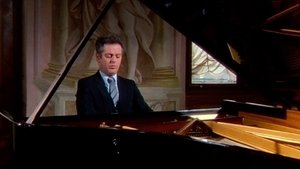
Beethoven: The Complete Piano Sonatas
In this recording, seven-time GRAMMY® Award-winning pianist and conductor Daniel Barenboim tackles the so-called 'New Testament' of music, Ludwig van Beethoven's thirty-two piano sonatas, composed over twenty-five years and embodying the shift of musical taste from the Classic to the Romantic, their performance requires a musician of extraordinary versatility. Daniel Barenboim is one such pianist his recordings run the gamut from Bach and Mozart to Bruckner and Bartók.
2012

Beethoven Missa Solemnis
With this performance of the Missa solemnis Nikolaus Harnoncourt, Honorary Guest Conductor of the Royal Concertgebouw Orchestra, once more attained the status of a living legend, due mostly to his wide-ranging expertise of music from the Baroque and Classical era. The highly acclaimed soloists are Marlis Petersen (Soprano), twice the singer of the year by the renowned Opernwelt magazine, Elisabeth Kulman (Alto), Werner Güra (Tenor), winner of the BBC Music Magazine Award for the best vocal performance, and Gerald Finley (Bass), Grammy-Awardwinner for the best opera recording. They are accompanied by the famous Netherlands Radio Choir.
2012
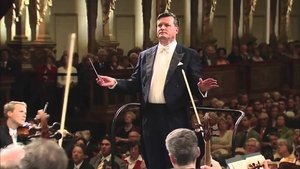
Beethoven: The Complete Symphonies
Christian Thielemann and the Vienna Philharmonic Orchestra performing Beethoven Symphonies 1-9
2010
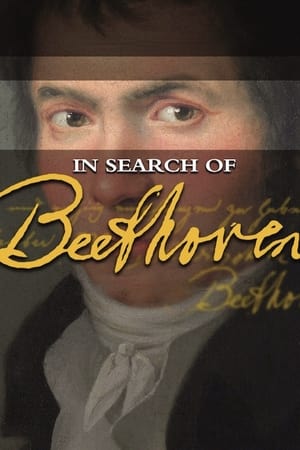
In Search of Beethoven
In Search of Beethoven offers a comprehensive documentary about the life and works of the great composer. Over 65 performances by the world's finest musicians were recorded and 100 interviews conducted in the making of this beautifully crafted film. Eleven interviews are included in the Extras and Six complete movements.
2009
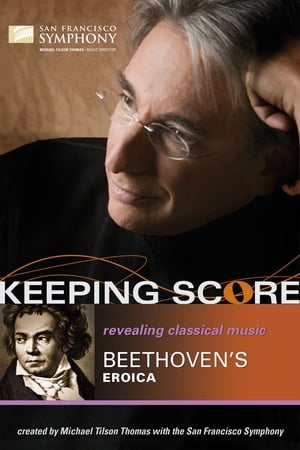
Keeping Score: Beethoven's Eroica
Beethoven spent three years composing the Eroica, an intimate journal of his emotional crises and his dramatic emergence as an original master. Michael Tilson Thomas and the musicians of the San Francisco Symphony help you make sense of this voyage into life as it really is.
2006
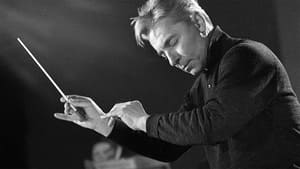
Karajan · Die Symphonien
2005
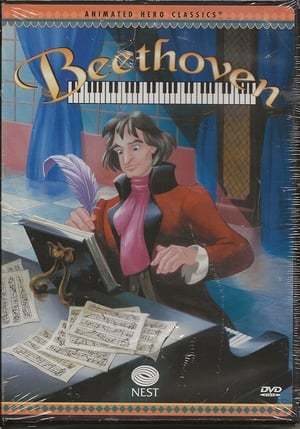
Animated Hero Classics: Beethoven
Even as a young boy, Beethoven marched to the beat of a different drummer. Trained in the traditional music methods by his father, Beethoven was an accomplished pianist by the age of 12. But he yearned to try new sounds and persevered until audiences heard his music. By his early twenties, this persistent young man performed for Joseph Haydn, who compared him to the great Mozart. Sadly, Beethoven began to lose his hearing, but he threw himself even more deeply into his music, composing "Fur Elise," "Sonata Pathetique" and the dramatic "Fifth Symphony" years later, audience members heard what he could not and leapt to their feet in ecstatic appreciation for such passionate music. His creativity gave the world then, as it does today, music that stirs the soul. The video begins in 1827 with 30,000 people paying tribute to the great Beethoven in Vienna, Austria. Then the video switches to his life as a child...
2005
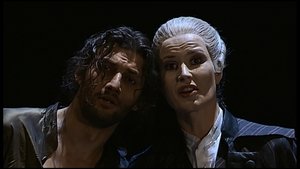
Ludwig van Beethoven - Fidelio
Nikolaus Harnoncourt is the conductor in this 2004 production of Beethoven's only opera staged at the Zurich Opera House. Finnish soprano Camilla Nyland takes the title role, with performances by Jonas Kaufmann, Laszlo Polgar and Alfred Muff.
2004
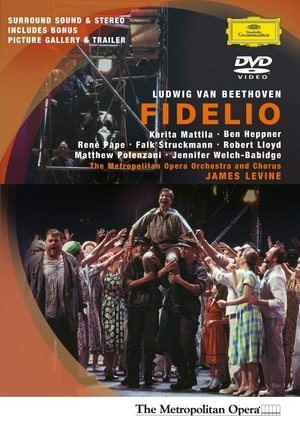
Ludwig van Beethoven: Fidelio
Two years prior to the opening scene, the nobleman Florestan has exposed or attempted to expose certain crimes of the nobleman Pizarro. In revenge, Pizarro has secretly imprisoned Florestan in the prison over which Pizarro is governor. The jailer of the prison, Rocco, has a daughter, Marzelline, and a servant (or assistant), Jaquino. Florestan’s wife, Leonore, came to Rocco’s door dressed as a boy seeking employment, and Rocco hired her. On orders, Rocco has been giving Florestan diminishing rations until he is nearly starved to death. Place: A Spanish state prison, a few miles from Seville; Time: Late 18th century.
2003
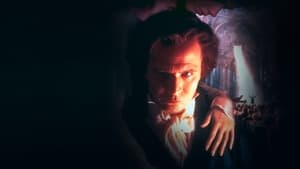
Immortal Beloved
A chronicle of the life of infamous classical composer Ludwig van Beethoven and his painful struggle with hearing loss. Following Beethoven's death in 1827, his assistant, Schindler, searches for an elusive woman referred to in the composer's love letters as "immortal beloved." As Schindler solves the mystery, a series of flashbacks reveal Beethoven's transformation from passionate young man to troubled musical genius.
1994
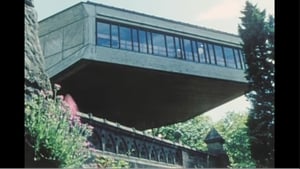
Space and Light
An award-winning wordless documentary that explores the architecture of the then new St. Peter's Seminary which is now seen as one of the most important post-war buildings in the United Kingdom. The film was made in celebration after architect Jack Coia was awarded the RIBA Gold Medal in 1969. Winner of the Medalla de Bronce at the Fifth Union of International Architects Festival in Madrid (1975).
1972
Beethoven - Symphony No. 8
Recording of the Berlin Philharmonic Orchestra conducted by Herbert von Karajan playing Beethoven's 8th Symphony.
1971
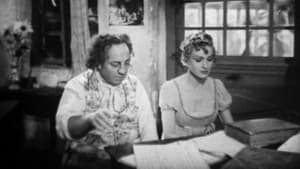
The Life and Loves of Beethoven
Lyrical biography of the classical composer, depicted as a romantic hero, an accursed artist.
1937