Watch Die Kinder sind tot (2004) Online Free
A documentary exploring a crime that shocked Germany in the summer of 1999.
More Like This
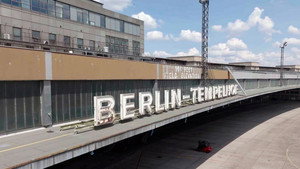
Berlin Tempelhof Airport - Gateway to Freedom
Located in former West Berlin, Tempelhof Airport reflects the dramatic history of the 20th century. Once a Nazi showpiece, it later became a symbol of freedom during the Berlin Airlift and the Cold War. In 1978, East German citizen Constanze Glien unexpectedly arrived here after her flight was hijacked, changing the course of her life.
2024

Change of Scenery
Born in Germany in 2002, Noa Blanche Beschorner evokes the memory of those who, a generation before her, lived through the separation of East and West Germany. Tapetenwechsel (Change of Scenery) is the story of youth seeking their identity when confronting their collective memory.
2022

Uferfrauen - Lesbian Life and Love in the GDR
Portraits six lesbian protagonists from rural and metropolitan parts of the formerly socialist Republic and has them tell their captivating and sometimes outrageous life stories.
2020

OstPunk! Too much Future
Tells the story of punk in the GDR.
2006
Women's Prison
The film recounts the life of the prisoners and the problems their families encounter in their struggle to survive. Here again filmmaker Kamran Shirdel employs the cinema verité style. The interviews with the prisoners, social workers and teachers serve as commentaries for "constructed" documentary images.
1965
Junge Deutsche im Mai
Every year, the most beautiful, best and proudest representatives of German youth meet in Dresden to take to the streets together.

Stasi: A State Against Its People
After the fall of the Berlin Wall, thousands of documents were hastily shredded by the dreaded GDR political police. 16,000 bags filled with six million pieces of paper were found. Thanks to the meticulous work of technology, the destinies of men and women who had been spied on and recorded without their knowledge could be reconstructed.
2021
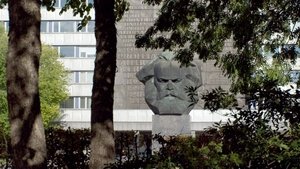
Karl Marx und seine Erben
Over the past hundred years, dramatic social upheavals have taken place in the name of Karl Marx's theories. In Western Europe, the student movement of 1968 and the Eurocommunists were inspired. And in recent times, the thinker has experienced a renaissance.
2018
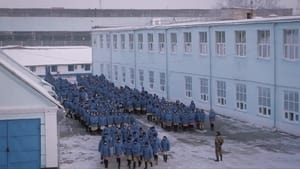
Debut
The soulless atmosphere of a women's penitentiary destroys the prisoners' personality, kills all femininity in them. The film looks at the rationality of the long prison terms for women with children.
2017
Nazi-Karrieren in der DDR?
It was a foundational myth of the GDR that it was anti-fascist and free of Nazis. But was that really the case? The film takes a critical look on the actual way the brown heritage was dealt with in the GDR.
2016
Dragan Wende - West Berlin
Dragan Wende has lived in Berlin since the '70s and has seen the city change through the years. His nephew comes to live with him as Dragan remembers the better days he lived as a Yugoslavian immigrant in a divided city.
2014

Kalter Krieg der Konzerte - Wie Bruce Springsteen den Osten rockte
Berlin, summer 1988: While Michael Jackson and Pink Floyd perform in the West, East Berliners can look forward to Bruce Springsteen, Depeche Mode and James Brown. The documentary reveals how the organizers enforced the concerts with the state authorities. On the anniversary of the fall of the Wall.
2013
The Perfect Victim
For over thirty years, three women have languished in Missouri State prison under unjust sentences for killing their abusive husbands. Denied the opportunity to enter the abuse into evidence, each of the women represents a system broken by outdated and media-sensationalized stereotypes. When a greater understanding of the "battered" syndrome change legal practices in 2000, Missouri's Governor crafts a new law demanding the parole board reevaluate each woman's case.
2012
Přežili jsme svoje děti
2006
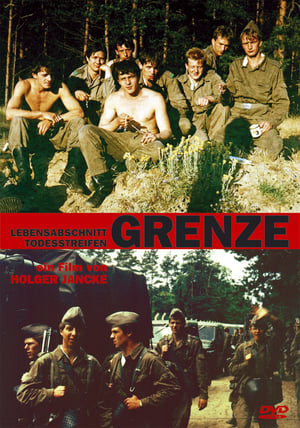
Grenze
In February 1986 they received the call of a fatherland that no longer exists: four young GDR citizens on the verge of adulthood see themselves forced, like so many others in East and West Germany, to do their one and a half years of military service. What is special: Their service area is the border system, an anti-imperialist protective wall according to their superiors, death strips and prison bars for a population incapacitated in naked reality. Now, seventeen years later, there is a reunion with the comrades and the old post. This feature film, which was the first in reunified Germany to deal with the inner workings of the GDR border troops, tells of life on the fence, the associated contradictions and some hot phases in the Cold War.
2004
Im Osten geht die Sonne auf
Energie Cottbus, a small soccer club from the periphery of the republic, got promoted to the first division of the Bundesliga. Everyone was sure: They will get relegated immediately again! But everything turned out differently! The underdog club gave Cottbus — which was to many only known from scare stories about lack of prospects and unemployment – joy, hope, and pride. The film looks behind the scenes and shares the thrill of the people for the finale of the season.
2001

Black Tar Heroin: The Dark End of the Street
The film follows a simple structure, and shows the drug-related degradation of five youths (Jake, Tracey, Jessica, Alice, Oreo) during the course of three years. The film depicts drug-related crimes and diseases: prostitution, male prostitution, AIDS, and lethal overdoses.
2000
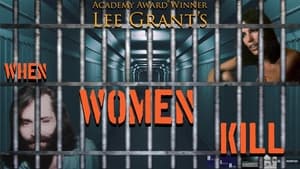
When Women Kill
When Women Kill is a poignant documentary exploring the shocking violence that seven women fell victim to at the hands of men. The program profiles the battered women who speak frankly about the cruel abuse, threats, and fears, and the overassertive men who led them down a one-way path to death and destruction. The film features in-prison footage, including a segment depicting a confession by a follower of the notorious Charles Manson, Leslie Van Houten, who was convicted of two killing sprees and committed to life in prison.
1983
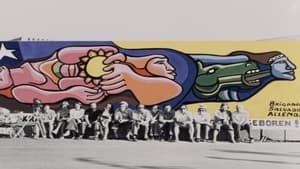
La Brigada – A Mural for the Unidad Popular in Dresden
During the 16th Workers' Festival in Dresden in 1976, a student group of Chilean emigrants paints a mural symbolically depicting the activity of the Unidad Popular during Salvador Allende's reign. Festival guests comment on this work. Music by Chilean music group Jaspampa, formed in Leipzig in 1972.
1976
Přátelství ve jménu míru
1952