Watch Dennis: The Man Who Legalized Cannabis (2020) Online Free
He’s known as the “father of medical marijuana.” He was an early advocate of its health benefits for HIV/AIDS patients and, with his partner John Entwistle Jr., started the first Cannabis Buyer's Club to distribute cannabis to AIDS patients and others in medical need. Together with Bay Area filmmakers, Bone & Gold, we’ve created “Dennis: The Man Who Legalized Cannabis” to tell the story of veteran, LGBTQ+ and cannabis activist, Dennis Peron, who despite repeated arrests and intimidation from authorities, successfully co-authored and passed proposition 215 in 1996, making California the first state to legalize cannabis for medical use.
Cast
John Entwistle Jr., Dennis Peron
More Like This

Cheech & Chong's Last Movie
Exploring their 5-decade career performing stand-up, making records, and starring in hit films. It covers their lives, comedy partnership, and lasting influence on pop culture.
2025

Cannabis vs. Cancer
A look at the people who use and champion the treatment of cancer with Cannabis.
2020
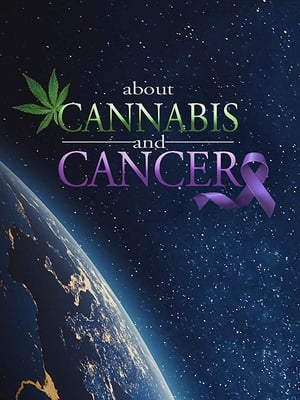
About Cannabis and Cancer
Documentary of the folk who use and defend treating cancer and other illnesses with Marijuana
2019
Hempfest: No Prison for Pot
The "Homegrown" documentary DVD about the world's largest pot rally...the Seattle Hempfest.
2011

The Botany of Desire
Featuring Michael Pollan and based on his best-selling book, this special takes viewers on an exploration of the human relationship with the plant world — seen from the plants' point of view. Narrated by Frances McDormand, the program shows how four familiar species — the apple, the tulip, marijuana and the potato — evolved to satisfy our yearnings for sweetness, beauty, intoxication.
2009
Mr. Untouchable
The true-life story of a Harlem's notorious Nicky Barnes, a junkie turned multimillionaire drug-lord. Follow his life story from his rough childhood to the last days of his life.
2007
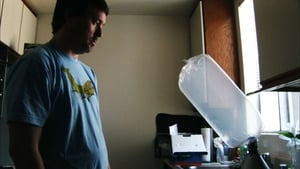
Super High Me
Determined to find out the true effects of marijuana on the human body, stand-up comedian and former Stoner of the Year Doug Benson documents his experience avoiding pot for 30 days and then consuming massive amounts of the drug for 30 days. More than just an amusing story of one man's quest to get superhigh, this documentary also examines the hotly contested debate over medical marijuana use.
2007
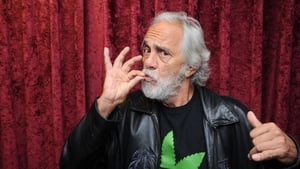
AKA Tommy Chong
Documentary about Tommy Chong's federal prosecution under the Bush administration for selling bongs over the Internet.
2006
Grass
Marijuana is the most controversial drug of the 20th Century. Smoked by generations to little discernible ill effect, it continues to be reviled by many governments on Earth. In this Genie Award-winning documentary veteran Canadian director Ron Mann and narrator Woody Harrelson mix humour and historical footage together to recount how the United States has demonized a relatively harmless drug.
1999
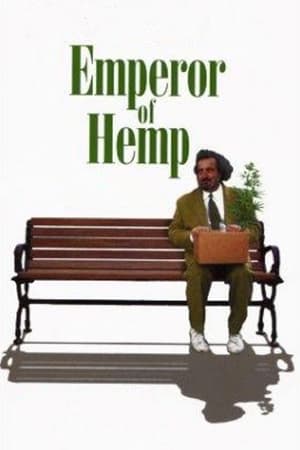
Emperor of Hemp
This documentary chronicles the life of Jack Herer and his struggle for awareness and enlightenment of cannabis sativa, a.k.a. marijuana or hemp. His research into this plant culminates in his writing The Emperor Wears No Clothes: The Official Hemp Bible. He has dedicated his life to educating people about the history and many utilizations of hemp, the conspiracy against it, and ending marijuana prohibition.
1999
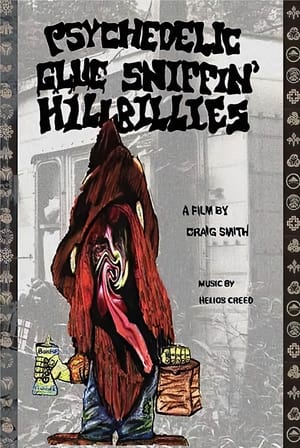
Psychedelic Glue Sniffin' Hillbillies
A documentary by Craig Smith shot in West Virginia, USA; on the drug taking and sexual promiscuity within the USA.
1993

Comic Book Confidential
A survey of the artistic history of the comic book medium and some of the major talents associated with it.
1989
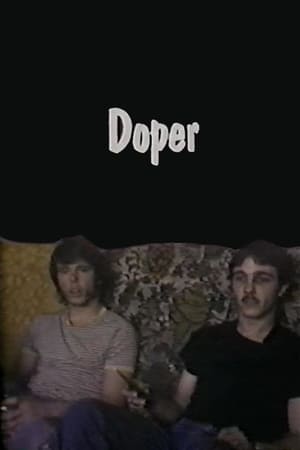
Doper
Documentary following some stoner friends over the course of roughly a day. Featured here is Bill, a guy who got kicked out of the Marines for doing dope steadily for six years (I'm not gonna do it forever--or maybe I will, who knows?) and Barry, a forklift-driving doper who wins the Employee of the Month plaque while stoned (Live for yourself--live today and then worry about tomorrow when it gets here--that's the way I go).
1987
Reading, Writing, and Reefer
Made for TV documentary on the widespread habitual use of marijuana among schoolchildren and teenagers in the 1970s. Part of the NBC Special Treat series.
1979

Aphrodisiac: The Love Secret
A documentary examining the use of marijuana by young people in the late 1960s and early 1970s. Included are interviews with people who regularly use marijuana and testify to its beneficial effects as an aphrodisiac and scenes of nude encounter groups, instructions for making marijuana brownies, soldiers in Vietnam smoking marijuana, etc.
1971
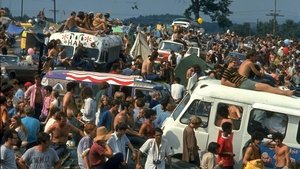
Woodstock
An intimate look at the Woodstock Music & Art Festival held in Bethel, NY in 1969, from preparation through cleanup, with historic access to insiders, blistering concert footage, and portraits of the concertgoers; negative and positive aspects are shown, from drug use by performers to naked fans sliding in the mud, from the collapse of the fences by the unexpected hordes to the surreal arrival of National Guard helicopters with food and medical assistance for the impromptu city of 500,000.
1970

High Landz
High up in the Northern California mountains there is a place, where not too many get to visit. Its called - The Emerald Triangle, real mecca of Americas cannabis game. Follow a ukrainian journalist Luka on a journey that explores lifes of real growers and hustlers and the dangers that come with it.
WEED
This 1971 color anti-drug use and abuse film was produced by Concept Films and directed by Brian Kellman for Encyclopedia Britannica. “Weed: The Story of Marijuana” combines time-lapse, montage, illustrations, animation (by Paul Fierlinger and emigre Pavel Vošický) and dramatized, documentary-style interviews to survey the evolving role of cannabis in U.S. society, with emphasis on the legal risks faced by young people. A unique score of experimental synthesizer music is provided by Tony Luisi on an EMS VCS 3 “Putney”
1971
Parks and People: Dope
The transcript discusses the prevalent drug culture, particularly marijuana use, among youth in national parks. It highlights the perception that marijuana is less harmful than harder drugs and reflects on the challenges park rangers face in enforcing drug laws. While acknowledging the existence of drug trafficking, the narrative emphasizes that marijuana use is often seen as a minor issue compared to alcohol consumption or harder narcotics. The conversation also touches on the need for a more nuanced understanding of drug use, suggesting that current laws may be overly stringent and not reflective of societal attitudes.
1970

Pay-Off In Pain
The personal and social tragedy of drug addiction with its evil accompaniment, drug traffic. Over the side of the silent liner in the darkness slips the package of smuggled narcotics, introducing us to the complex problem which involves all races and classes of man. We see many aspects of addiction - the addict preparing an injection, a group waiting tensely for their dope peddler; agents preparing and adulterating the illegal product; the police catching a pusher red-handed. International and national authorities are working from two angles - suppression of the illicit traffic; and where possible, rehabilitation of the addict.
1948