Watch Colebrook: A Place of Healing & Learning (2022) Online Free
Colebrook Blackwood Reconciliation Park is where the Colebrook Training Home once stood. It is now a permanent memorial for the Aboriginal children of the “Stolen Generation” and their families.
More Like This
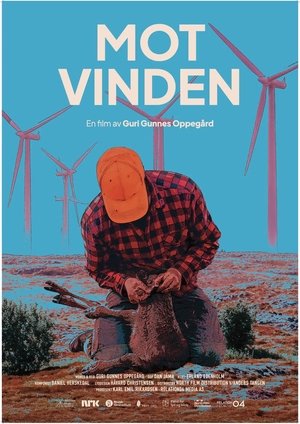
Mot vinden
2025

The Lost Children
After a plane crash, four indigenous children fight to survive in the Colombian Amazon using ancestral wisdom as an unprecedented rescue mission unfolds.
2024
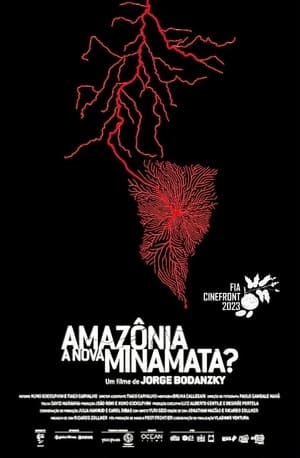
Amazônia, a Nova Minamata?
2022
Documentário Brasil Tupinambá
2021
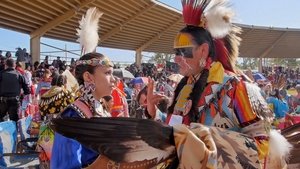
Kímmapiiyipitssini: The Meaning of Empathy
Follow filmmaker Elle-Máijá Tailfeathers as she creates an intimate portrait of her community and the impacts of the substance use and overdose epidemic. Witness the change brought by community members with substance-use disorder, first responders and medical professionals as they strive for harm reduction in the Kainai First Nation.
2021
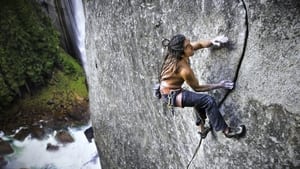
Deep Roots
Lonnie Kauk’s personal journey to honor his indigenous Yosemite roots, and to connect with his legendary father by repeating his iconic climbs.
2020
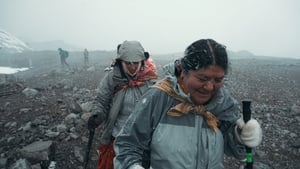
Cholitas
Five Bolivian indigenous women share one goal: climbing the highest mountain in America.
2020
Tawai: A Voice from the Forest
Explorer Bruce Parry visits nomadic tribes in Borneo and the Amazon in hope to better understand humanity's changing relationship with the world around us.
2017
Our People Will Be Healed
Legendary documentary filmmaker Alanis Obomsawin provides a glimpse of what action-driven decolonization looks like in Norway House, one of Manitoba's largest First Nation communities.
2017
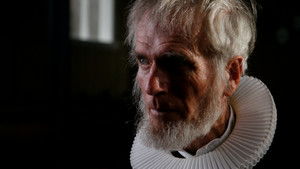
En prest og en plage
The priest Børre Knudsen is Norway's most infamous anti-abortionist, and much hated for this. He fought for his cause without thinking about the consequences for his family and his children even in the worlds most democratic country.
2014
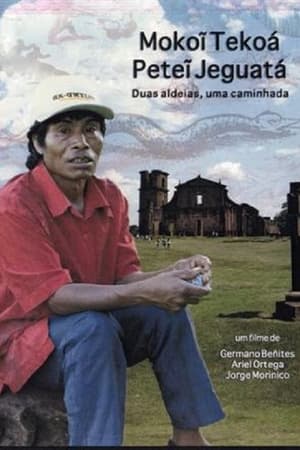
Two villages, one single walk
With no Forest left to hunt and no land to cultivate, the Maby-Guarani depend on the sale of their handcraft to survive. Three young Guarani filmmakers accompany the daily life of two comunities united by the same history, since the first contact with the Europeans until the intense coexistence with today’s White people.
2008
One of Many
A woman with indiginous roots in her 40s goes on a trip into her past: When she was four years old she had been taken away from her mother by the canadian authorities, like many others. This is her very sad story as an example for many others.
2004
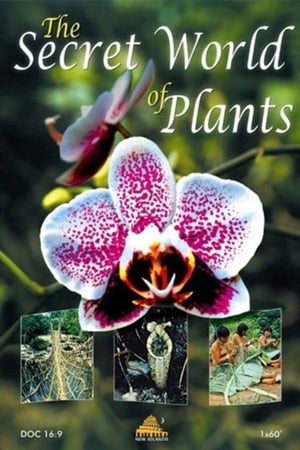
The Secret World of Plants
The secret world of plants gets us closer to these motionless and quiet creatures, so attractive and surprising as the rest of the living creatures. The documentary reveals the most unknown aspects of the vegetable kingdom. We learn about the secret of the eternal youth of a 3500 years old sequoia and be charmed by the 'rafflesia arnoldi' flowers, able to reach up to one meter of diameter.
2003
Our Indians
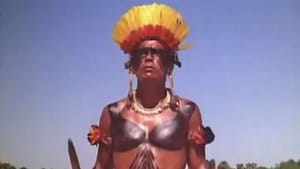
Yndio do Brasil is a collage of hundreds of Brazilian films and films from other countries - features, newsreels and documentaries - that show how the film industry has seen and heard Brazilian indigenous peoples since they were filmed in 1912 for the first time: idealised and prejudiced, religious and militaristic, cruel and magic.
1995
Bill Reid
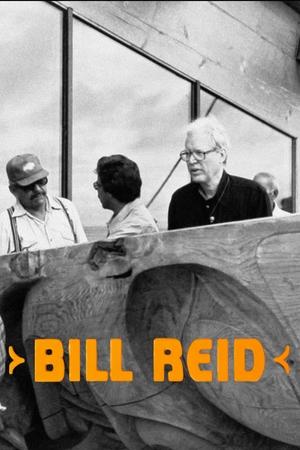
Follows Haida artist Bill Reid, from British Columbia. A jeweller and wood carver, he works on a traditional Haida totem pole. We watch the gradual transformation of a bare cedar trunk into a richly carved pole to stand on the shores of the town of Skidegate, in the Queen Charlotte Islands of B.C.
1979
Wandering Spirit Survival School
Wandering Spirit School, organized by concerned parents, broke with tradition by introducing subjects that are of particular relevance to its pupils. Traditional Indigenous stories, traditions, languages and crafts balance the program of academic subjects required by the Ontario Ministry of Education. The experience of the children at Wandering Spirit is contrasted with the very different life experienced by their parents, educated in the old residential schools.
1978
Potlatch...a strict law bids us dance
Presents the history of the conflict between the Canadian government and the Kwakiutl Indians of the Northwest Pacific over the ritual of the Potlatch. Archival photographs and films, wax roll sound recordings, police reports, the original potlatch files, and correspondence of agents form the basis of the reconstruction of period events, while the film centres on a Potlatch given today by the Cranmer family of Alert Bay.
1975
Cree Hunters of Mistassini
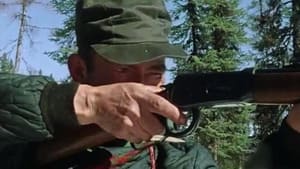
An NFB crew filmed a group of three families, Cree hunters from Mistassini. Since times predating agriculture, this First Nations people have gone to the bush of the James Bay and Ungava Bay area to hunt. We see the building of the winter camp, the hunting and the rhythms of Cree family life.
1974
The Colours of Pride
Tom Hill, a Seneca artist and curator, explores the works of four contemporary Indigenous artists.
1973

This Was the Time
When Masset, a Haida village in Haida Gwaii (formerly known as the Queen Charlotte Islands), held a potlatch, it seemed as if the past grandeur of the people had returned. This is a colourful recreation of Indigenous life that faded more than two generations ago when the great totems were toppled by the missionaries and the costly potlatch was forbidden by law. The film shows how one village lived again the old glory, with singing, dancing, feasting, and the raising of a towering totem as a lasting reminder of what once was.
1970