Watch Brother, Can You Spare a Dime? (1975) Online Free
Period music, film clips and newsreel footage combined into a visual exploration of the American entertainment industry during the Great Depression.
Cast
Laverne Andrews, Maxene Andrews, Patty Andrews, Fred Astaire, Warner Baxter, Wallace Beery, Brooks Benedict, Constance Bennett, Jack Benny, Busby Berkeley, Irving Berlin, Willie Best
More Like This
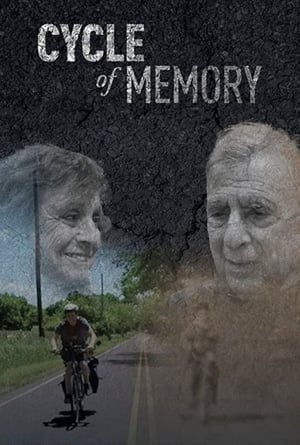
Cycle of Memory
Mel Schwartz escaped the Great Depression on a bicycle adventure he'd remember for the rest of his life... until Mel lost his memory to Alzheimer's. Now over seventy-five years later, his grandchildren set out to recreate his life-changing journey and find those memories before they slip away. Cycle of Memory explores the importance of intergenerational connection, healing painful pasts, and leaving a meaningful time capsule for the future.
2022
12 Mighty Orphans
Haunted by his mysterious past, a devoted high school football coach leads a scrawny team of orphans to the state championship during the Great Depression and inspires a broken nation along the way.
2021
The Dust Bowl
Exploring the devastation of the 1930s, Lisa Jackson shapes amateur-shot archival film from a South Dakota town and audio interviews of residents who lived through the Great Depression to craft a moving and powerful allegory of contemporary financial corruption.
2016

Chuck Norris vs Communism
In late eighties, in Ceausescu's Romania, a black market VHS bootlegger and a courageous female translator brought the magic of Western films to the Romanian people and sowed the seeds of a revolution.
2015
The Latino List
Documentary film interviews leading Latinos on race, identity, and achievement.
2011

These were the reasons
This film takes us into the harsh realm of BC's early coal mines, canneries, and lumber camps; where primitve conditions and speed-ups often cost lives. Then, the film moves through the unemployed' struggles of the '30s, post WWII equity campaigns, and into more recent public sector strikes over union rights.
2011
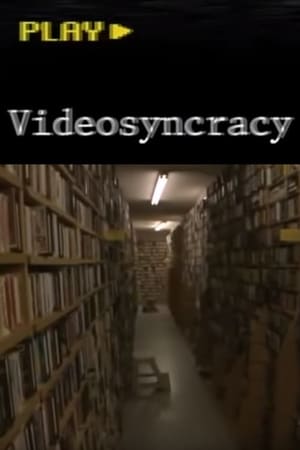
Videosyncracy
As the dissociated convenience of the Internet and globalized corporate culture continue to shut down brick-and-mortar video stores, what will happen to the longstanding, local hangouts with their rugged individuals known as clerks and the communities who love them? Videosyncracy follows three very different video rental stores as they negotiate their survival in three distinct Los Angeles neighborhoods: Old Bank DVD in the Downtown arts district, Vidiots in sunny seaside Santa Monica, and Eddie Brandt’s Saturday Matinee in bustling North Hollywood. Their stories chronicle not only the birth and twilight of a particular kind of corner store, but also decades of personal lives intertwined with those of their communities, the new challenges and facilities of a rapidly changing world, and an enduring love of the movies, a slice of Americana on the brink of disappearance yet defiant to the end.
2010

Cleanflix
When a small Utah-based edited movie company is caught sanitizing Hollywood's copyrighted material, the film industry strikes back with a devastating blow.
2009
You Must Remember This: The Warner Bros. Story
Jack L. Warner, Harry Warner, Albert Warner and Sam Warner were siblings who were born in Poland and emigrated to Canada near the turn of the century. In 1903, the brothers entered the budding motion picture business. In time, the Warner Brothers moved into film production and would open their own studio in 1923.
2008
FDR: A Presidency Revealed
For twelve years he stood as America's 32nd President, a man who overcame the ravages of polio to pull America through the Great Depression and WWII. From his legendary Fireside Chats to his sweeping New Deal, Franklin Delano Roosevelt revolutionized the American way of life. FDR: A Presidency Revealed examines one of history's most compelling figures. Inspired by his cousin Teddy Roosevelt, Franklin D. Roosevelt rose to the nation's highest office during the depths of one of its darkest periods. A man of few words, he brought a nation together through his revolutionary Fireside Chats. He introduced vast reforms like Social Security and work relief for the unemployed. At the same time, his administration hid a dark underbelly teeming with covert maneuvers, spy rings, and powerful enemies.
2005
Seabiscuit
True story of the undersized Depression-era racehorse whose victories lifted not only the spirits of the team behind it but also those of their nation.
2003
Schlock! The Secret History of American Movies
Hollywood is a town of tinsel and glamour; but there is another Hollywood, a place where maverick independent exploitation filmmakers went toe to toe with the big guys and came out on top.
2001
My Voyage to Italy
World-renowned director Martin Scorsese narrates this journey through his favorites in Italian cinema.
1999
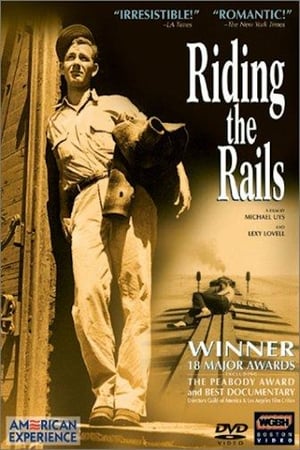
Riding the Rails
Riding the Rails offers a visionary perspective on the presumed romanticism of the road and cautionary legacy of the Great Depression. The filmmakers relay the experiences and painful recollections of these now-elderly survivors of the rails. Forced to travel more by economic necessity than the spirit of adventure, the film's subjects dispel romantic myths of a hobo existence and its corresponding veneer of freedom. Riding the Rails recounts the hoboes' trade secrets for survival and accounts of dank miseries, loneliness, imprisonment, death, and dispossession. Sixty years later, the filmmakers transport their subjects back to the tracks, where the surging impact of sound and movement resuscitates memories of a shattered adolescence and devastating rite of passage.
1997
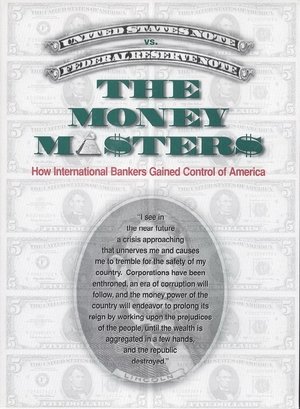
The Money Masters
A documentary that traces the origins of the political power structure that rules our nation and the world today. The modern political power structure has its roots in the hidden manipulation and accumulation of gold and other forms of money.
1996
FDR
Franklin Delano Roosevelt is one of the most revered and influential Americans of this century. The subject of hundreds of books and countless plays, films, and television programs, he has become an icon for an entire generation. Until this definitive 4-hour documentary based on two books by senior creative consultant and FDR biographer Geoffrey Ward, the personal motivations and physical and emotional trails that marked his life remained elusive. By interviewing dozens of those who knew FDR or had chronicled his career, by uncovering rare and previously unseen footage of his public appearances and private life, and by weaving them together in a taut and compelling narrative beautifully read by David McCullough, writer/producer David Grubin presents the most complete account to date for Mr. Roosevelt. For this achievement, a Peabody Award was presented to David Grubin Productions and The American Experience for FDR.
1994

São Paulo, Cinemacity
Mixing new images to existing São Paulo movies takes, the documentary presents the city from the perspective of five main attributes: transformation, anonymity, crowd, precariousness and dimension.
1994
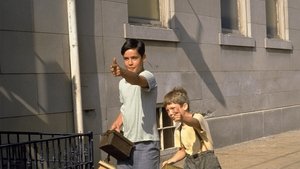
King of the Hill
Based on the Depression-era bildungsroman memoir of writer A. E. Hotchner, the film follows the story of a boy struggling to survive on his own in a hotel in St. Louis after his mother is committed to a sanatorium with tuberculosis. His father, a German immigrant and traveling salesman working for the Hamilton Watch Company, is off on long trips from which the boy cannot be certain he will return.
1993

A Ribbon In The Sky
A documentary covering the planning, construction, and legacy of the Blue Ridge Parkway.
For Twenty Cents A Day
A film documenting work shortages during the Depression of the 1930s and the attempts to deal with the unemployed, in particular young men. The film discusses the establishment of relief camps and projects, where men were paid twenty cents per day; the founding of organizations such as the Co-operative Commonwealth Federation (CCF), Workers' Unity League, and Relief Camp Workers' Union; general unionization and protest of the unemployed, including the On To Ottawa Trek, Regina Riot, sit-in strike from May to June 1938 at the Vancouver Main Post Office, Vancouver Art Gallery and Hotel Georgia, and the resulting Bloody Sunday of June 19.
1979