Watch Black Nations/Queer Nations? (1995) Online Free
This is an experimental documentary chronicling the March 1995 groundbreaking conference on lesbian and gay sexualities in the African diaspora. The conference brought together an array of dynamic scholars, activists and cultural workers including Essex Hemphill, Kobena Mercer, Barbara Smith, Urvashi Vaid and Jacqui Alexander to interrogate the economic, political and social situations of diasporic lesbians, gay men, bisexual and transgendered peoples. The video brings together the highlights of the conference and draws connections between popular culture and contemporary black gay media production. The participants discuss various topics: Black and queer identity, the shortcomings of Black nationalism, and homophobia in Black communities. Drawing upon works such as Isaac Julien's "The Attendant" and Jocelyn Taylor's "Bodily Functions", this documentary illuminates the importance of this historic conference for Black lesbians and gays.
Cast
Jocelyn Taylor, Isaac Julien
More Like This
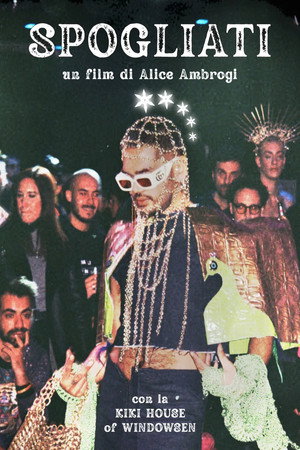
Spogliati
A documentary that explores the reality of the LGBTQIA+ community through the perspective of those who, excluded from their families of origin, have built new bonds and forms of belonging. At the center of the film is the House of Windowsen, an emerging presence in the Italian ballroom scene, made up of Gian, the overall father, Morgan Sasha, and Concetta. Following their lives between Milan, Rome, and Naples, the film weaves together personal experiences and shared journeys, offering a direct portrait of ballroom culture and the dynamics of a chosen family that is atypical and non-nuclear. It is a narrative that highlights identities, relationships, and the need to create a space in which to exist.
2026
Disco: Soundtrack of a Revolution
From the sweaty basement bars of 70s New York to the glittering peak of the global charts, how disco conquered the world - its origins, its triumphs, its fall and its legacy.
2023
Kenyatta: Do Not Wait Your Turn
An inspiring love story about a self-described “poor, gay, black man from North Philly” on his historic run for the United States Senate. But this race is about more than taking on the political competition. It’s about taking on an entire system.
2023
Indestructible
He is a sensitive boy who represses his true personality. After experiencing traumatic experiences, our protagonist begins to open to the world on a journey that made him the person who is. This is not the complete story, but shows a trajectory of overcoming and change.
2022
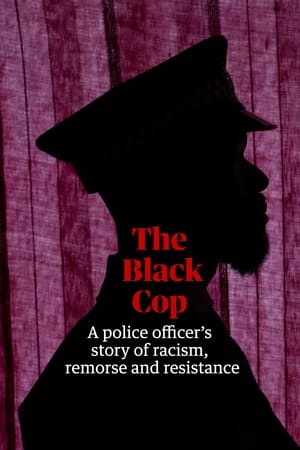
The Black Cop
The Black Cop follows a former police officer’s experience of being both the victim and perpetrator of racism within the police. It’s a riveting confessional about compromise, fortitude and self-discovery - to find a way through systemic racism and homophobia, by pioneering and championing rights within the force and wider society.
2021

Being BeBe
The intimate journey and unpublished backstory of BeBe Zahara Benet – a charismatic drag performer originally from Cameroon, and the very first winner of the culture-changing phenomenon, RuPaul’s Drag Race. With over a decade of unprecedented access, we observe BeBe’s struggles with celebrity, authenticity, success, and failure.
2021

The Beauty President
In 1992, at the height of the AIDS pandemic, activist Terence Alan Smith made a historic bid for president of the United States as his drag queen persona Joan Jett Blakk. Today, Smith reflects back on his seminal civil rights campaign and its place in American history.
2021
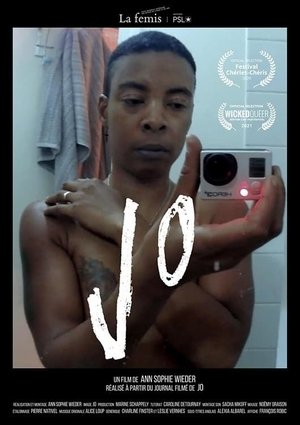
Jo
Jo is a 40-year-old transgender man addicted to cocaine. This addiction prevents him from achieving his transition in good conditions, and from maintaining fulfilling relationships. He is trying to quit drugs and to make a fresh start.
2020
Maurice Hines: Bring Them Back
Maurice Hines -- actor, director, singer, and choreographer -- navigates the complications of show business while grieving the loss of his more famous, often estranged younger brother, tap dance legend Gregory Hines.
2019

Black Fag
A short film that gives voice and space for LGBTQIA+ blacks to express themselves freely, by reporting and documenting stories which are transformative for the viewer, proposing the correlation and criticism of two forms of social oppression: homophobia and machismo.
2017
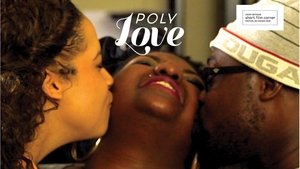
Poly-Love
A documentary that approaches polyamory from the intimate point of view of an Afro-American family who decided to live an authentic life without denying the option of diversity in their love and family.
2016
Game Face
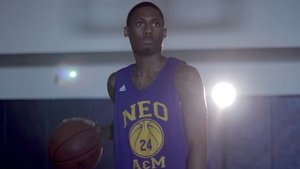
Game Face shows the quest to self-realization of LGBT athletes and the acceptance in society. The film follows athletes during their coming out process, and sheds light on the obstacles LGBT sports players deal with throughout their career.
2015
Swoopes
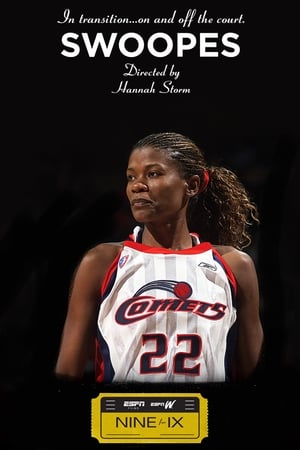
Sheryl Swoopes famously has been labeled as the female Michael Jordan, but that's only part of the story. On the court, she was nearly as dominant as Jordan, winning a national championship with Texas Tech, three Olympic gold medals, three MVP awards and four consecutive championships with the Houston Comets of the WNBA, the league she helped start. She even had a Nike shoe named after her, the Air Swoopes. Off the court, she has had a life full of transitions. She gave birth to her son, Jordan, during the inaugural season of the WNBA. Later, she divorced her high school sweetheart and became the highest-profile athlete in her sport to acknowledge she was gay. She has struggled with love, money and personal identity, but has never lost her spirit. In this portrait, you will meet someone who is not your everyday superstar, but a woman who has defied a multitude of labels.
2013
Rise Up and Shout!
Rise Up And Shout! tells the story of four generations of creative gay voices in Los Angeles who unite to create a theatrical showcase for gay youth on September 9, 2006. In the process, a unique community is created made up of young and old, black and white, shy and loud -- including an 83 year-old priest and an 18 year old former prostitute and poet.
2007
Brother Outsider: The Life of Bayard Rustin
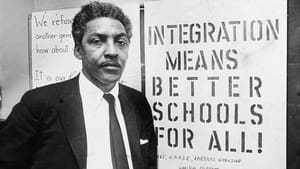
Documentary on Bayard Rustin, best-remembered as the organizer of the 1963 March on Washington.
2003
Bill T. Jones: Still/Here
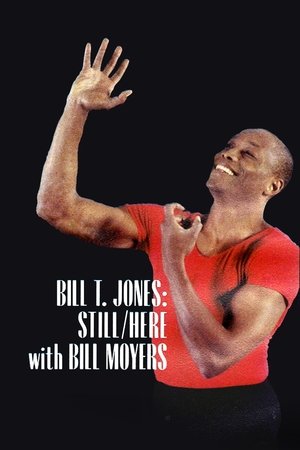
Bill Moyers and filmmaker David Grubin give viewers a rare glimpse into dancer/choreographer Bill T. Jones’s highly acclaimed dance Still/Here. At workshops around the country, people facing life-threatening illnesses are asked to remember the highs and lows of their lives, and even imagine their own deaths. They then transform their feelings into expressive movement, which Jones incorporates into the dance performed later in the program. For this documentary, Jones demonstrates the movements of his own life story: his first encounter with white people, confusion over his sexuality, his partner Arnie Zane’s untimely death from AIDS, and Jones’s own HIV-positive status.
1997

Black Is… Black Ain’t
African-American documentary filmmaker Marlon Riggs was working on this final film as he died from AIDS-related complications in 1994; he addresses the camera from his hospital bed in several scenes. The film directly addresses sexism and homophobia within the black community, with snippets of misogynistic and anti-gay slurs from popular hip-hop songs juxtaposed with interviews with African-American intellectuals and political theorists, including Cornel West, bell hooks and Angela Davis.
1995
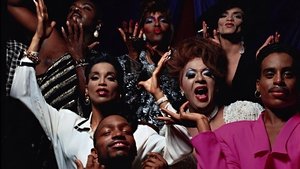
Paris Is Burning
Where does voguing come from, and what, exactly, is throwing shade? This landmark documentary provides a vibrant snapshot of the 1980s through the eyes of New York City's African American and Latinx Harlem drag-ball scene. Made over seven years, PARIS IS BURNING offers an intimate portrait of rival fashion "houses," from fierce contests for trophies to house mothers offering sustenance in a world rampant with homophobia, transphobia, racism, AIDS, and poverty. Featuring legendary voguers, drag queens, and trans women — including Willi Ninja, Pepper LaBeija, Dorian Corey, and Venus Xtravaganza.
1991
Tongues Untied
Marlon Riggs, with assistance from other gay Black men, especially poet Essex Hemphill, celebrates Black men loving Black men as a revolutionary act. The film intercuts footage of Hemphill reciting his poetry, Riggs telling the story of his growing up, scenes of men in social intercourse and dance, and various comic riffs, including a visit to the "Institute of Snap!thology," where men take lessons in how to snap their fingers: the sling snap, the point snap, the diva snap.
1990
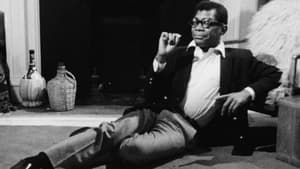
Portrait of Jason
Interview with Jason Holliday aka Aaron Payne. House-boy, would-be cabaret performer, and self-proclaimed hustler giving one man's gin-soaked, pill-popped view of what it was like to be black and gay in 1960s United States. Preserved by the Academy Film Archive in partnership with Milestone Films in 2013.
1967