Watch Black Is… Black Ain’t (1995) Online Free
African-American documentary filmmaker Marlon Riggs was working on this final film as he died from AIDS-related complications in 1994; he addresses the camera from his hospital bed in several scenes. The film directly addresses sexism and homophobia within the black community, with snippets of misogynistic and anti-gay slurs from popular hip-hop songs juxtaposed with interviews with African-American intellectuals and political theorists, including Cornel West, bell hooks and Angela Davis.
Cast
Marlon Riggs, Angela Davis, bell hooks, Essex Hemphill, Cornel West, Maulana Karenga, Barbara Smith, Michele Wallace
More Like This
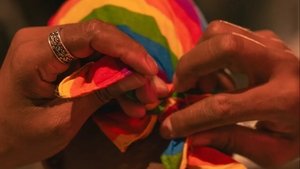
Ce feu qu'on tait - Fragments d'une jeunesse queer
Guynel and Diovany are two young queer men with radically different personalities but from the same island, Martinique. After three years away, Guynel returns to his homeland to reconnect with his roots, his loved ones, and to come out to his father. Diovany, meanwhile, is about to finish his studies and is preparing to compete in one of Martinique’s first “Balls.” It marks the beginning of a dream that will likely one day lead him to the Parisian drag scene. Two intertwined destinies that, through their search for identity, tell the story of queer youth in Martinique and their passage into adulthood.
2025
What We Can Know About Edmond and Basile
An exploration of Edmond Dédé and Basile Barès were 19th-century New Orleans composers of color. Dédé, born free, was an orchestral composer and violist, known for his opera Morgiane. Barès, born into slavery, was a pianist and composer of music for dance halls, unique for being the only known American composer with a copyright assigned to his work while enslaved.
2025

Tarik Shah: Don't Play Like Them
Tarik Shah, supremely talented Muslim American jazz bassist, endured 15 years of unjust imprisonment. Shah toured with jazz legend Betty Carter and was invited to play at President Bill Clinton's inauguration, only to be unfairly targeted by the FBI after 9/11. This is the inspirational true story of his music, resilience, and unconquerable spirit
2025
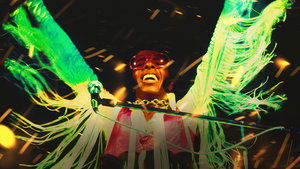
SLY LIVES! (aka The Burden of Black Genius)
An examination of the life and legacy of Sly & The Family Stone – the groundbreaking band led by the charismatic Sly Stone – that captures the band's reign while shedding light on the burden that comes with success for Black artists in America.
2025
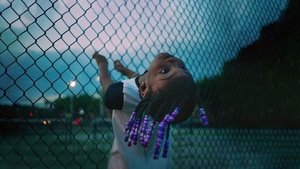
Daughters
Four young girls prepare for a special Daddy Daughter Dance with their incarcerated fathers, as part of a unique fatherhood program in a Washington, D.C., jail.
2024
Alain Jean-Marie, impressions cubaines
On the occasion of his 80th birthday, an intimate documentary follows the illustrious pianist and great French jazz musician, Alain Jean-Marie from Guadeloupe, on a recent trip to Cuba. He talks about his career, his adolescence, and his youth in Guadeloupe, where he was rocked and deeply influenced by Cuban music. Director Bertrand Fèvre followed this now essential artist in Havana, to be discovered or rediscovered through a film set to jazz.
2024

Kid Rock
Full of nostalgia and charm, Kid Rock is an exposé of a young black man, Tadros Eyob’s journey into rock climbing in British Columbia.
2023
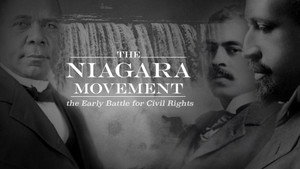
The Niagara Movement: The Early Battle for Civil Rights
An examination of the heated debate and conflict between W.E.B DuBois and William Monroe Trotter with Booker T. Washington on how to best uplift the race and secure equality for their community, which led to the Niagara Movement, a short-lived movement that laid the cornerstone of the civil rights movement.
2023

The Beauty President
In 1992, at the height of the AIDS pandemic, activist Terence Alan Smith made a historic bid for president of the United States as his drag queen persona Joan Jett Blakk. Today, Smith reflects back on his seminal civil rights campaign and its place in American history.
2021
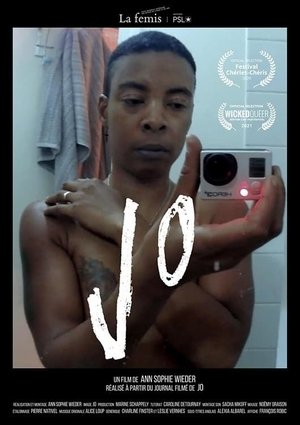
Jo
Jo is a 40-year-old transgender man addicted to cocaine. This addiction prevents him from achieving his transition in good conditions, and from maintaining fulfilling relationships. He is trying to quit drugs and to make a fresh start.
2020
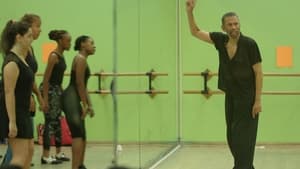
Maurice Hines: Bring Them Back
Maurice Hines -- actor, director, singer, and choreographer -- navigates the complications of show business while grieving the loss of his more famous, often estranged younger brother, tap dance legend Gregory Hines.
2019
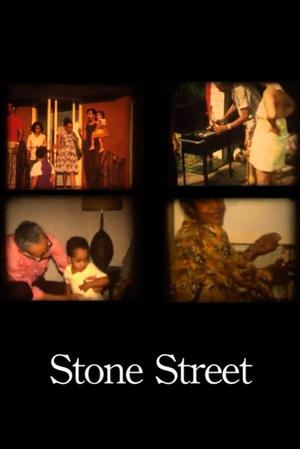
Stone Street
Stone Street documents the life and experiences of a Trinidadian diaspora family and their enduring connection to the long standing family home in Port of Spain. Through the intersecting journeys of this extended and extensive family, the filmmaker explores themes of home, belonging and identity in a life defined by the fragmentary nature of a migratory Caribbean culture. This experimental documentary combines a lyrical first person voice with a family archive of home made audio visual artifacts, interviews and events. As the documentary explores the fragmentary nature of Caribbean identity, it simultaneously celebrates the fragments of domestic memorializing found in home movies, videos and photographs. Stone Street uses these various forms to evoke the experience of a complex and diverse Caribbean and Caribbean diaspora identity.
2012
Everything Is Fine
Evanston, a suburb just north of Chicago, touts its progressivism and inclusion. It was the first city in the U.S. to offer reparations for Black residents and every street corner boasts Black Lives Matter signs, but Evanston’s Black residents have a different story to tell. If you travel to the other side of Evanston, the historically Black ward, ‘For Rent’ signs are indicators of the thousands of Black residents leaving, gentrification encroaching, and streets becoming quiet. It wasn't always this way. There used to be a vibrant, thriving hub for the Black community at the Emerson YMCA. One in every five Black boys in Evanston were members, Nat King Cole played at the Y's prom, and for many residents, it became a second home. That was until the building was burned down in 1980. The destruction happened in the name of progress, despite the Black community's protests.

DOUBOUT OUBIEN MÔ
Since August 2024, in Martinique, a popular protest movement against the high cost of living has been reemerging under the leadership of the RPPRAC (Rassemblement Pour La Protection Des Peuples Et Des Ressources Afro-Caribéens – Gathering for the Protection of Afro-Caribbean Peoples and Resources). On the island, food prices are on average 54% higher than in mainland France.* Through various cultural figures, the people of Martinique are expressing their anger and seeking concrete solutions. *Source: Kiprix, Price comparison between supermarkets in the French overseas territories and mainland France.

Noble Sissle's Syncopated Ragtime
Combining footage unseen since WWI with original scores from the era, this film tells the story of Noble Sissle's incredible journey that spans "The Harlem Hellfighters" of World War I, Broadway Theatre, the Civil Rights movement, and decades of Black cultural development.
2018

Mr. Dynamite: The Rise of James Brown
James Brown changed the face of American music forever. Abandoned by his parents at an early age, James Brown was a self-made man who became one of the most influential artists of the 20th century, not just through his music, but also as a social activist. Charting his journey from rhythm and blues to funk, MR. DYNAMITE: THE RISE OF JAMES BROWN features rare and previously unseen footage, photographs and interviews, chronicling the musical ascension of “the hardest working man in show business,” from his first hit, “Please, Please, Please,” in 1956, to his iconic performances at the Apollo Theater, the T.A.M.I. Show, the Paris Olympia and more.
2014
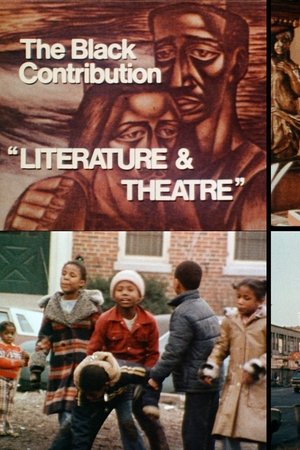
The Black Contribution: Literature and Theatre
The Black Contribution – Literature and Theater 1978 is a rare documentary highlighting the voices and cultural impact of African American writers and performers during the civil rights era. Introduced by NAACP leader Benjamin Hooks and narrated by Roscoe Lee Brown, the film weaves together dramatic readings, theatrical excerpts, and candid urban street footage. Margaret Walker’s poem For My People is performed alongside scenes of daily Black life in New York City — children playing, families on stoops, open fire hydrants, and the realities of poverty in 1970s neighborhoods. James Baldwin appears in interview footage, while signs for his play The Amen Corner and stage excerpts from Lorraine Hansberry’s A Raisin in the Sun underscore the powerful presence of Black voices in American theater. With rare shots of Harlem life, literature, and performance, this film documents the enduring contributions of African American artists to U.S. culture and history.
1978
Paul Robeson Documentary
A story to honor actor-singer-activist Paul Robeson and his contributions to today's social climate and inspire new generations to engage in the ongoing fight for justice and equality.
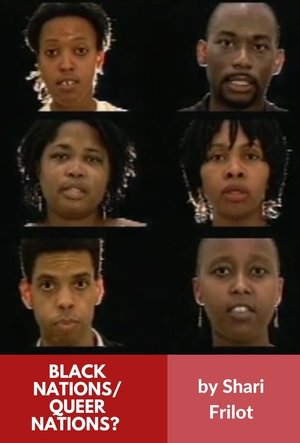
Black Nations/Queer Nations?
This is an experimental documentary chronicling the March 1995 groundbreaking conference on lesbian and gay sexualities in the African diaspora. The conference brought together an array of dynamic scholars, activists and cultural workers including Essex Hemphill, Kobena Mercer, Barbara Smith, Urvashi Vaid and Jacqui Alexander to interrogate the economic, political and social situations of diasporic lesbians, gay men, bisexual and transgendered peoples. The video brings together the highlights of the conference and draws connections between popular culture and contemporary black gay media production. The participants discuss various topics: Black and queer identity, the shortcomings of Black nationalism, and homophobia in Black communities. Drawing upon works such as Isaac Julien's "The Attendant" and Jocelyn Taylor's "Bodily Functions", this documentary illuminates the importance of this historic conference for Black lesbians and gays.
1995
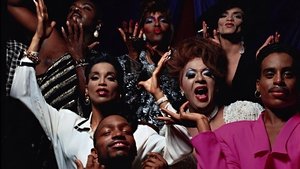
Paris Is Burning
Where does voguing come from, and what, exactly, is throwing shade? This landmark documentary provides a vibrant snapshot of the 1980s through the eyes of New York City's African American and Latinx Harlem drag-ball scene. Made over seven years, PARIS IS BURNING offers an intimate portrait of rival fashion "houses," from fierce contests for trophies to house mothers offering sustenance in a world rampant with homophobia, transphobia, racism, AIDS, and poverty. Featuring legendary voguers, drag queens, and trans women — including Willi Ninja, Pepper LaBeija, Dorian Corey, and Venus Xtravaganza.
1991