Watch Bismuna - Ein Abenteuerfilm (1999) Online Free
In the mid-1990s, Dieter Dubbert accidentally ends up with the Miskito Indians in Bismuna, Nicaragua. Here he begins to work with drug-addicted and delinquent young people from Germany who would otherwise disappear into homes and prisons.
Cast
Dieter Dubbert
More Like This
Dual Citizens
Three Nicaraguan-American artists from the Washington D.C. Metro area discuss growing up in two cultures and how it influences their art.
2024
The Typewriter and Other Headaches
This third opus will take us into the homes of some of the Adamant and Averroes & Rosa Parks’ protagonists, during the visits led by their caregivers.
2024
Ein Traum von Revolution
When the revolution in Nicaragua won its victory nearly 40 years ago, the world began to dream. A young generation was taking the reins in a country of grand utopias. From West Germany alone, 15,000 “brigadists” travelled to help rebuild the war-torn country: liberals, greens, unionists, social democrats, leftists and church representatives harvested coffee and cotton, built schools, kindergartens and hospital wards. No movement has mobilised so many people. What became of the hopes and dreams of the revolutionaries and their supporters?
2024
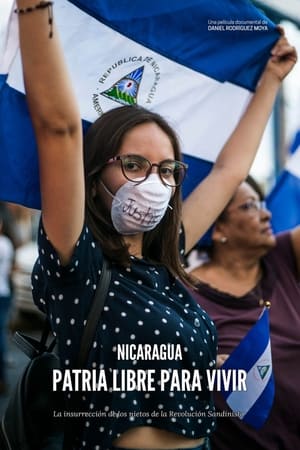
Nicaragua, una patria libre para vivir (la insurrección de los nietos de la revolución sandinista)
2021
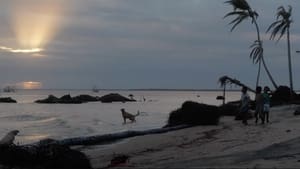
Haulover, Baiki Sakan
Halouver is a small community in the Northern Caribbean of Nicaragua. In November of 2020, two hurricanes divided the village in two and destroyed its infrastructure. Now, its villagers must decide between coming back and rebuilding their homes from the rubbles in spite of the risks that conveys or starting their lives somewhere else, leaving behind their lives in front of the sea. This documentary was made by Hora Cero.
2021

Always Forward
Plastic artist Aparicio Arthola talks with his student about the catarsis in his creative process, the loss, death and uncertainty of art life in Nicaragua
2021
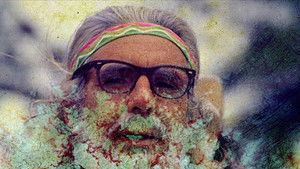
Solentiname
Solentime (2020), directed by Carlos Henríquez Consalvi and Camilo Henríquez, revisits the memory of poet-priest Ernesto Cardenal and the Christian community he founded in the Solentiname archipelago, where art, faith, and revolutionary consciousness converged. The film reconstructs a failed 1973 documentary project, when a young Consalvi traveled from Venezuela to film Cardenal with a 16mm Bolex, only to discover the footage was ruined. Nearly five decades later, during the COVID-19 lockdown and after Cardenal’s death, father and son assemble photographs, archival images, and sound to evoke that encounter and the fragile persistence of memory, turning loss, decay, and time into the material of the film itself.
2020

El origen de las utopías
A double story of music and companion; this documentary portraits two different and itinerant social bands.
2019
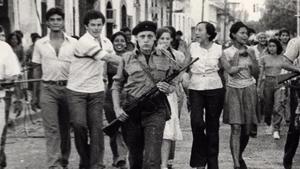
¡Las Sandinistas!
¡Las Sandinistas! uncovers the disappearing stories of women who shattered barriers to lead combat and social reform during Nicaragua’s 1979 Sandinista Revolution, and who continue to lead Nicaragua’s current struggle for democracy and equality.
2018

Memoria del fuego
A short documentary, inspired by Eduardo Galeano: a short trip in rhythms, sounds and atmospheres in a cuban cigar factory in Estelí, Nicaragua.
2018
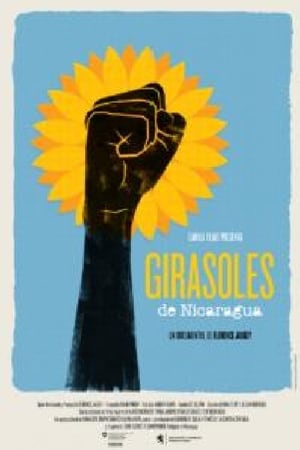
Sunflowers of Nicaragua
Sixteen female sex workers have been named judicial aides by Nicaragua’s Supreme Court to facilitate the resolution of conflicts that come up in their work. It is the first time in the world that sex workers have had access to this function. The film accompanies some of these women in their mediation work and in the actions they promote through their association, Girasoles (Sunflowers) of Nicaragua, to gain recognition and regulations for autonomous sex work.
2017
A Quiet Inquisition
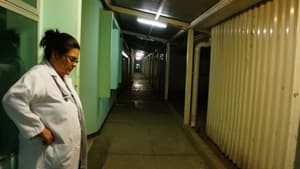
At a public hospital in Nicaragua, Ob/Gyn Dr. Carla Cerrato must choose between following a law that bans all abortions and endangers her patients or taking a risk and providing the care that she knows can save a woman's life. In 2007, Dr. Cerrato’s daily routine took a detour. The newly elected government of Daniel Ortega, a former Marxist revolutionary who converted to Catholicism to win votes, overturned a 130-year-old law protecting therapeutic abortion. The new law entirely prohibits abortion, even in cases of rape, incest, or when a woman’s life is at stake. As Carla and her colleagues navigate this dangerous dilemma, the impact of this law emerges—illuminating the tangible reality of prohibition against the backdrop of a political, religious, and historically complex national identity. The emotional core of the story—the experiences and situations of the young women and girls who are seeking care—illustrate the ethical implications of one doctor's response.
2014

Big Boys Gone Bananas!*
The conflict between Dole Food Company and Swedish filmmaker Fredrik Gertten unfolds dramatically in the documentary "BIG BOYS GONE BANANAS!" as the corporation attempts to suppress Gertten's earlier film, "BANANAS!"—chronicling Nicaraguan workers' lawsuit against Dole. Initially selected for the 2009 Los Angeles Film Festival, "BANANAS!" was abruptly removed from competition, followed by a negative article in the Los Angeles Business Journal and legal threats from Dole's attorneys. Gertten captures this saga of corporate intimidation, media manipulation, and legal challenges in his documentary, showcasing the struggles documentary filmmakers face and highlighting the threat to freedom of speech posed by powerful corporations protecting their reputations.
2011
The Interrupters
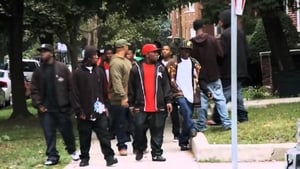
The Interrupters tells the moving and surprising stories of three Violence Interrupters — former gang members who try to protect their Chicago communities from the violence they once caused.
2011
Bananas!*
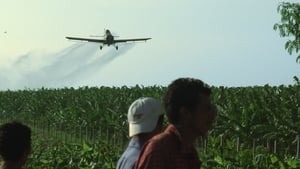
Juan “Accidentes” Dominguez is on his biggest case ever. On behalf of twelve Nicaraguan banana workers he is tackling Dole Food in a ground-breaking legal battle for their use of a banned pesticide that was known by the company to cause sterility. Can he beat the giant, or will the corporation get away with it?
2009

Harvest of Peace
Portrait of a group of 150 U.S. citizens who spent two weeks participating in the cotton harvest in a remote village in Nicaragua, seeing for themselves the impact of the U.S.-backed Contra war.
1985
¡Aquí hay coraje!
The Nicaraguan revolutionaries, determined to overthrow the bloody dictatorship of Anastasio Somoza, enjoyed the semi-clandestine support of the Panamanian government and popular organizations from 1974 onward. Following the Sandinista Front's victory, which toppled a dynasty that had ruled for over 45 years, General Omar Torrijos visited that sister nation to strengthen ties between the two peoples.
1982
Soldat for frelseren
1982

Monimbo Is Nicaragua
A documentary about Monimbo, a town in Nicaragua.
1981
80 Blocks from Tiffany's
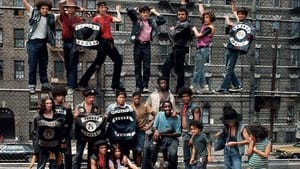
This 1979 documentary depicts the daily life of gangs in the South Bronx. It deals primarily with two African American and Puerto Rican gangs known as the "Savage Skulls" and the "Savage Nomads".
1980