Watch Before We Go (2014) Online Free
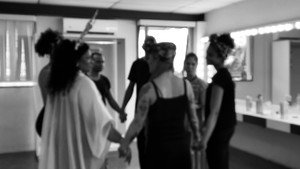
Brussels, La Monnaie Opera House. Three people near the end of their lives meet with choreographers, actors and musicians. They take part in a unique experience which involves music, dance and silence. Their journey becomes a tribute to the fragility of the human condition, between reality and representation, tragedy of the body and freedom of the spirit. Together they question their own relationship with death.
Cast
Simone Aughterlony, Walter Hus, Benoît Lachambre, Noël Minéo, Lidia Schoue, Meg Stuart, Michel Vassart, Alex Verster, Thomas Wodianka
More Like This
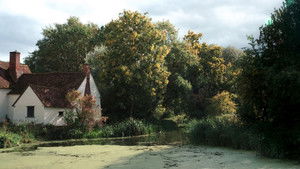
Turner & Constable
Celebrating the 250th anniversary of their births, this unmissable new documentary explores Turner and Constable’s intertwined lives and legacies alongside the groundbreaking Tate exhibition. Two of Britain’s greatest painters, J.M.W. Turner and John Constable were also the greatest of rivals. Born within a year of each other, both used landscape painting to reflect the changing world around them. Tate Britain is bringing these two greats together for a groundbreaking exhibition, in London from November 2025 to April 2026, and Exhibition on Screen once again has exclusive and privileged access to bring their extraordinary art and remarkable stories to the big screen in February so that you can enjoy both film and exhibition together. Discover unexpected sides to both artists with intimate views of sketchbooks and personal items and insights from leading experts.
2026
CODA
An intimate portrait of Victoria Chorale — a Singaporean, alumni community choir led by Nelson Kwei, as he prepares them for a return to the international competition stage in Tokyo for the first time in 18 years. And possibly also their last ever. CODA is an observation of the relationship between the music and its Singaporean makers.
2025
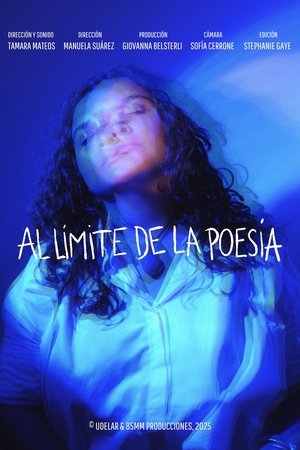
Al Límite de la Poesía
Valentina seeks refuge from the incessant waves of her mind in the pages of her upcoming poetry book Lapislazuli, trying to keep her life from slipping away like sand through her fingers. With words from her poem Citrino, we journey through a range of emotions and feel the ups and downs of her Borderline Personality Disorder.
2025
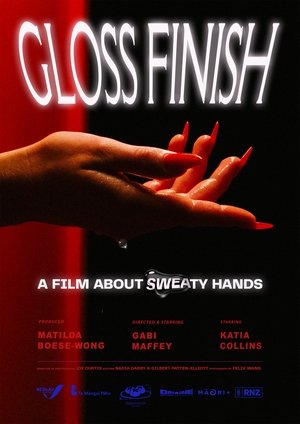
Gloss Finish
2025
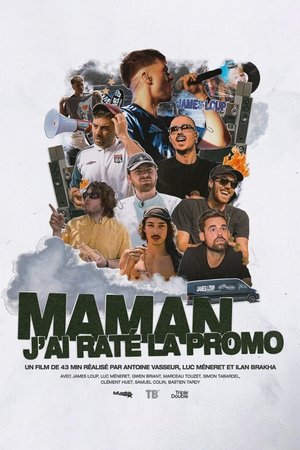
MAMAN J'AI RATÉ LA PROMO - James Loup
2025

Una vez iniciado el fuego
Documentary on the recording of the Album Una vez iniciado el fuego by Sakatumba
2024
Now and Then - The Last Beatles Song
The story of The Beatles' last song featuring exclusive footage and commentary.
2023
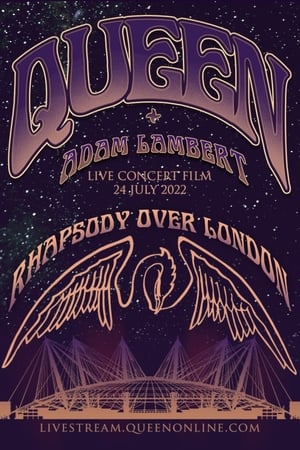
Rhapsody Over London
Experience the energy from one of Queen + Adam Lambert's TEN sold out 2022 concerts at London’s O2 Arena in a live concert film delivered digitally to your home. The band will also be participating in a LIVE Q&A where they will answer fan-submitted questions from backstage at one of the final Rhapsody Tour concerts to introduce the show.
2022
Human with three legs
Two bored mans talking about an interesting topic while everyone is condolences for a family who mourns the death of a loved one.
2022

Expressa
2022
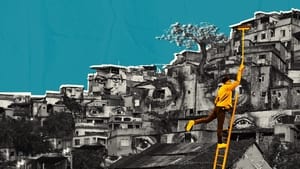
Paper & Glue
A documentary following JR's artwork giving a global voice to everyday people.
2021
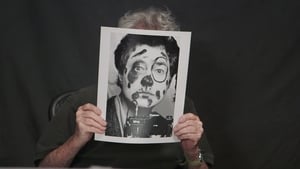
Elliott Erwitt - Silence Sounds Good
Elliott Erwitt has spent his entire adult life taking photographs, of presidents, popes and movie stars, as well as regular people and their pets. His work is iconic in world culture while his life is largely unknown.
2019
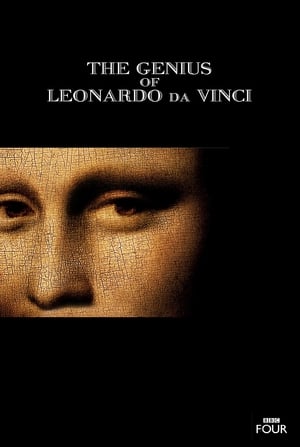
The Genius of Leonardo Da Vinci
Janina Ramirez explores the BBC archives to create a TV history of Leonardo Da Vinci, discovering what lies beneath the Mona Lisa and even how he acquired his anatomical knowledge.
2018
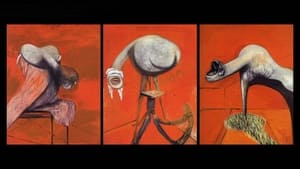
Francis Bacon: A Brush with Violence
In this unique, compelling film, those who knew him speak freely, some for the first time, to reveal the many mysteries of Francis Bacon.
2017
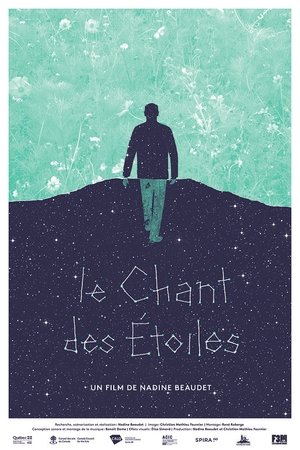
Le chant des étoiles
2016
Zóbel: Un tema
Short documentary showcasing the process and philosophy of Spanish-Filipino painter Fernando Zóbel.
1974
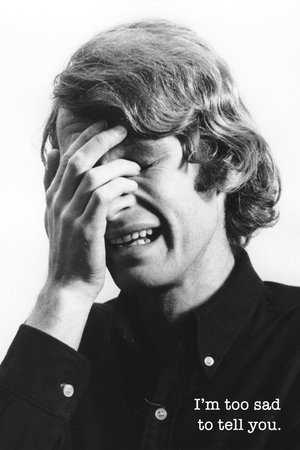
I'm Too Sad to Tell You
This short film is part of a mixed media artwork of the same name, which also included postcards of Ader crying, sent to friends of his, with the title of the work as a caption. The film was initially ten minutes long, and included Ader rubbing his eyes to produce the tears, but was cut down to three and a half minutes. This shorter version captures Ader at his most anguished. His face is framed closely. There is no introduction or conclusion, no reason given and no relief from the anguish that is presented.
1971
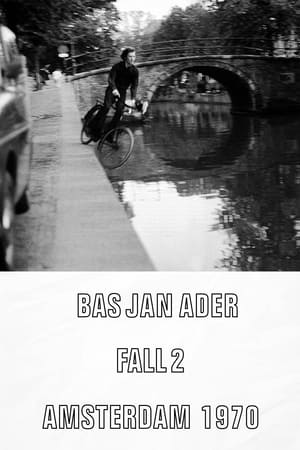
Fall 2
Bas Jan Ader rides his bike into a canal in Amsterdam.
1970
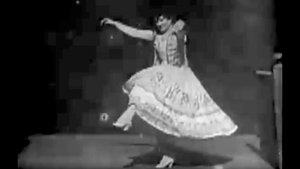
Carmencita
The first woman to appear in front of an Edison motion picture camera and possibly the first woman to appear in a motion picture within the United States. In the film, Carmencita is recorded going through a routine she had been performing at Koster & Bial's in New York since February 1890.
1894
Osasco Encena
"Osasco Encena" is a pocket documentary that offers a new perspective on the Glória Giglio Municipal Theater.