Watch Baptismo de Terra (2016) Online Free
More Like This
Il n'y aura jamais assez d'images
2026

É Pra Mudar, Muleke - Uma Vida no DEGASE
2025
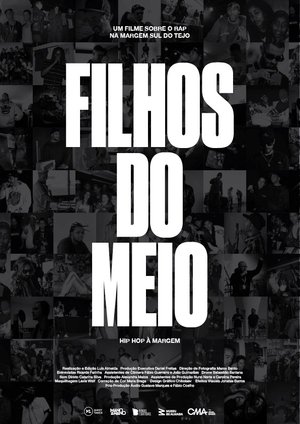
Filhos do Meio – South Side Hip Hop Stories
This film tells the story of rap music in Almada and Miratejo, one of the first major spots of this musical genre in Portugal. Guided by the protagonists who built and lived the movement intensively, we travel through their memories, stories, and inspirations to discover the great landmarks of this culture on the south banks of the Tagus River — built in a territory of demanding and politized working classes, with great cultural diversity in the post-Carnation Revolution.
2025

Tradição e Herança Ancestral - A história dos Mestres de Folias de Reis de Nova Iguaçu
2024
Basin of Souls
Rua de Santa Catarina, a street that was formerly home to dozens of local businesses and hundreds of Porto residents, now sees a crowd of tourists attracted by the cheap, disposable amenities that are popping up everywhere at once. Gentrification has decontextualized Portuguese culture, rendering the landscape uncanny. The Basin Woman, a symbol of the female workers of the historic Bolhão Market, is chased down by seagulls in the midst of this transcendent chaos.
2024
Empatia por Ulises
2023

Sepetiba | Um Mar de Lembranças
2022

de Luz
Filmed during lockdown 2020, ‘de Luz/Of Light’ explores fleeting perceptions and cyclic rituals of Portuguese coastal landscapes, specifically surrounding the Cabo Sardão Lighthouse in Beja, and constructs a complex audio-visual narrative through collaging together various natural rhythms (such as the sun and motion of the sea). This film is intended for screening with a 16:27 aspect ratio. The soundtrack was composed by sound artist Michelle Lewis-King.
2022
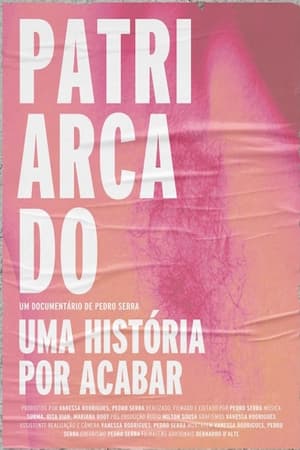
Patriarcado, Uma História Por Acabar
A documentary that brings together interviews with 20 activists who address the issue of intersectional feminism and patriarchy in Portugal.
2022

Body-Buildings
2021
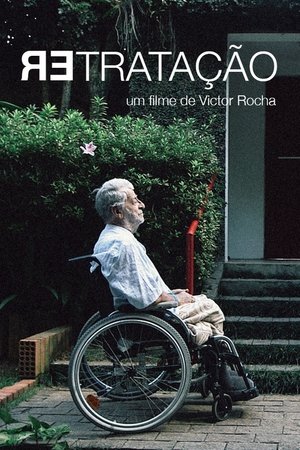
Retratação
Fernando Lemos, a Portuguese surrealist artist, fled from dictatorship to Brazil in 1952 searching for something better. The movie follows the last moments of his journey and the struggle for the preservation of his legacy, trying to fulfill his last great desire: to be a good dead man.
2019

10 de julho
A date that will remain in Portuguese football history forever – July 10, 2016, the day Portugal became European champions.
2017
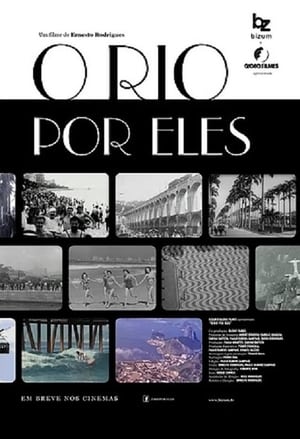
Rio by Them
An unprecedented collection of pictures, characters and historical facts about the city of Rio de Janeiro, rescued by tv networks, documentary filmmakers and foreign journalists over the course of the 20th Century. The film reveals how Rio, its inhabitants and its cultural and natural attributes have been seen by foreigners. This is an opportunity to relive, through the eyes of a foreigner, social, political, technological and mundane events which Brazilians either did not manage to document audiovisually or whose works were lost.
2017
Rap de Saia
Rap de Saia is a documentary that reports, through the voices and rhymes of the protagonists themselves, part of the historical trajectory of Female Rap in the State of Rio de Janeiro. In addition to its historical trajectory, Rap de Saia brings a collection of themes that leads us to reflect on women in today's society.
2004
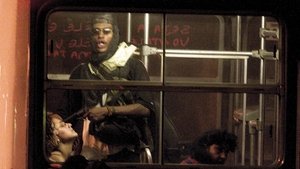
Bus 174
Documentary depicts what happened in Rio de Janeiro on June 12th 2000, when bus 174 was taken by an armed young man, threatening to shoot all the passengers. Transmitted live on all Brazilian TV networks, this shocking and tragic-ending event became one of violence's most shocking portraits, and one of the scariest examples of police incompetence and abuse in recent years.
2002

Fenda
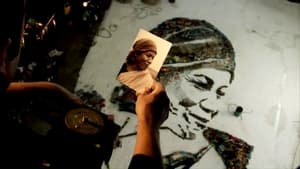
Waste Land
An uplifting feature documentary highlighting the transformative power of art and the beauty of the human spirit. Top-selling contemporary artist Vik Muniz takes us on an emotional journey from Jardim Gramacho, the world's largest landfill on the outskirts of Rio de Janeiro, to the heights of international art stardom. Vik collaborates with the brilliant catadores, pickers of recyclable materials, true Shakespearean characters who live and work in the garbage quoting Machiavelli and showing us how to recycle ourselves.
2010
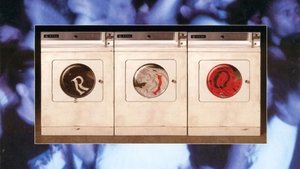
Rush in Rio
Legendary rock band Rush plays the Maracana Stadium in Rio de Janeiro, Brazil, on the final night of the band's 2002 Vapor Trails tour, in front of 40,000 fans.
2003
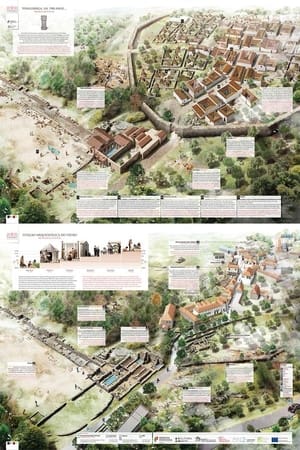
Tongóbriga (El espíritu de un lugar)

Oswaldo Cruz
The film documents the old Rio de Janeiro and its great focus of diseases. Stresses the decisive importance of Oswaldo Cruz who creates Experimental Medicine in Brazil, believing that without sanitation, no undertaking could succeed. Rodrigues Alves then started the urbanization of Rio, against great interests.
1973