Watch Fenda Online Free
More Like This
Tu lembra?
2025
É Pra Mudar, Muleke - Uma Vida no DEGASE
2025
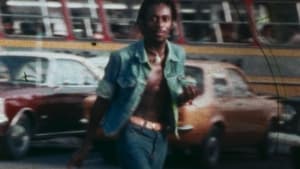
Luiz Melodia - Within the Heart of Brazil
A sound and visual journey that portrays the life and work of singer and composer Luiz Melodia. The Poet of Estácio himself tells us, in the first person, his trajectory as a black boy born on the hill until his transformation into one of the greatest artists in the history of MPB. The film also features an unpublished collection made available by Jane Reis, his wife and businesswoman.
2025

Tradição e Herança Ancestral - A história dos Mestres de Folias de Reis de Nova Iguaçu
2024

Lua
Joseph Wilson meets the dance teacher fighting transphobic violence through voguing in Rio’s favelas.
2024
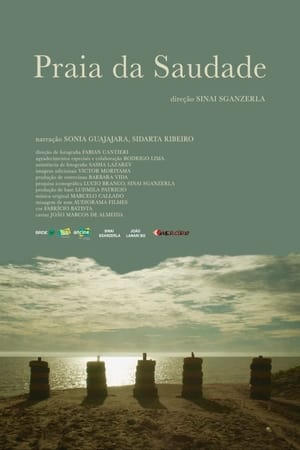
Praia da Saudade
A documentary about climate change in Brazil, especially at Atafona Beach (in the Campos de Goytacazes region), which is being swallowed up by the sea. Narrated by Sonia Guajajara and Sidarta Ribeiro, the film deals with the genocide of the native people of Goytacazes.
2024

Sepetiba | Um Mar de Lembranças
2022

The pink indian against the invisible beast: Noel Nutels' battle
Public health physician Noel Nutels' ideas and the footage he made of Brazilian indigenous peoples between 1940 and 1970 come together to denounce the historic massacre against native communities.
2020
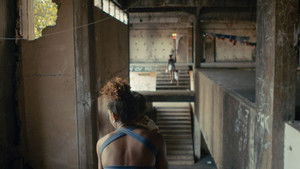
The Other Rio
The spectacle of the 2016 Olympic Games in Rio de Janeiro is grimly contrasted with the poverty of those living mere blocks away from where much of the televised action is broadcast.
2018
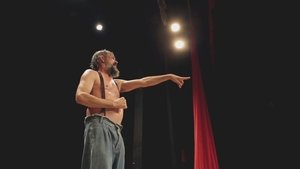
How Do You See Me?
How Do You See Me? is a Brazilian documentary feature that entwines both experienced actors and beginners to explore the hardships and the happiness that are inherent to the job when detached from the glam and glitz of the gossip industry, creating a diverse and comprehensive mosaic of what it means to be an actor in Brazil, a country so full of contradictions. The film brings forward a reality that the masses usually don't get to know: the men and women moved by a deep passion for acting and touching people. With Julio Adrião, Matheus Nachtergaele, José Celso Martinez, Cássia Kis, Nanda Costa, Babu Santana, Luciano Vidigal and Letícia Sabatella, among others.
2017
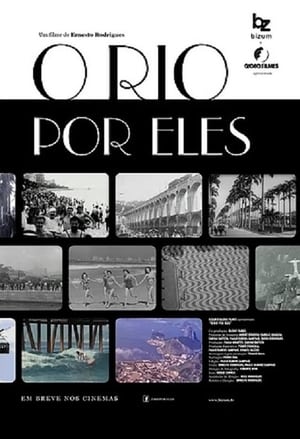
Rio by Them
An unprecedented collection of pictures, characters and historical facts about the city of Rio de Janeiro, rescued by tv networks, documentary filmmakers and foreign journalists over the course of the 20th Century. The film reveals how Rio, its inhabitants and its cultural and natural attributes have been seen by foreigners. This is an opportunity to relive, through the eyes of a foreigner, social, political, technological and mundane events which Brazilians either did not manage to document audiovisually or whose works were lost.
2017
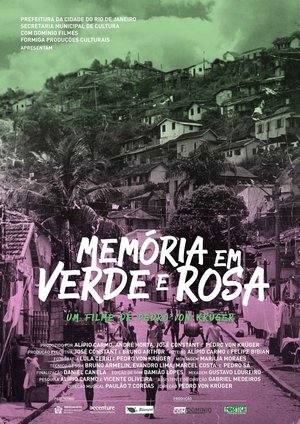
Memória em Verde e Rosa
The Mangueira slum is the scenario where Tantinho and the old samba composers remember stories about the slums and samba.
2016
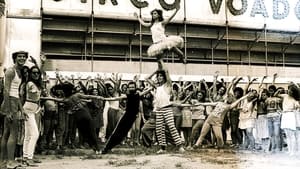
A Farra do Circo
This documentary highlights the evolution of Brazil's Circo Voador venue from homespun artists' performance space to national cultural institution.
2013
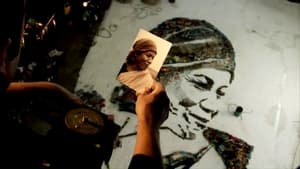
Waste Land
An uplifting feature documentary highlighting the transformative power of art and the beauty of the human spirit. Top-selling contemporary artist Vik Muniz takes us on an emotional journey from Jardim Gramacho, the world's largest landfill on the outskirts of Rio de Janeiro, to the heights of international art stardom. Vik collaborates with the brilliant catadores, pickers of recyclable materials, true Shakespearean characters who live and work in the garbage quoting Machiavelli and showing us how to recycle ourselves.
2010
Rap de Saia
Rap de Saia is a documentary that reports, through the voices and rhymes of the protagonists themselves, part of the historical trajectory of Female Rap in the State of Rio de Janeiro. In addition to its historical trajectory, Rap de Saia brings a collection of themes that leads us to reflect on women in today's society.
2004
Rush in Rio
Legendary rock band Rush plays the Maracana Stadium in Rio de Janeiro, Brazil, on the final night of the band's 2002 Vapor Trails tour, in front of 40,000 fans.
2003
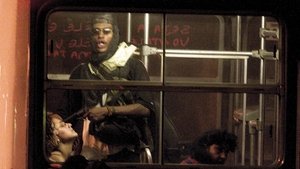
Bus 174
Documentary depicts what happened in Rio de Janeiro on June 12th 2000, when bus 174 was taken by an armed young man, threatening to shoot all the passengers. Transmitted live on all Brazilian TV networks, this shocking and tragic-ending event became one of violence's most shocking portraits, and one of the scariest examples of police incompetence and abuse in recent years.
2002

Oswaldo Cruz
The film documents the old Rio de Janeiro and its great focus of diseases. Stresses the decisive importance of Oswaldo Cruz who creates Experimental Medicine in Brazil, believing that without sanitation, no undertaking could succeed. Rodrigues Alves then started the urbanization of Rio, against great interests.
1973
O Que Acontece Por Trás Das Câmeras
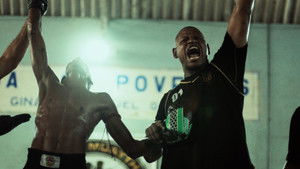
Who Trains My Hands to War
Founding a social Muay Thai project in the North Zone of Rio de Janeiro, Mestre BG and his competitors face the adversities of an underfunded project and fight to win their place on the podium. The challenges intensify when one of the students, Raíssa Pacheco, secures a spot to compete in a South American championship in Uruguay.